Seat Fillers Are There to Blend In
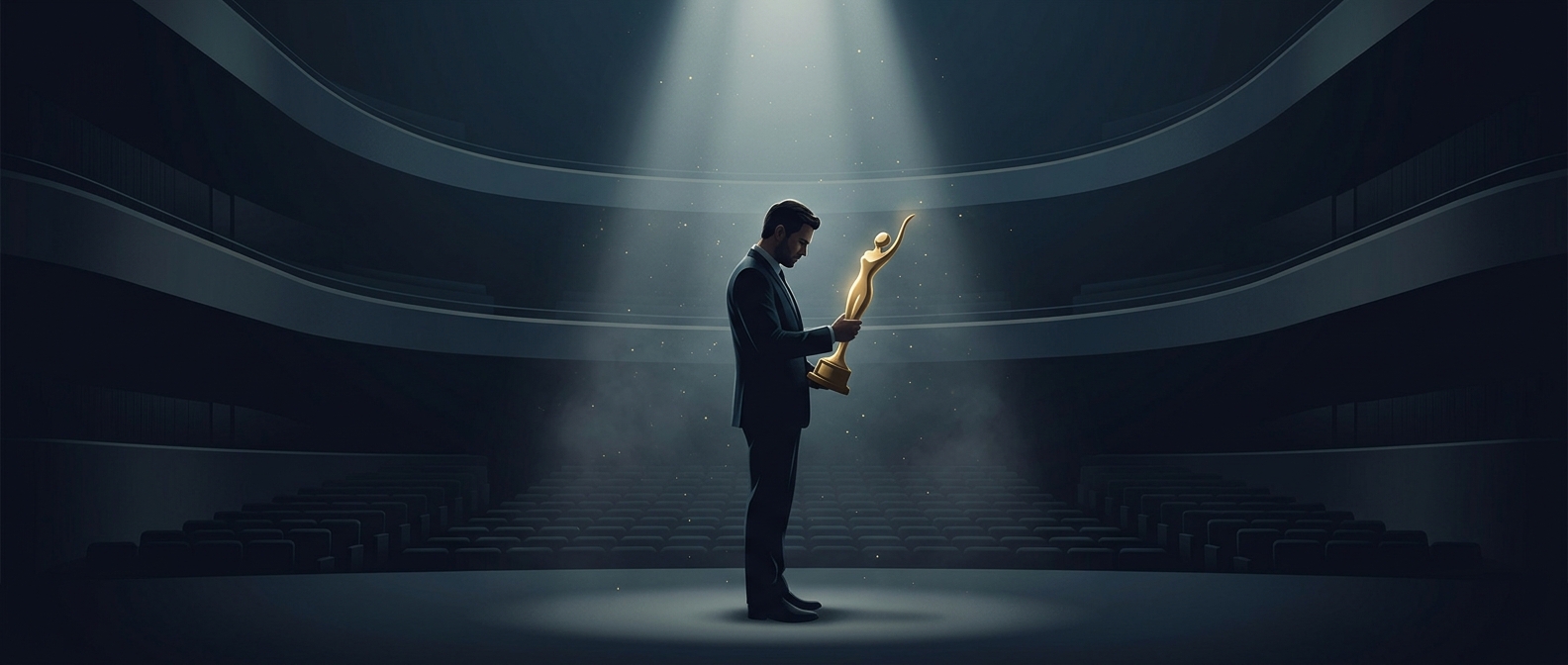
At the Oscars, people hired to occupy empty seats are not guests with a chance to mingle. Their job is to keep the audience looking full on camera. A seat filler may be moved whenever the person whose seat it is returns, so the assignment calls for quick, unobtrusive cooperation.
That is why the key rule is strict: seat fillers must not treat proximity to celebrities as an invitation to approach them. Asking for an autograph or a photo would draw attention away from the ceremony and interfere with the event’s carefully managed seating. The filler is there to appear as part of the audience, not to create a moment of their own.
A Small Rule With a Visible Purpose
Award-show cameras frame the room as well as the stage. An empty chair in a shot can make a packed ceremony look oddly sparse; a person slipping in and out at the right moment helps preserve the illusion of a continuous, full audience. Seat fillers therefore have to follow directions from event staff rather than choose where to sit or when to move.
The rule also protects the rhythm of a live broadcast. A brief interruption in the auditorium can become a distraction on television, where the audience sees only what the cameras capture. For seat fillers, the unusual part of being near famous people is that the job depends on acting as though that access is no big deal.