How a Snack Becomes a Story
A bag of chips is easy to photograph and instantly recognizable. But a picture can show only the visible moment: someone buying or carrying food. It cannot show why they chose it, how they feel, or what else is happening in their life. A headline can supply that missing meaning, turning an ordinary purchase into a supposed sign of distress.
The leap works because junk food already carries familiar cultural associations—with indulgence, comfort, and “letting go.” Put that image beside a celebrity’s name, and a mundane choice can be made to seem like evidence of a larger personal crisis. The interpretation comes from the framing, not from anything the snack can reliably reveal.
Why the Frame Sticks
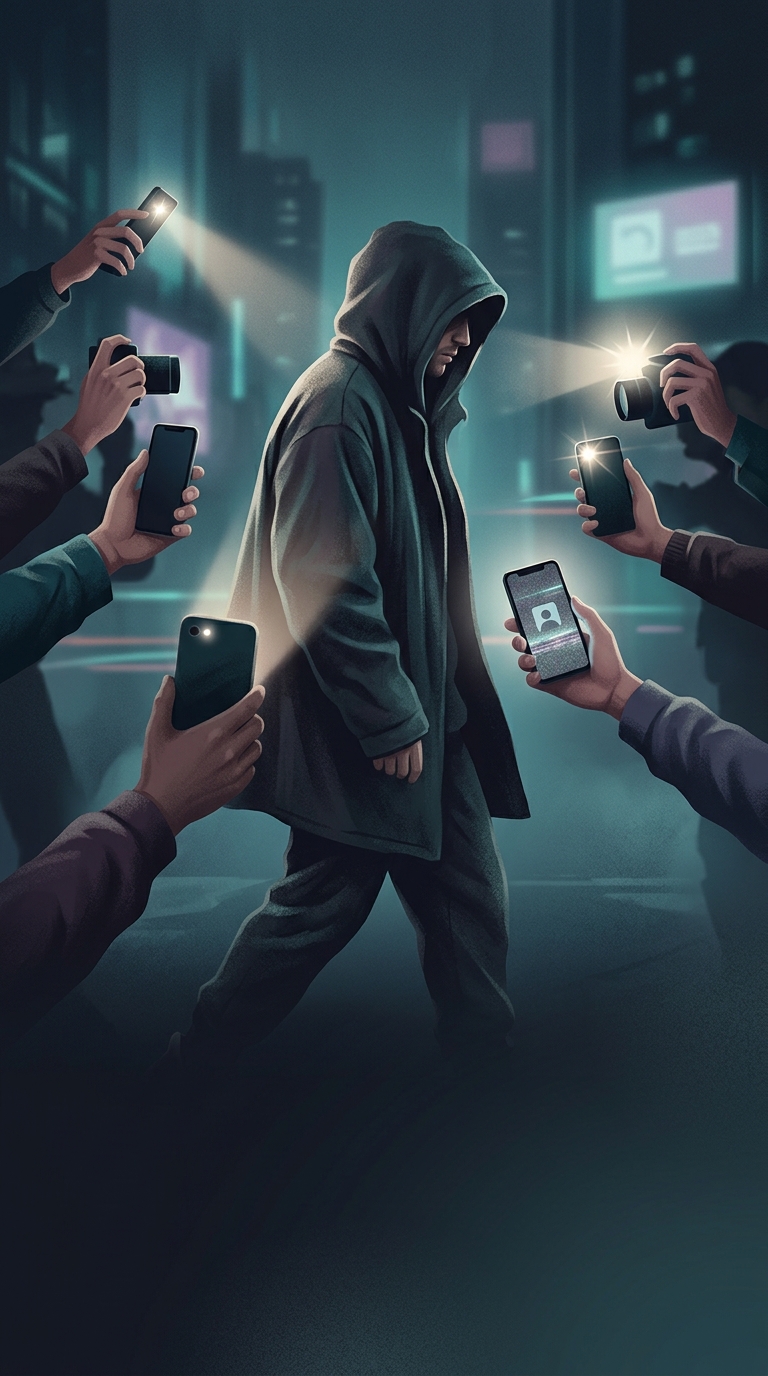
Celebrity coverage often invites audiences to read small details as clues. When a public figure is expected to look polished or seem in control, a candid image that breaks with that expectation can feel unusually revealing. The story then encourages readers to treat the moment as a glimpse behind the public image, even though the photograph offers little context.
There is also a built-in imbalance: a camera may capture one purchase, while the person’s reasons remain private. Repeated coverage can make isolated moments look like a pattern, and the same image can be recycled to support a narrative that was never established by the act itself.
That is why a snack can acquire the weight of a diagnosis in tabloid storytelling without actually proving one. The revealing evidence may be less about the celebrity than about how quickly a familiar image can be made to stand in for a hidden emotional life.