Why a Red Circle Can Make a Wrinkle Look Like a Clue
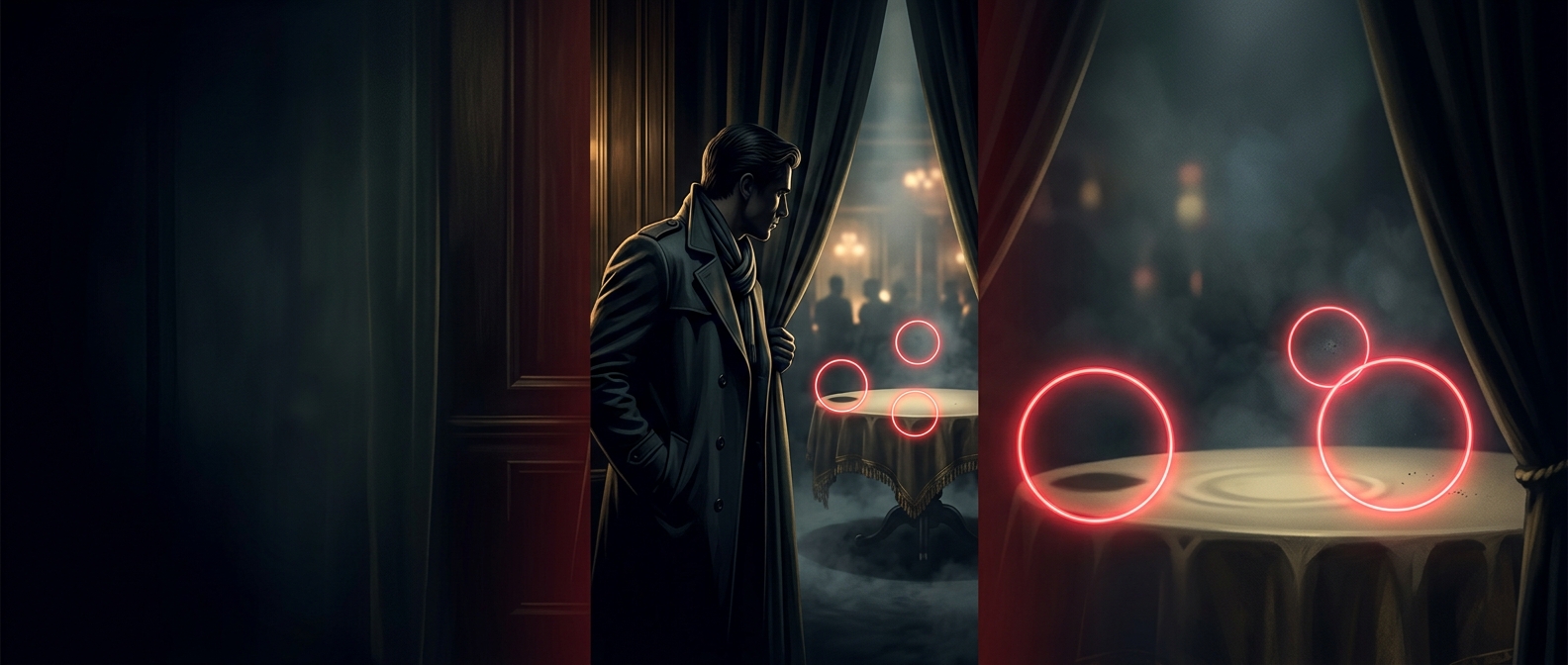
A red circle changes what viewers look for before they know what they are seeing. Its strong color and clear outline pull the eye toward one small patch of an image; once there, the viewer searches for a reason the detail was singled out. A fold in a sleeve can suddenly seem like a hidden object, a sign of distress, or a clue to a larger story—not because the pixels changed, but because the image now asks a question.
Attention Is Not Evidence
This is a simple form of visual framing: the way an image is presented shapes how people interpret it. The circle supplies emphasis, while the surrounding post often supplies suspense through a headline or teaser. Together, they encourage the viewer to assume that the marked area contains information worth decoding.
But emphasis only tells you where someone wants you to look. It does not establish that the detail is unusual, meaningful, or connected to the claim being made. In fact, ordinary images contain countless wrinkles, shadows, and awkward expressions; isolating one gives it a prominence it would not have on its own.
The Small Pause That Breaks the Spell
A useful check is to look at the marked detail without the circle, then ask what visible evidence remains. Is there something specific to identify, or does the feature become unremarkable once the added cue is removed? That pause separates the image’s actual content from the importance its presentation suggests.
The trick works because the viewer does part of the storytelling: the mark promises a secret, and the mind tries to supply one. Sometimes the most revealing thing in the picture is not the circled detail, but how little it takes to make us search for meaning.