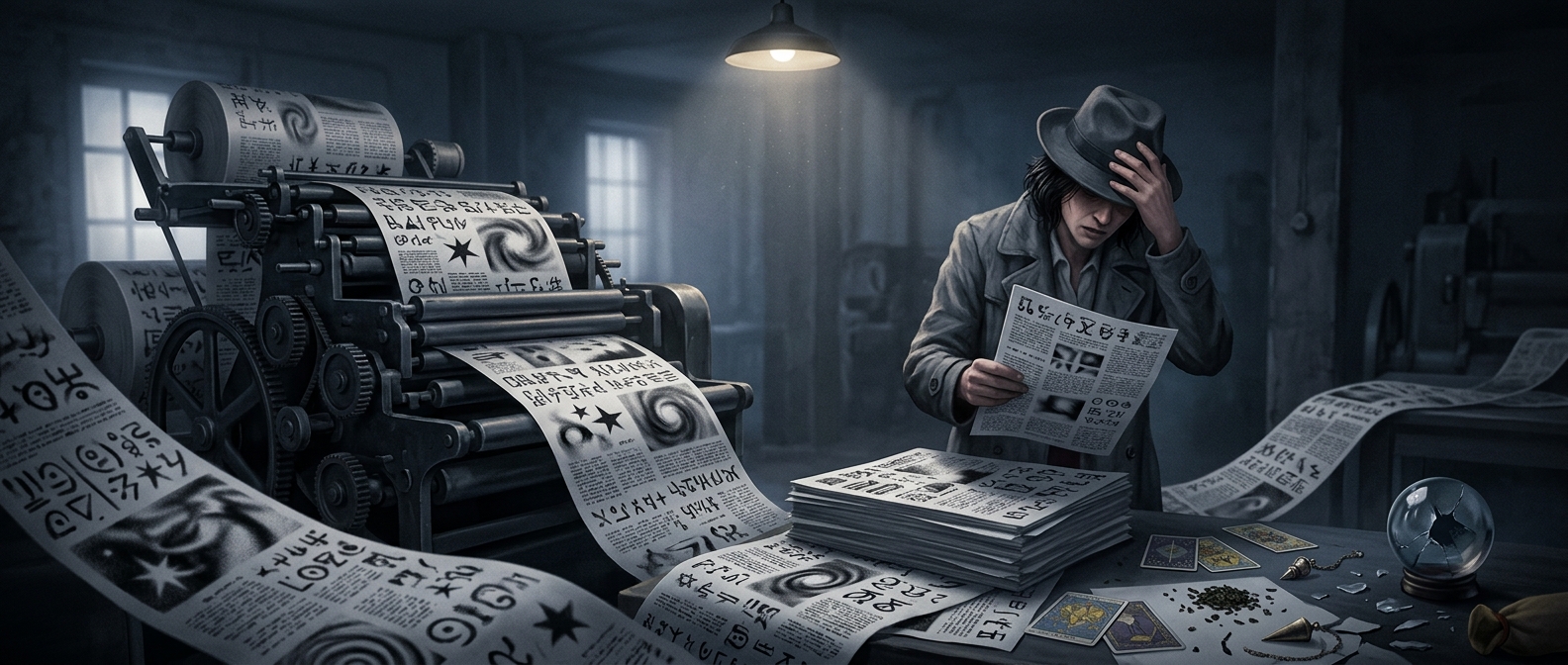
Why Psychic Predictions Make Easy Headlines
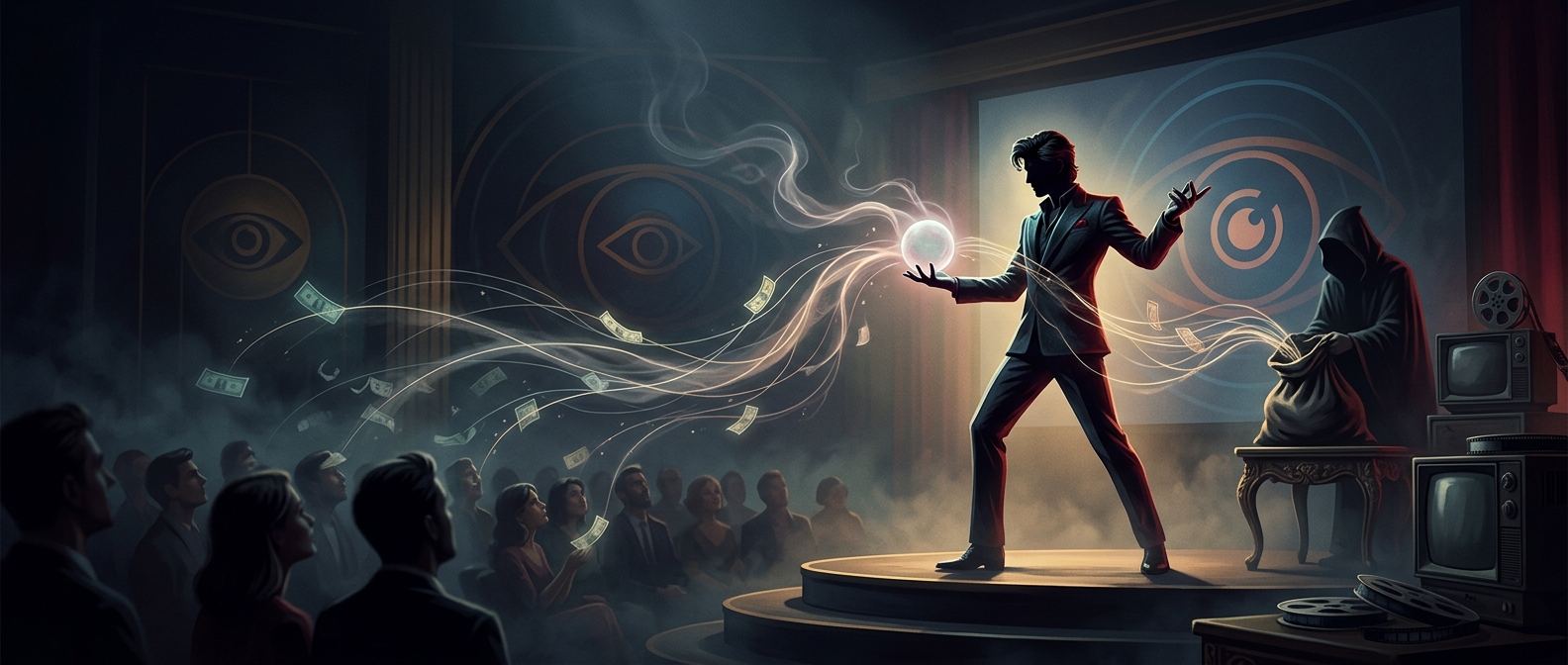
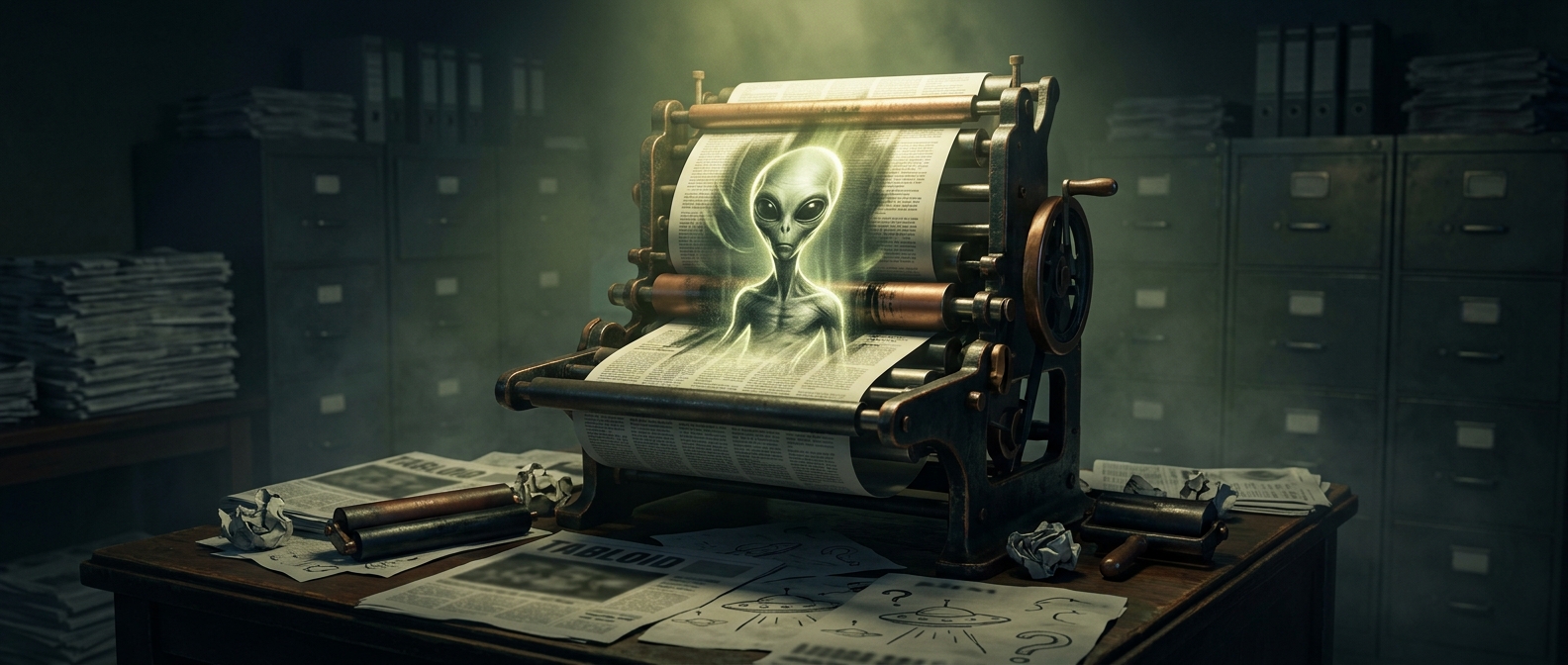
A prediction is most useful to a tabloid when it sounds dramatic now—not when it can be checked later. Forecasts about celebrity breakups, political upheaval, disasters, or sudden fame offer ready-made headlines because they pair a familiar name with an uncertain future. Their vagueness can also make them feel plausible: a forecast of “major changes” may seem to fit many outcomes once the year has passed.
The Missing Step: Checking the Record
A forecast becomes testable only when it is specific enough to compare with what happened. “A famous couple will face trouble” leaves room for interpretation; naming the couple, the event, and a time frame makes the claim harder to reinterpret. Without that precision, readers may remember apparent hits while forgetting misses—a common feature of selective attention.
Annual prediction roundups often emphasize the new set of forecasts rather than systematically reviewing the previous year’s. That creates a one-way cycle: predictions receive attention before the outcome is known, but the outcome may never receive the same scrutiny. A failed forecast can disappear from view, while a broad or coincidental match can be presented as a success.
Why the Pattern Persists
The format has a built-in advantage for publishers. Predictions supply fresh material at a predictable point in the calendar, and readers can judge them for themselves without needing specialist knowledge. A careful audit, by contrast, takes space and requires clear criteria for deciding what counts as a hit.
The simplest way to evaluate a prediction list is to save it before the year begins, then check each claim against its wording—not against a looser version remembered afterward. If a forecast cannot be judged wrong, it cannot provide strong evidence that the forecaster saw the future.