A prediction built to be remembered
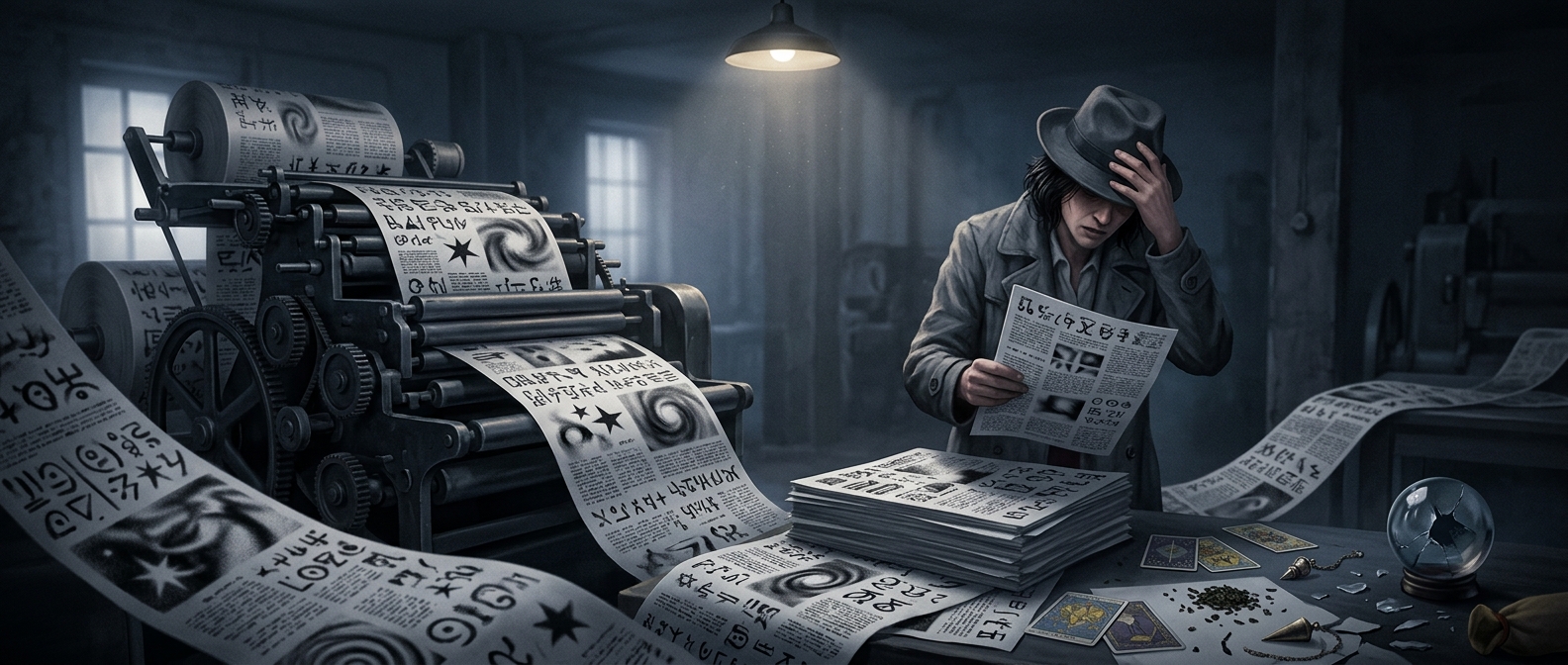
A forecast about invisible rays turning metal into rubber is less a usable warning than a miniature spectacle: it gives viewers an impossible image to picture and a claim they can repeat. Criswell’s performance depended on that vividness. Delivered with certainty, an extravagant prediction could hold attention even when its content offered little reason to believe it.
Television rewarded the performance
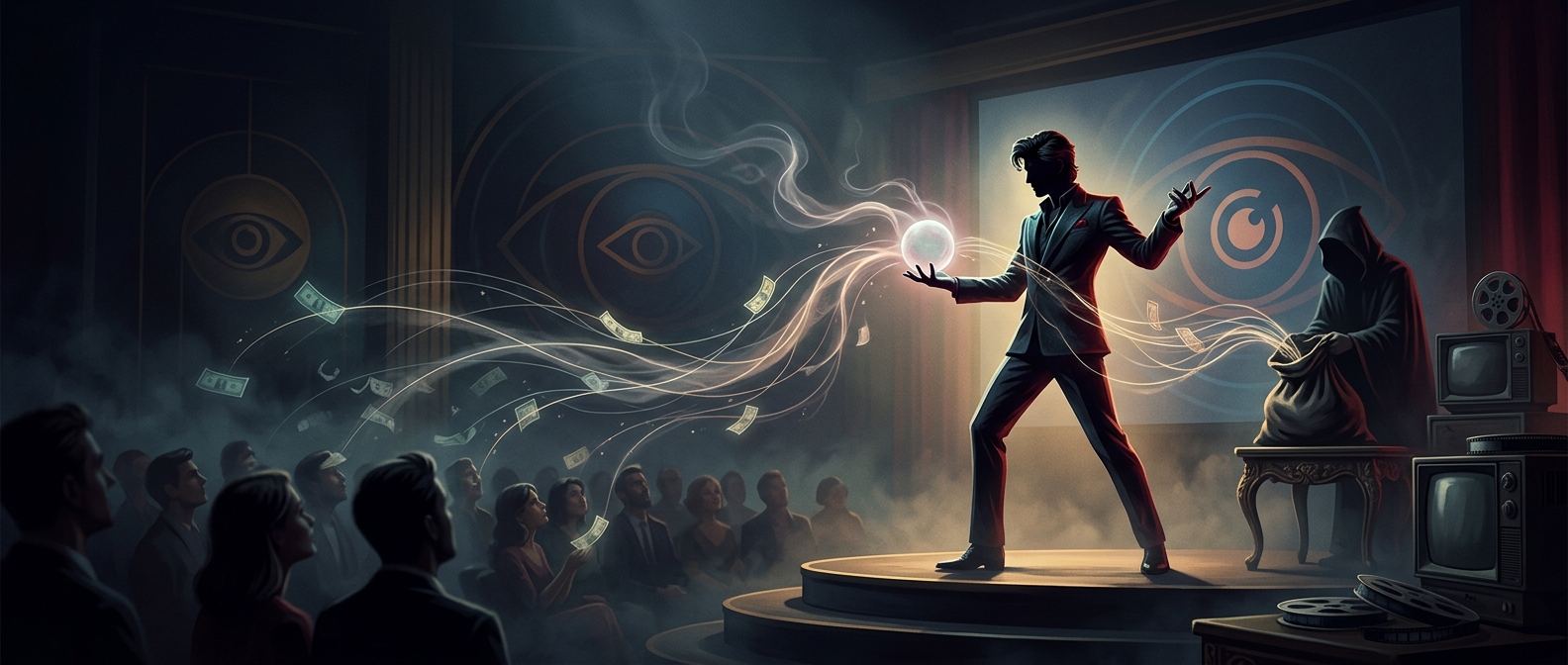
In late-night entertainment, a psychic’s appearance had to work in the moment. Viewers could respond to the confidence, drama, and sheer strangeness of a forecast without waiting to see whether it came true. That made showmanship a powerful substitute for demonstrated accuracy: the performance was immediate, while checking a prediction required time—and, in some cases, deciding what would count as fulfillment.
Criswell’s confident delivery helped make the predictions memorable, but it did not make them reliable. The gap is the point: on television, an astonishing claim could succeed as entertainment even when it failed as prophecy. A forecast about rubber-making space rays was worth remembering precisely because it sounded like a scene, not because viewers could use it to plan their lives.