Why a Rumpled Outfit Can Help During a Celebrity Crisis
A formal statement puts a celebrity’s words under a microscope. A paparazzi-style image can shift attention to something simpler: how the person appears in a difficult moment. Sweatpants and messy hair can suggest exhaustion, ordinary discomfort, or a desire to be left alone—qualities that may make someone seem less polished and more human than a carefully staged red-carpet appearance.
That impression is useful in public relations because people interpret images quickly, often before they read an explanation. A deliberately casual look can soften the sense of distance between a famous person and the audience, or make a public appearance feel unplanned rather than promotional. The clothes are not a defense of whatever caused the crisis; they help shape the emotional frame around it.
The “Candid” Look Still Has a Purpose
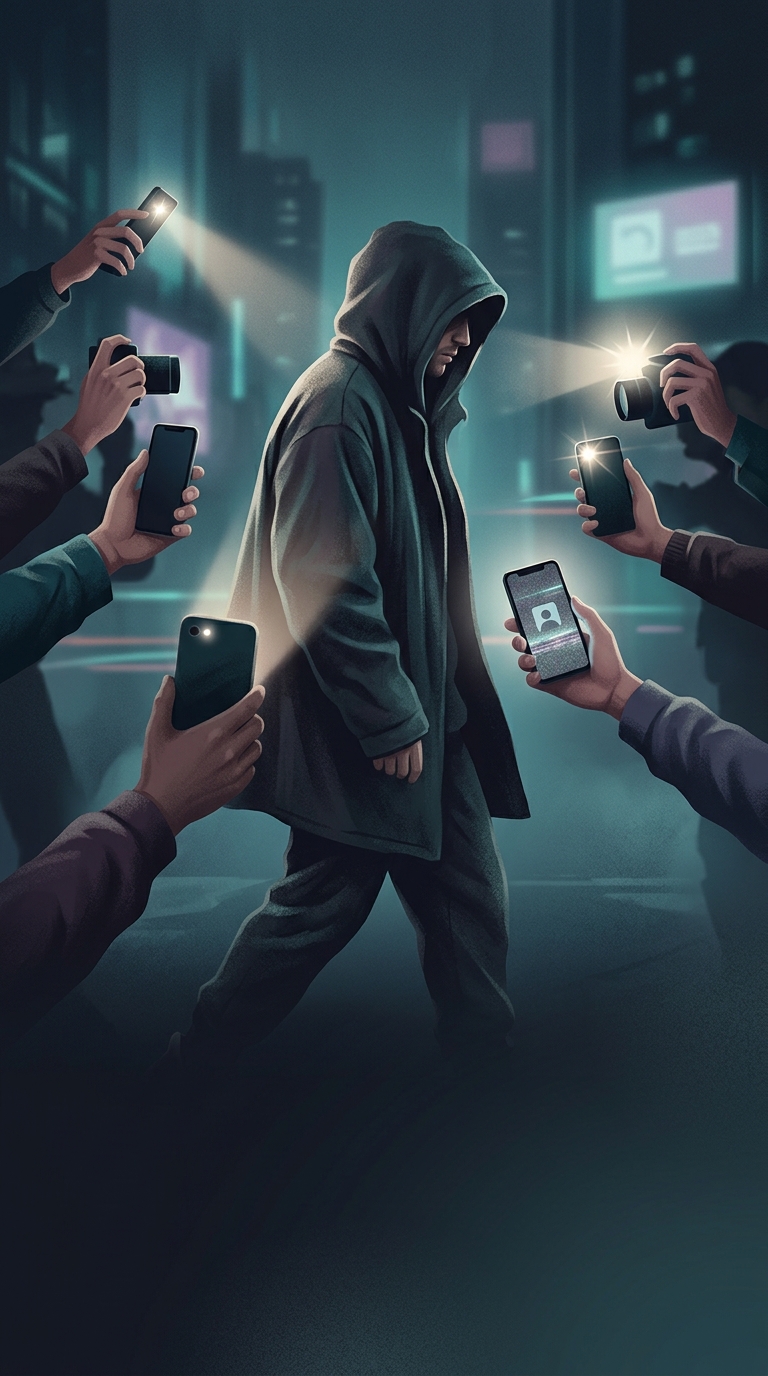
Paparazzi pictures are valuable partly because they appear to show life outside official publicity. A celebrity or their team may take advantage of that format by choosing an ordinary outfit for an outing where photographers are likely to be present. The result can look spontaneous while still serving a communications goal: keep the person visible, but make the image feel less managed than a press event.
The tradeoff is that the tactic can backfire. If audiences read the outfit or outing as calculated, the attempt to look authentic may seem just as staged as a polished campaign. Its effectiveness depends on whether the image fits the moment—and whether viewers see a person having a rough day or a publicist trying to make one look that way.