Without the Laugh Track, a Sitcom’s Pauses Turn Uncomfortably Long
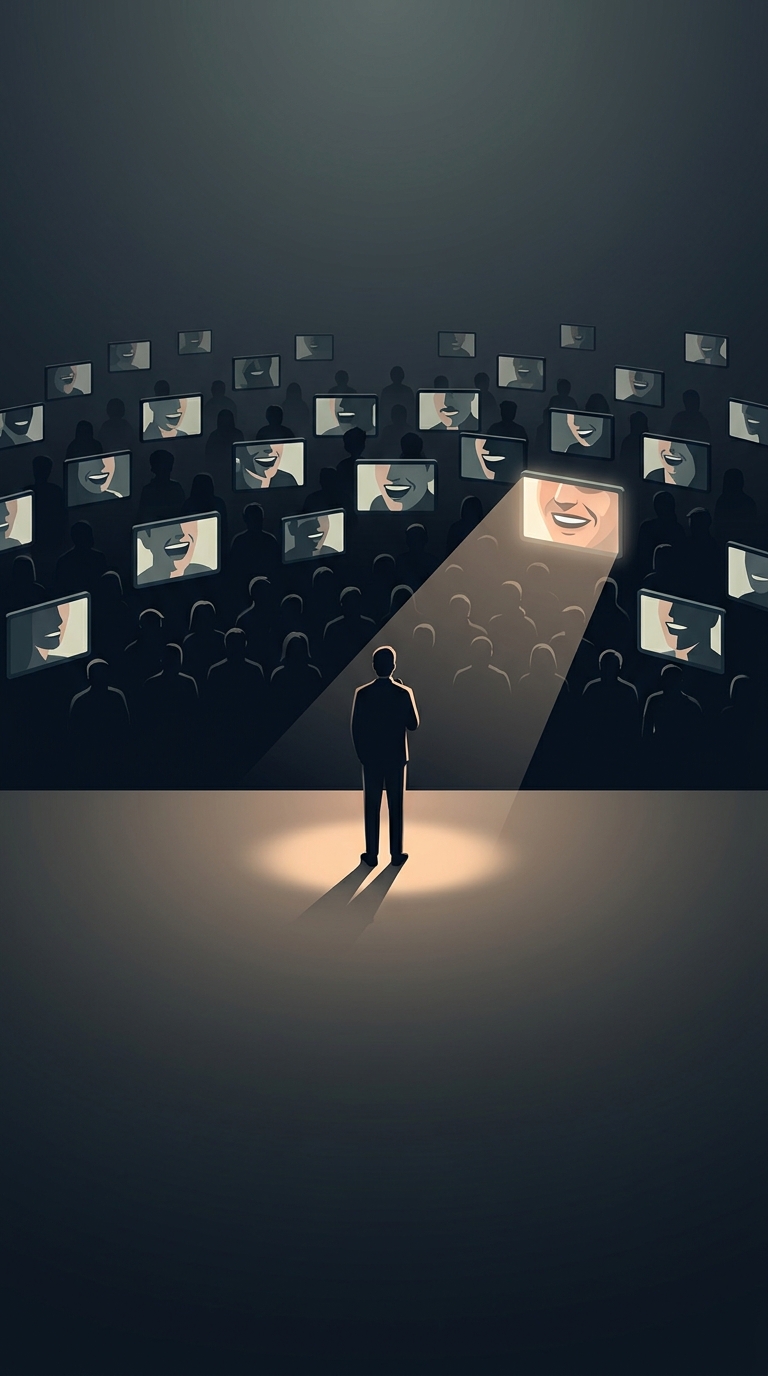
A classic sitcom scene without its laugh track can feel less like comedy and more like an awkward conversation. The characters may still deliver the same lines, but the missing laughter leaves stretches of silence where viewers expect a response. A glance that once landed as a punchline can now seem to linger too long; a character’s smug pause can read as unsettling rather than funny.
Laughter Shapes the Rhythm
A laugh track is recorded audience laughter added to, or mixed into, a show’s sound. It does more than signal that a joke has happened. Laughter occupies time: the actors pause for it, and the edit preserves room for the audience to react. Remove that sound, and the scene’s timing is still built around a response that never arrives.
The track also acts as a social cue. Hearing other people laugh can make a joke seem funnier and tell viewers how to interpret a moment. Without that cue, the same line has to carry the comedy on its own. If it depends on delivery, context, or the audience’s sense of the characters, it may land differently—or not at all.
The Same Scene, a Different Feeling
That mismatch can produce a peculiar effect: the characters seem to be waiting for approval that never comes. Their pauses feel exposed, and ordinary exchanges can acquire an uncomfortable edge. The scene has not necessarily changed; the missing laughter has changed the timing and the emotional instructions around it.
That is why a laugh-track-free clip can make familiar sitcom behavior look strange. The silence reveals just how much of comedy is not only what characters say, but when viewers are invited to laugh.