Familiarity turns strangers into social companions
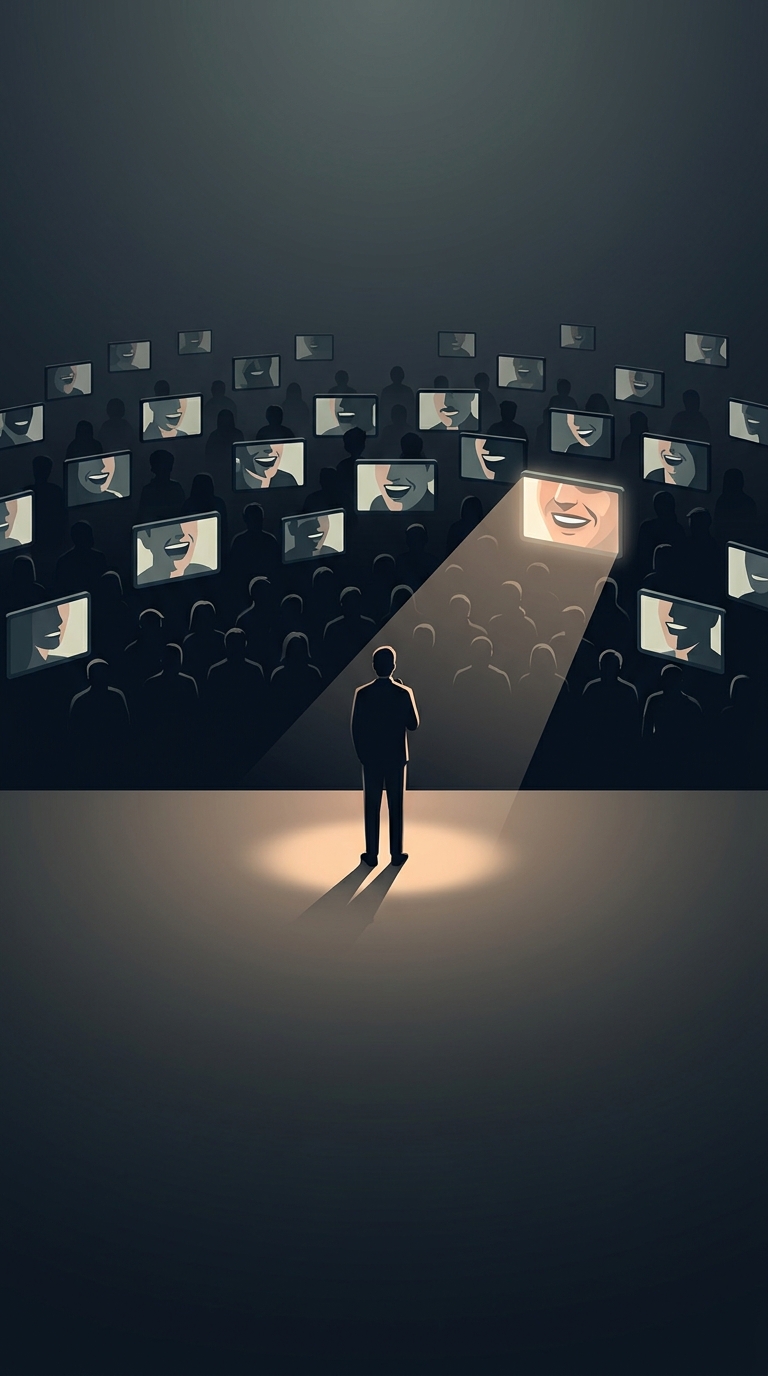
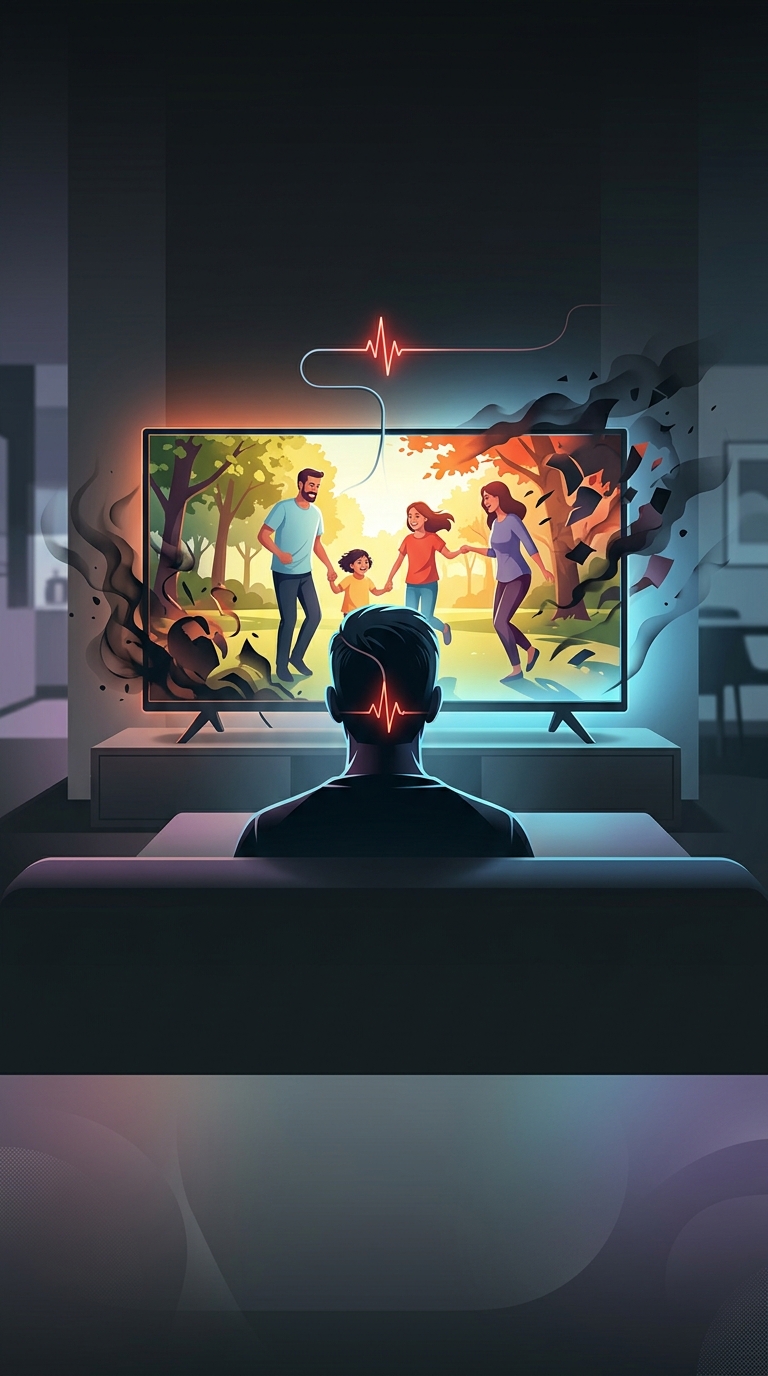
The pull is less a single trick than a blend of repeated exposure and parasocial connection. A parasocial connection is a one-sided sense of knowing someone who does not know you. Regular appearances, personal stories, and familiar habits give viewers enough detail to build a mental picture of a cast member much as they would of an acquaintance.
That feeling can form even when viewers know the show is edited or that some situations are staged. Knowing a story is constructed does not switch off the social instincts that respond to faces, emotions, and relationships.
Viewers become judges—and predictors
Reality television also gives viewers a running social puzzle: Who is being sincere? Which friendship will hold? Who will apologize, retaliate, or be left out? Viewers make predictions, revise them as new scenes appear, and compare their judgments with the show’s framing. That active interpretation can make the cast feel personally consequential, not merely entertaining.
Editing helps shape the puzzle. A reaction shot, a confession in a private interview, or a scene cut just before a confrontation can emphasize a character’s motives and leave questions open. The viewer supplies the missing connections, investing attention and emotion in the people at the center of the story.
Scripted structure, genuine response
A viewer can recognize the production machinery and still feel anger, sympathy, or suspense. The format organizes real-seeming social cues into an ongoing narrative; the audience’s emotional response does not require believing every moment happened spontaneously.
That is why a cast member’s small gesture—a changed alliance or an unexpected apology—can feel like news about someone the viewer knows, even though the relationship runs only one way.