Why a drink may not register as a meal
Hunger is not a simple calorie meter. The body combines signals from the mouth, stomach, and intestine to gauge whether food is arriving and how much to expect. Chewing takes time and gives the brain repeated sensory cues; a drink can be swallowed in a few gulps, leaving less time for those cues to build.
Once food reaches the stomach, its volume stretches the stomach wall. That stretch helps signal fullness, while nutrients moving into the intestine trigger additional signals that can reduce appetite. But a liquid’s effect depends on what it contains and how it behaves: a thick, substantial drink may linger longer than a thin one, and ingredients such as protein and fiber can affect fullness. “Liquid calories” are therefore not all alike.
The calories can be easier to overlook
A drink may add energy without prompting someone to eat less at the next meal. With a filling solid meal, people often compensate by stopping sooner later on; compensation for calories in beverages can be weaker. That is one reason sweetened coffee, soda, or juice can quietly add to a day’s intake: they are consumed quickly and may not feel like food in the same way.
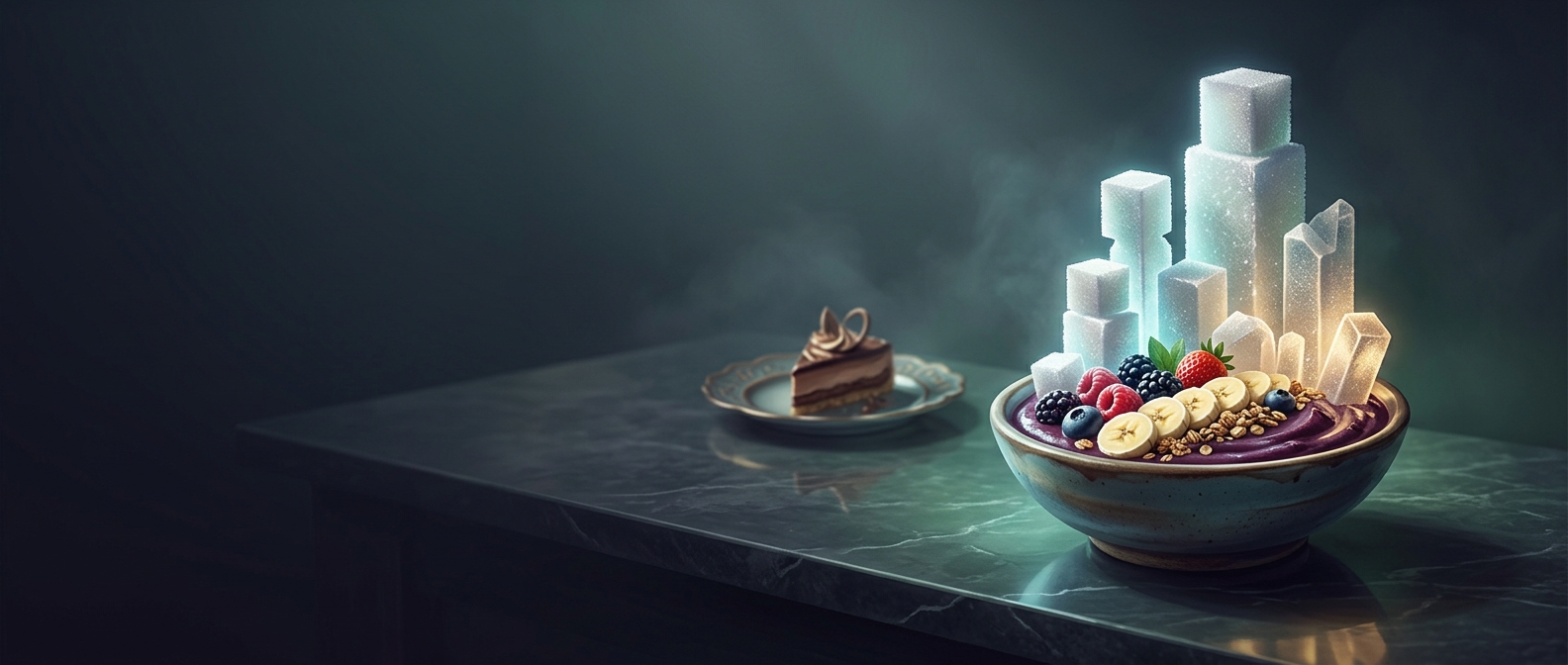
This does not mean a beverage can never satisfy hunger. A smoothie with substantial ingredients, for example, can be more filling than a small sugary drink. The practical difference is that calories in a glass may be less noticeable to appetite than the same energy eaten slowly with a fork—so thirst or a quick drink is not always a reliable guide to whether the body has had enough.