Why La Llorona’s story belongs to riverbanks
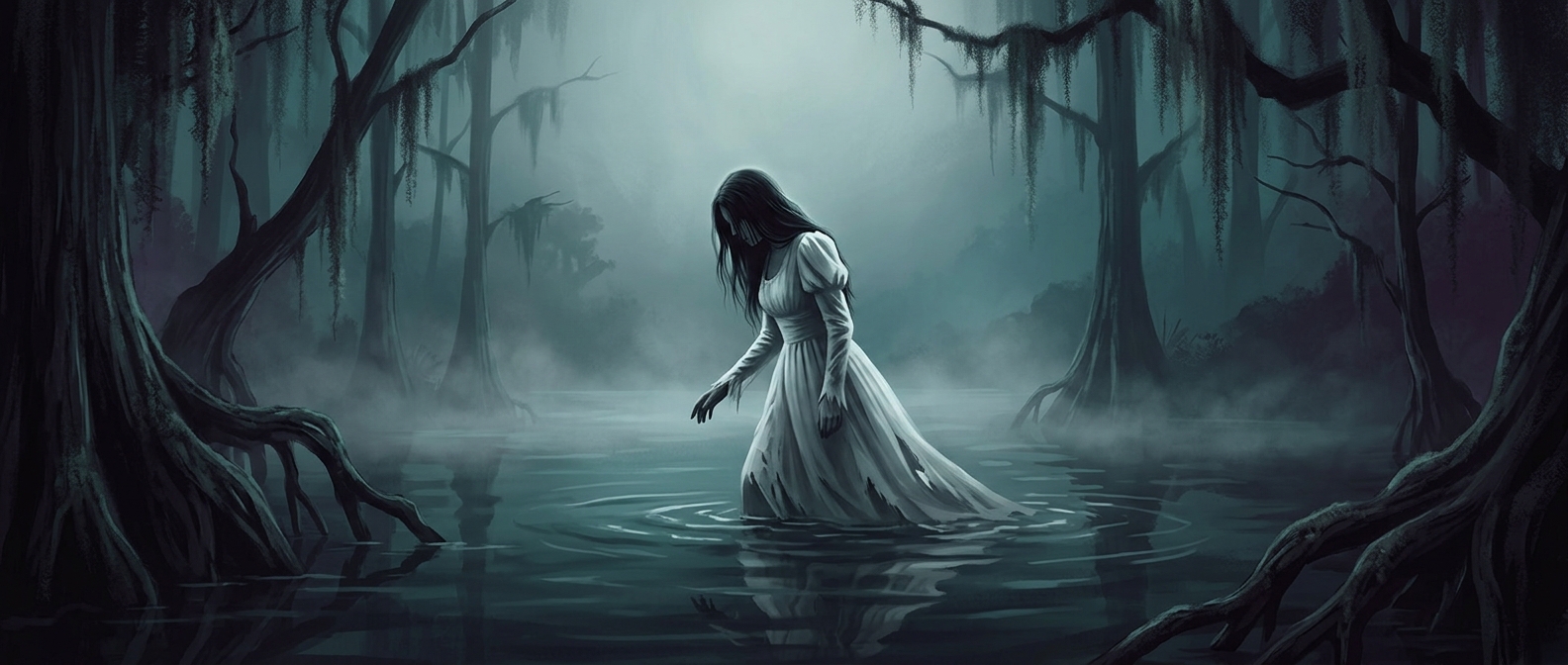
La Llorona—“the Weeping Woman”—is told in many versions across Latin America and communities with Latin American roots. The details change from place to place, but water gives the story a setting people recognize: a river, canal, or lakeshore after dark, where a familiar landscape can suddenly feel dangerous.
That setting does more than provide atmosphere. Water can conceal what lies beneath its surface, and currents can make a misstep consequential. In a tale about a grieving woman searching for children, the shoreline becomes a boundary between the safety of home and a place where people can disappear from view. The legend turns an ordinary route or landmark into somewhere listeners approach with caution.
A warning that changes with the place
Because the story travels, La Llorona is not tied to one universally agreed river or origin. Local tellers can place her near whatever waterway their listeners know. That flexibility helps the legend feel close at hand: the frightening place is not an imaginary wilderness but the water nearby, encountered on a walk, at night, or in childhood stories about staying away from the edge.
The tale also carries emotional weight beyond danger. Its versions often connect the woman’s cries with loss and family, though the events and moral lessons differ. The water makes that sorrow audible and local: a night sound by a real river can seem to belong to the legend, even when the story is being told far from where another version began.
So La Llorona’s hauntings are not anchored to a single landmark. They follow the waterways that communities know—and the uneasy feeling that a dark, familiar bank can hold more than the eye can see.