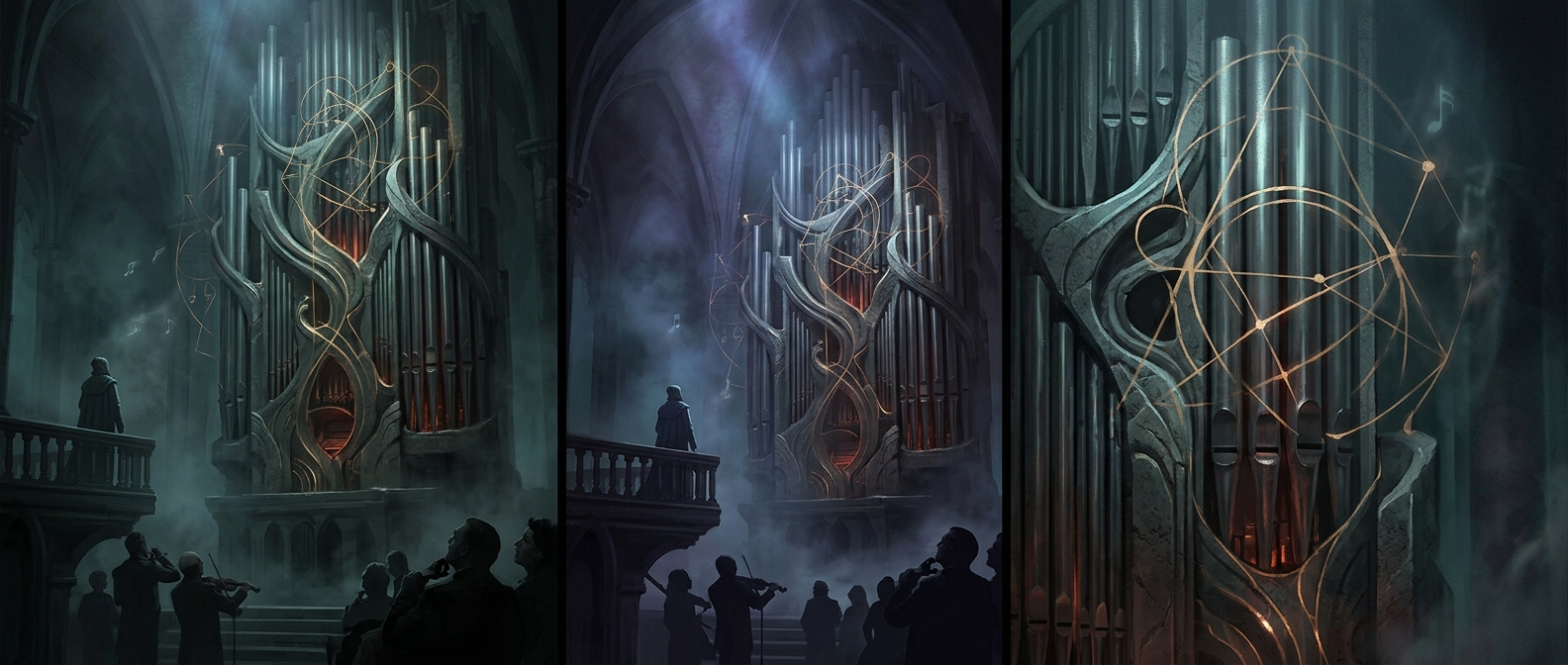
How a Backward Record Became a Cultural Scare
Backmasking means recording a sound so it plays in reverse when a record is played normally—or hiding a message that becomes intelligible only when the audio is reversed. The technique was real, but the public alarm around it grew from a more unsettling question: could a listener hear a secret message without realizing it, and could that message influence them?
For some Christian parents and campaigners in the 1980s, backward lyrics seemed to offer an explanation for why heavy metal felt threatening. If a band’s ordinary lyrics sounded dark or rebellious, claims of hidden Satanic messages made the music seem dangerous even when a teenager was simply playing a record forward. The allegation turned an ordinary household object—the stereo—into a suspected channel for covert influence.
Why the messages seemed convincing
Reversing a familiar voice produces strange syllables. Once a listener is told what a hidden phrase supposedly says, that expectation can make the sounds seem to match it. This is a form of pattern perception: the brain tries to organize ambiguous noise into something recognizable. A phrase heard after a prompt can feel unmistakable, even though another listener may hear something entirely different.
That gap between hearing and interpretation helped the controversy spread. A reversed recording could be played as evidence, while its odd sound invited listeners to supply the meaning. The claim of a message and the experience of hearing one reinforced each other.
Turning the accusation into a joke
Some musicians responded by recording deliberately silly backward messages, including reminders for children to eat their vegetables or clean their rooms. The joke depended on the same trick: reverse the audio, then give the audience a phrase to recognize. Instead of revealing a sinister command, the exercise showed how easily a listener could be led to hear an intended message in garbled sound.
The prank also flipped the authority of the warning. A parent or campaigner might present a backward phrase as proof of hidden danger; a band could use the same method to expose how much the interpretation depended on the listener’s expectation. The record still played backward—but now the “secret” was a household chore.