Why an Unfinished Object Keeps Asking for Attention
A broken appliance can become a small recurring task, even when nobody is actively working on it. Each time it comes into view, it may prompt the same questions: Is it worth repairing? Could someone else use it? Where should it go? The object has not changed, but the decision remains open.
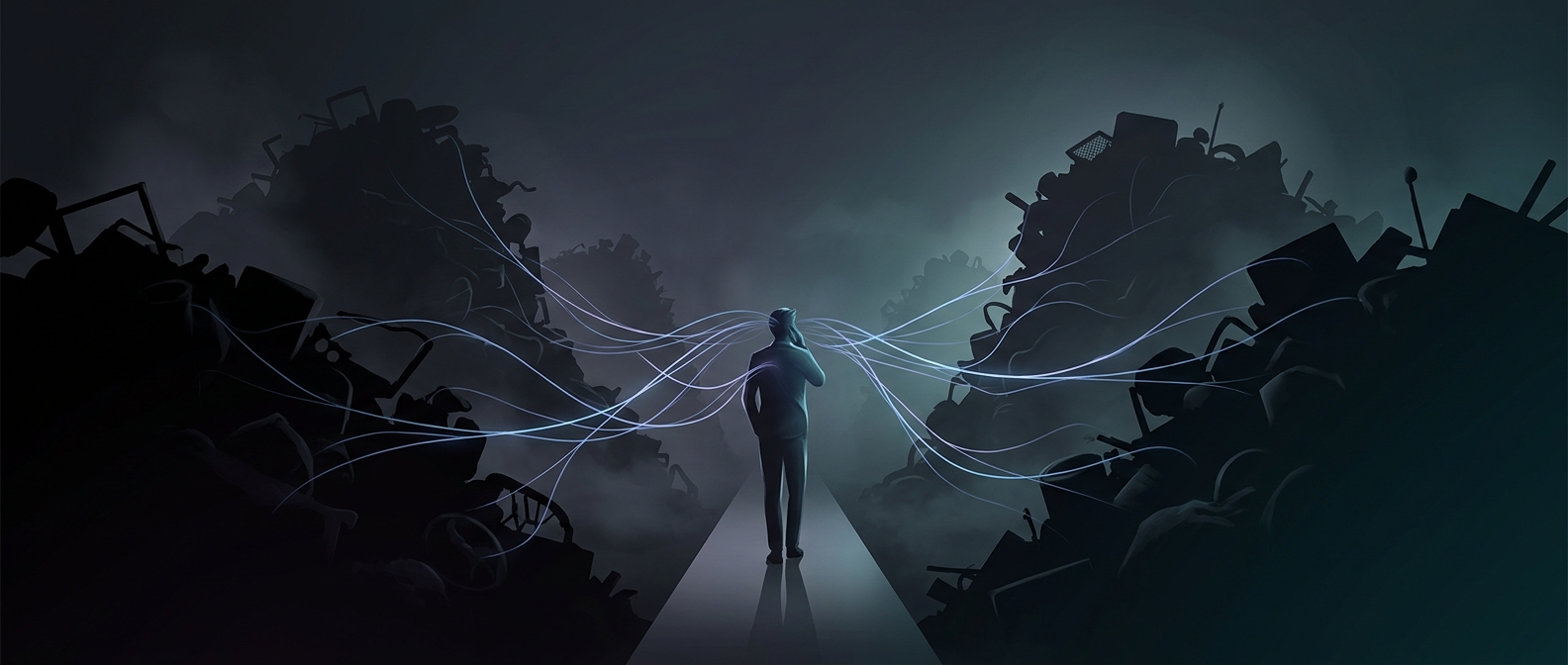
That matters because attention is limited. A reminder can interrupt what someone is doing, or simply add another unresolved item to the mental list they are trying to keep track of. This is not a special effect of the toaster; it is the ordinary cost of repeatedly encountering a decision with no settled answer.
The Hidden Cost of “Maybe Later”
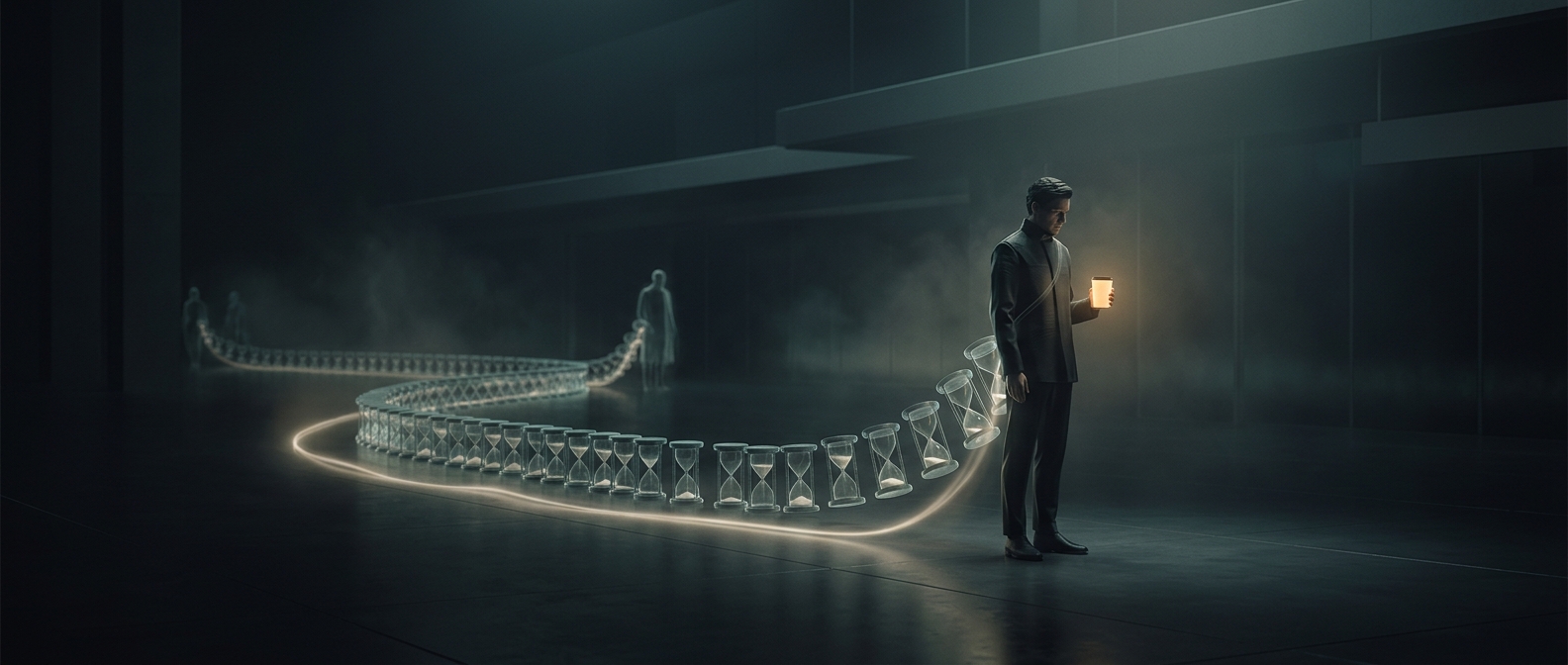
Keeping something can seem economical: perhaps it will be repaired or reused, and throwing it away may feel wasteful. But the comparison is not always “keep it for free” versus “pay to replace it.” Keeping it also has costs—space, upkeep, and the repeated effort of deciding what to do.
A practical way to close the loop is to choose a next step: repair it by a specific point, pass it on if it still works, or dispose of it appropriately. The point is not to discard everything that is inconvenient. It is to notice when postponing a decision has become its own ongoing expense.
Once the choice is made, the object stops serving as a standing reminder. The relief comes not only from reclaiming a corner of the room, but from no longer having to reconsider the same question every time you pass it.