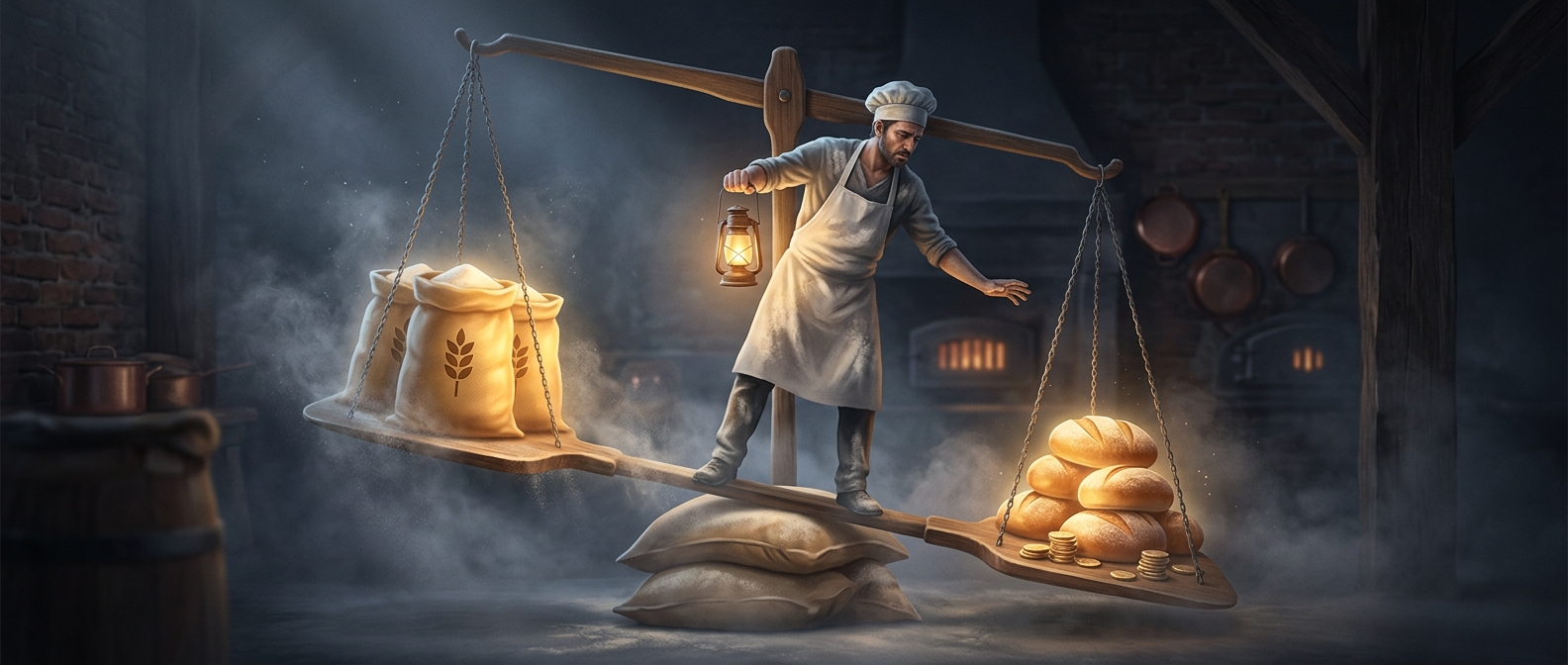
Why One Sandwich Can Beat Two Later
A sandwich available now does more than promise food: it ends hunger now. Two sandwiches next week may offer greater value on paper, but they cannot solve today’s problem. The choice is therefore not simply between one sandwich and two. It is between an immediate benefit and a larger benefit that must wait.
Waiting Has a Cost
In economics, people often discount delayed rewards: a benefit feels less valuable when it arrives later. Part of that difference is practical. Waiting can mean enduring hunger, giving up other ways to use the time or money, and accepting the possibility that a promise will not be kept.
Even when the future reward is reliable, people may weigh the next few days more heavily than a later period. That helps explain why someone might turn down the better deal while hungry, then choose two sandwiches next week when both options are still in the future. The immediate need makes “now” unusually valuable.
The Trade-Off Behind the Choice
This preference is not automatically foolish. If someone needs food today, the smaller reward meets a real need that the larger one cannot meet in time. But when the delay is manageable and the promise is dependable, taking one sandwich now can mean giving up more total food for the sake of avoiding a short wait.
The choice reveals a quiet price of immediacy: getting something sooner can be worth less than receiving more later, but the wait itself has to be counted too.