How a Confessional Becomes a Scene
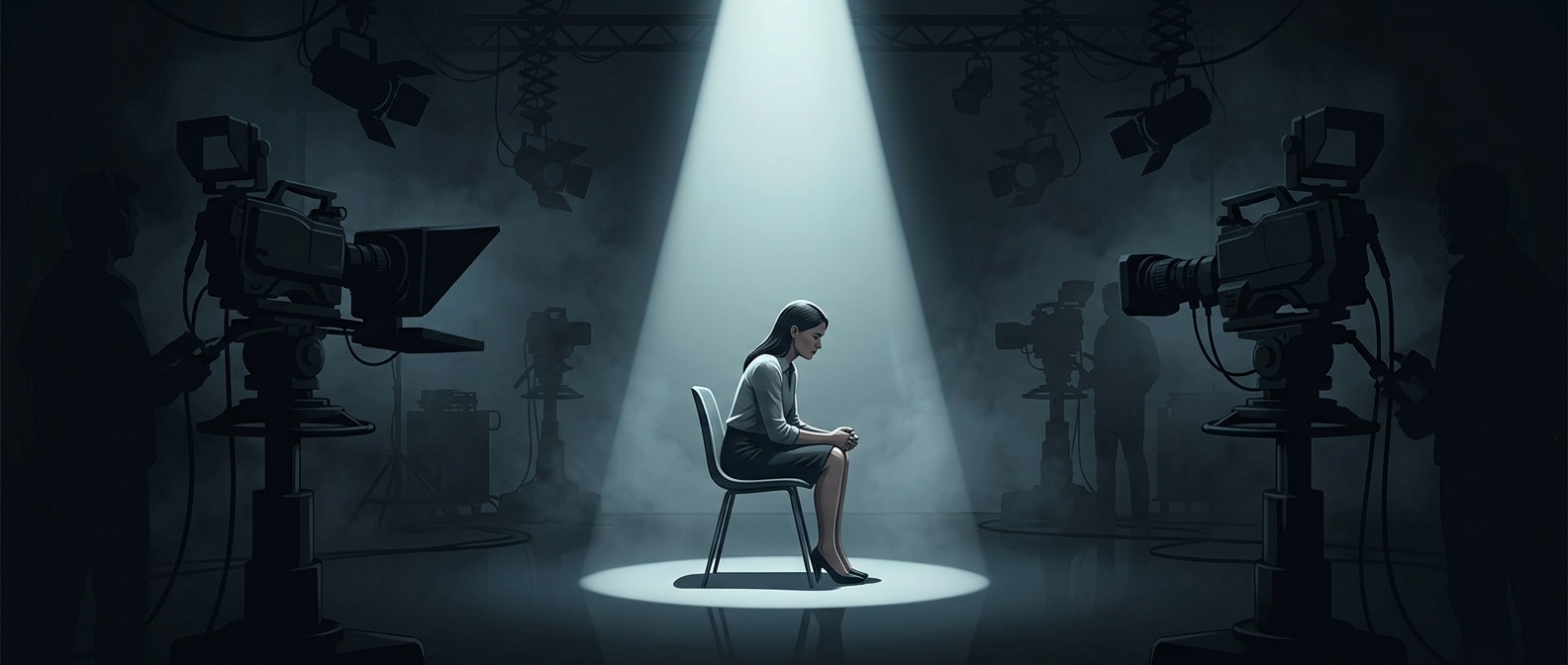
A reality-show confessional is an interview filmed apart from the action, often with a contestant speaking directly to the camera. It gives editors a clean way to explain what someone thinks or feels—especially when the main footage shows only a reaction, not the thoughts behind it.
But the interview is also a production setting. A producer can ask a contestant to revisit a tense exchange, describe a rival’s decision, or compare what they expected with what happened. The question shapes the answer: asking “Why were you angry?” invites a different response than asking “Were you angry?”
The Edit Supplies the Missing Context
Hours of conversation can yield only a few usable seconds. Editors select a phrase, then place it beside footage from another moment. A remark about a general frustration may appear to explain one specific argument; a pause or reaction shot can make a measured answer feel ominous. The words may be genuine while the sequence gives them a sharper meaning than they had in the interview.
Sleep deprivation can add another pressure. Tired contestants may find it harder to stay focused or carefully qualify an answer, while repeated questions can encourage them to revisit the same event from different angles. That does not mean every answer is fabricated. It means the final scene is a constructed sequence, not a continuous record of what happened.
The result can feel spontaneous because the footage is real and the contestants are speaking in their own voices. Yet the apparent turning point may depend on what was asked, what was left out, and where the answer was placed. In a confessional, the camera records a conversation; the edit decides which conversation the audience sees.