Why producers put a limit on drinking
Reality-show contestants may be filmed in social settings where alcohol is part of the scene, but producers generally cannot treat access to it as an ordinary party. Once a production supplies or permits alcohol, it has to consider what could happen if someone becomes impaired while cameras are rolling. Drinking can affect judgment, intensify conflict, and make it harder for a contestant to give meaningful consent or look after their own safety.
Lawsuits helped push that risk into the production process. Rather than leave drinking entirely to contestants, producers began setting limits on how much alcohol participants could have. The basic tradeoff is straightforward: alcohol may contribute to the atmosphere a show wants to capture, but unrestricted access can create risks that extend beyond the scene.
Limits shape what the cameras can capture
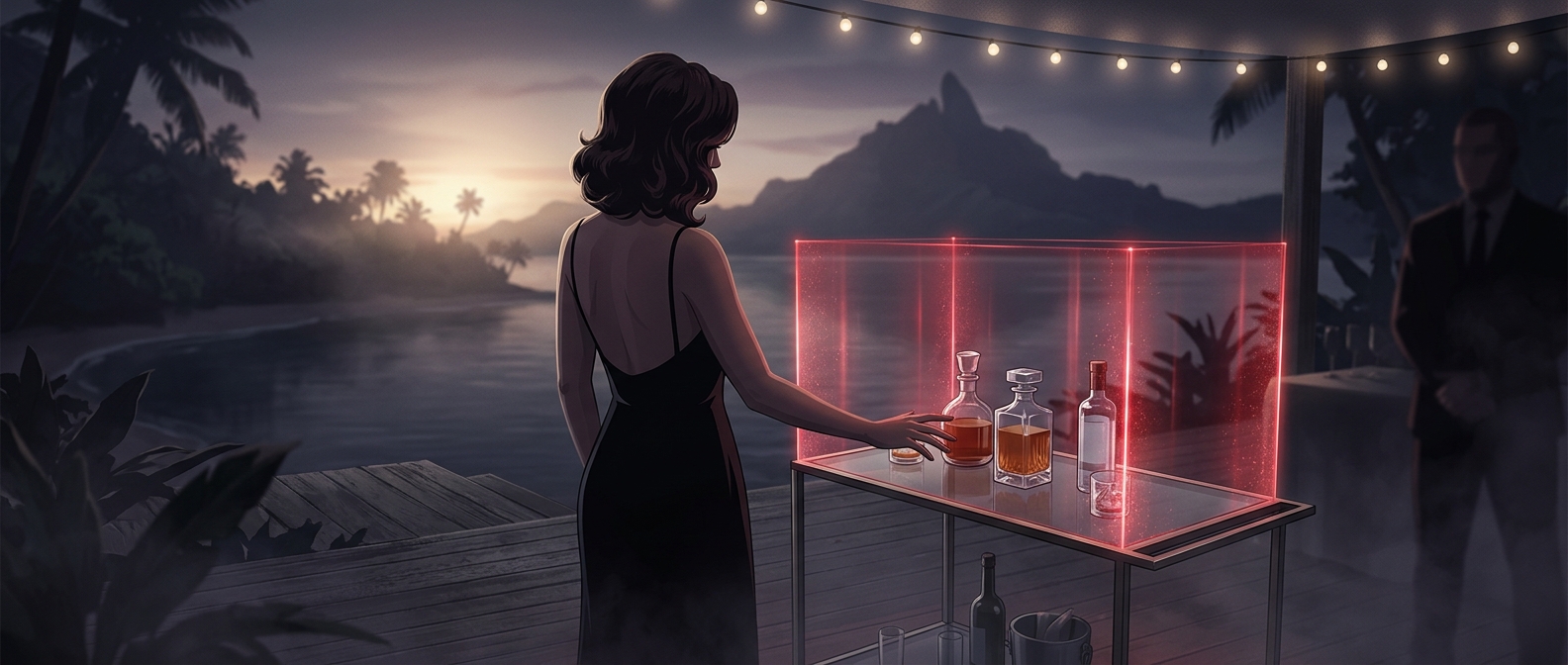
Regulating intake does not necessarily mean banning drinks. Contestants may still have some alcohol, while production controls how much they can consume. The exact arrangements can vary, so a limit should not be mistaken for one universal rule across every show.
That boundary also changes the meaning of a filmed party. What looks spontaneous on screen is taking place within a managed production, where access to alcohol is one of the conditions producers can regulate. The drinks may be part of the scene; unrestricted drinking is not.