Why an umbrella policy may respond to a reputation claim
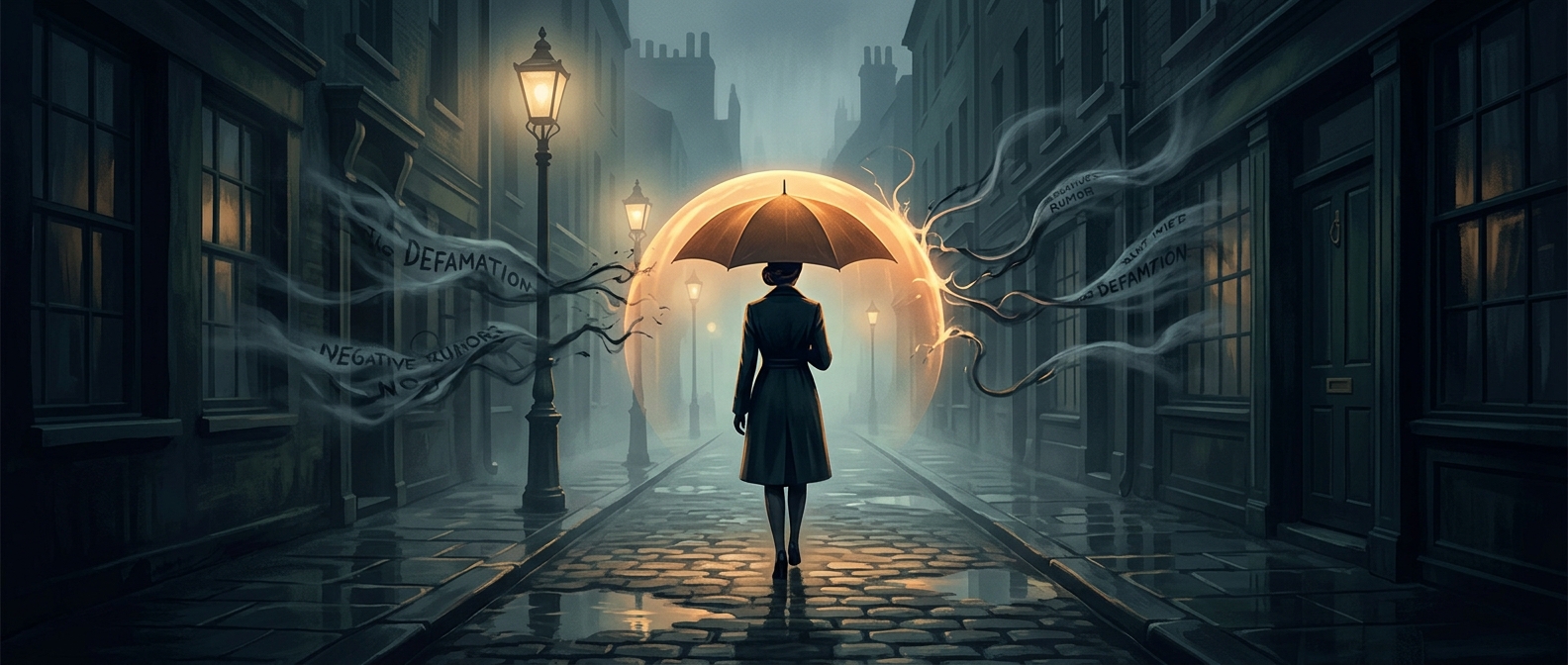
A personal umbrella policy is usually designed to add liability protection above certain limits in a household’s auto or homeowners insurance. Some policies also cover “personal injury” claims—a category that can include libel, a harmful written statement, and slander, a harmful spoken one. That can bring a dispute over someone’s words within an insurance policy, even though no car crash or physical damage occurred.
The value may come before any verdict
A defamation claim can require a lawyer long before a court decides whether a statement was false, harmful, or legally protected. If a policy covers the allegations, its insurer may provide or pay for a legal defense, subject to the policy’s terms. That support can matter even when the claim is ultimately dismissed or resolved without a trial: legal bills arise while the facts and legal arguments are still being contested.
The wording sets the boundary
This coverage is not automatic. Policies differ in how they define covered personal injury, handle defense costs, and treat exclusions. For example, an allegation that a statement was knowingly false may raise an exclusion issue, depending on the contract and the circumstances. Coverage may also differ for statements made as part of a business rather than in someone’s personal life.
So the practical question is not simply whether a lawsuit uses the word “defamation.” It is whether the specific claim and the insured person’s conduct fit the policy. The contract determines whether the umbrella becomes a source of legal-defense support—or leaves the person to arrange a defense independently.