Why a Few Details Can Become a Whole Person
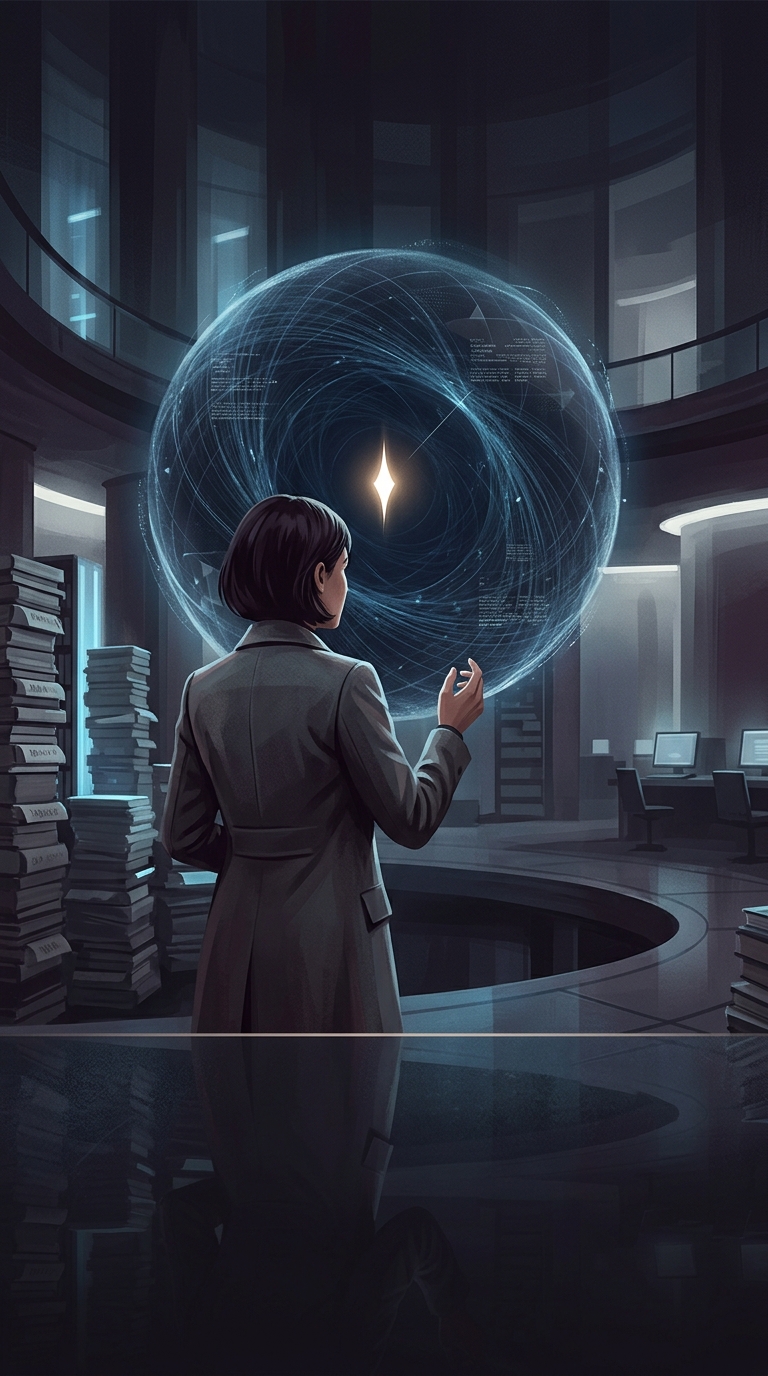
Early in a relationship, information is sparse. You may know how someone jokes, what they notice, or how quickly they reply—but not yet how they handle conflict, stress, or disappointment. The mind dislikes leaving those gaps open. It uses past experience, current hopes, and expectations to make a provisional picture of who the person might be.
That picture can feel like knowledge because it is built from real details. But the details do not necessarily support the larger conclusion. A thoughtful message might mean genuine attentiveness; it might also be ordinary politeness. Until more situations reveal a pattern, several explanations remain possible.
How an Impression Starts to Confirm Itself
Once you have an interpretation, attention can become selective. If you think someone is especially considerate, you may notice every small kindness and overlook moments that do not fit. This is a form of confirmation bias: the tendency to give more weight to evidence that supports an existing belief.
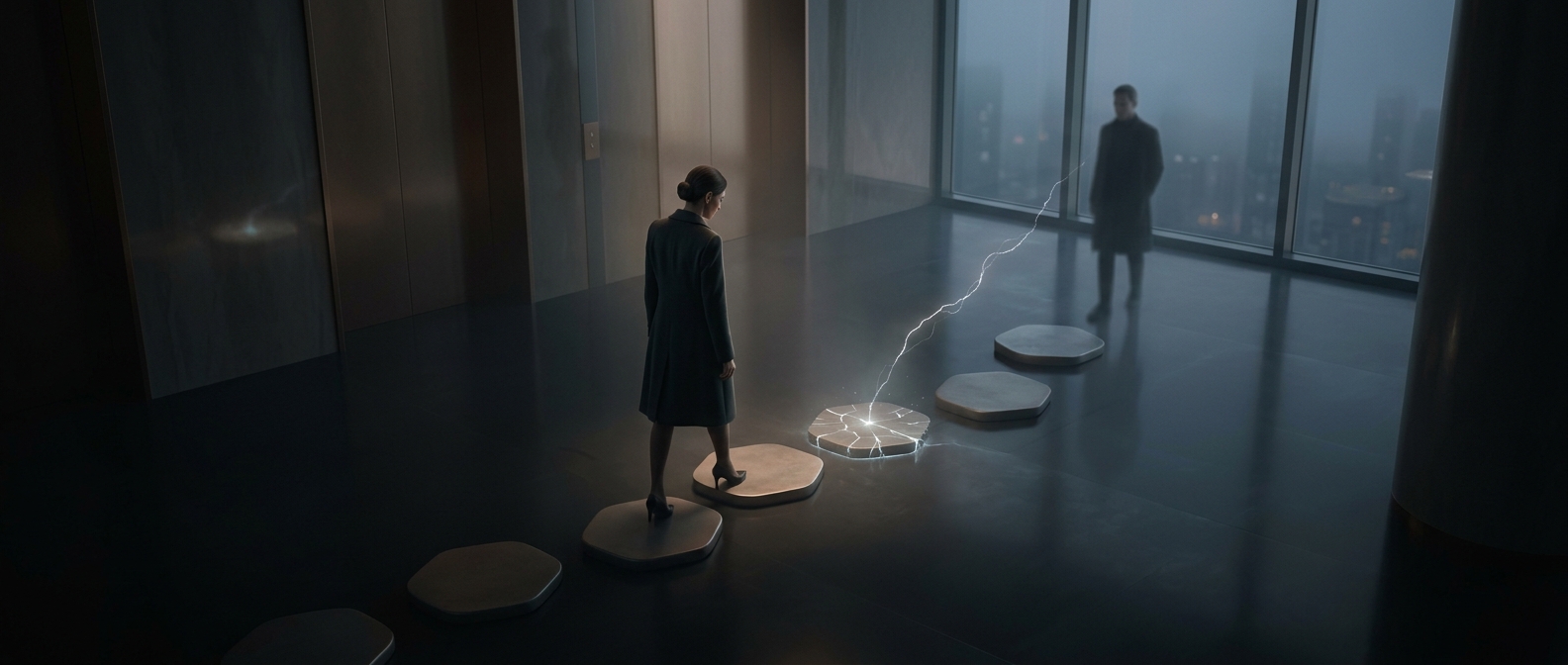
The process is not simply making things up. People do reveal themselves through behavior, and early impressions can sometimes be accurate. The problem is treating a promising sign as a settled verdict. When an expectation is strong, ambiguous actions are especially easy to read in its favor: a delayed reply becomes “busy,” while the same delay might seem meaningful if you already expect rejection.
Let Time Supply the Missing Evidence
A fuller understanding comes from seeing someone across different circumstances and noticing whether their actions are consistent. How do they respond when plans change? Can they acknowledge a mistake? Do their considerate gestures extend beyond moments when they want to impress you? These observations are more informative than trying to decode one charming exchange.
This is why early attraction can feel so vivid while remaining uncertain: you are responding both to what the person has shown and to what your mind predicts those signs mean. The distinction matters. It leaves room for excitement without mistaking possibility for proof—and lets the relationship reveal its actual character over time.