Why a Grocery Scanner Needed So Much Space
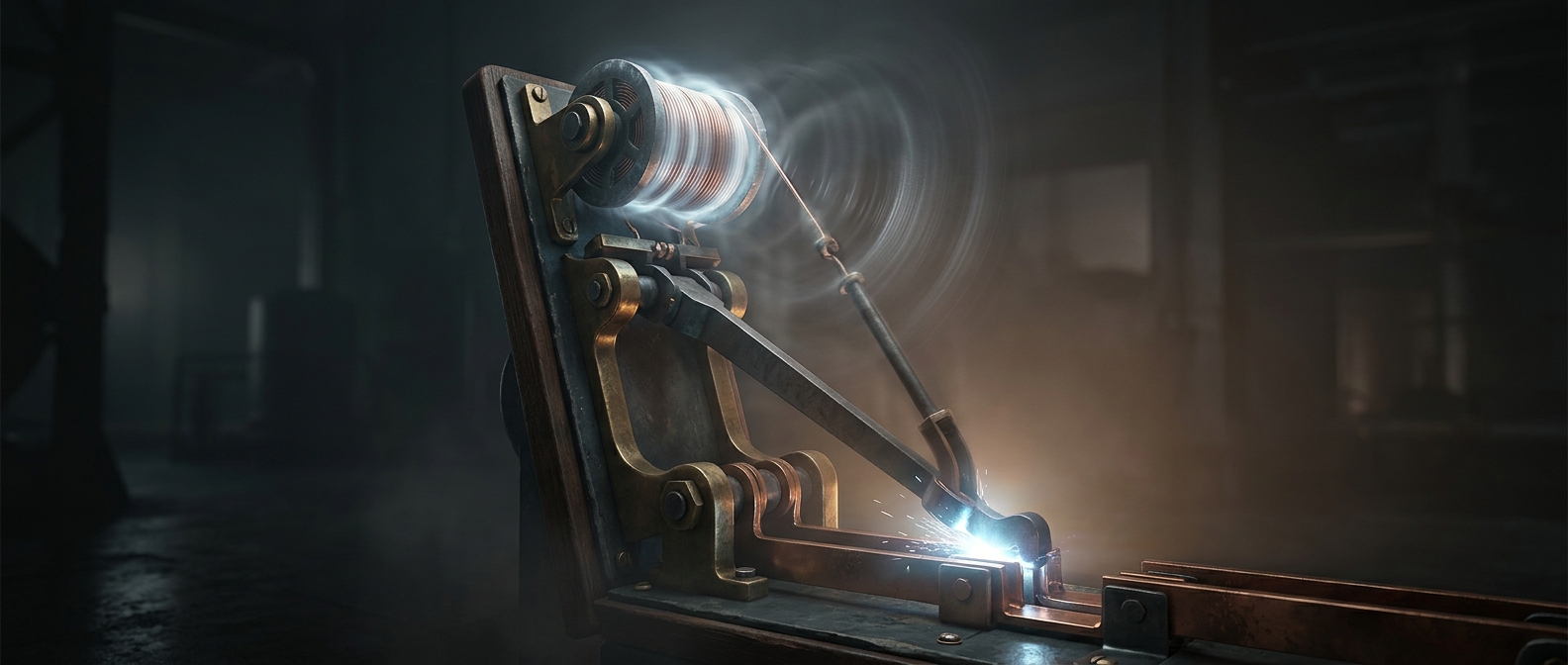
A barcode looks like a simple set of stripes, but a scanner has to turn those stripes into a reliable electrical signal. Early grocery systems used bright light sources and arrangements of mirrors to sweep light across a product’s code. A sensor read the changing reflections: light bounced back from the pale spaces, while the dark bars absorbed more of it. Electronics then translated that flickering pattern into numbers a checkout system could use.
The mirrors helped solve a practical problem: cashiers should not have to line up every package with extreme precision. By sending light across the code from different directions, the scanner had a better chance of catching it as the item moved over the counter. That useful coverage came with a bulky optical setup, plus the power and equipment needed to operate it.
The Tradeoff at the Checkout
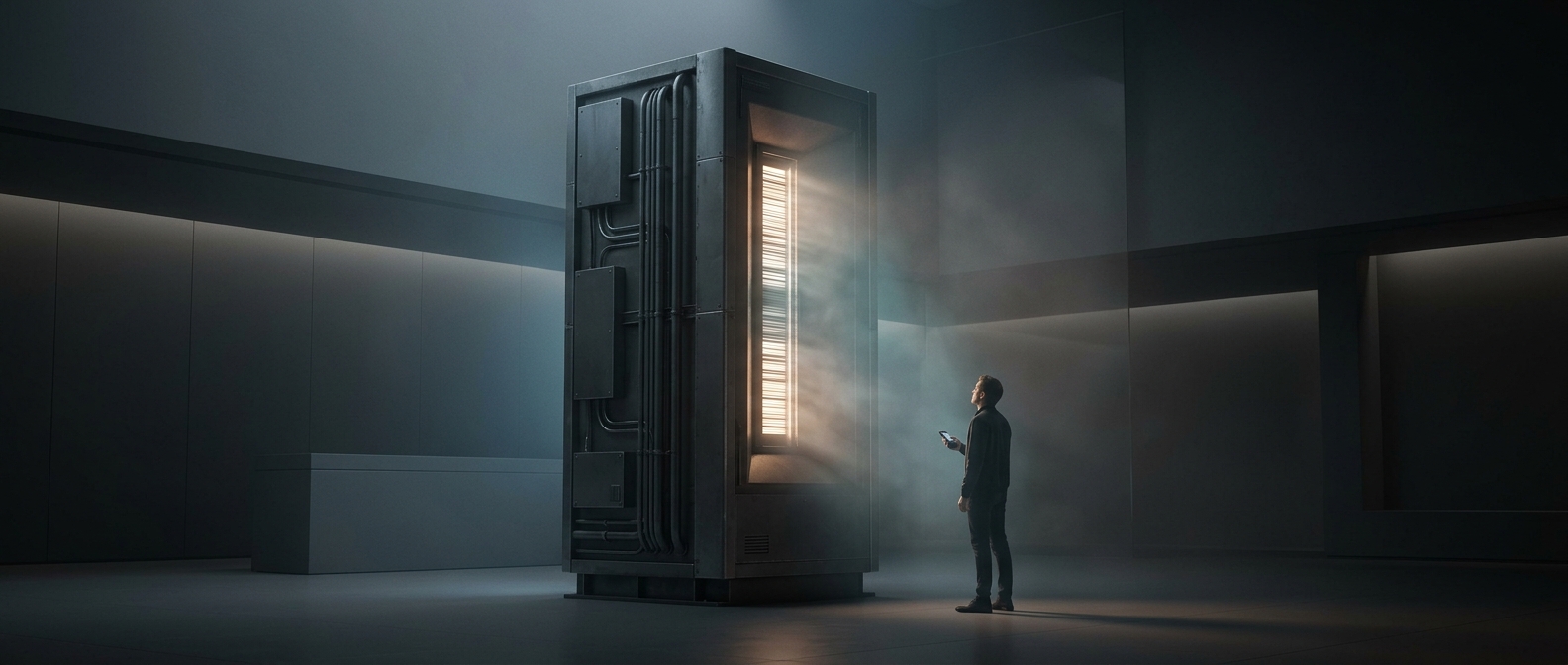
Early light sources and electronics could run hot, and the equipment was costly. The scanner was not just a small reader hidden beneath glass; it was a substantial machine built around its light source, mirrors, sensors, and circuitry. In some early installations, that meant equipment occupying nearly a room.
As those components became smaller and more practical, barcode scanning could fit into ordinary checkout counters. The lasting design challenge stayed the same: read a code quickly even when a cashier cannot place it at exactly the right angle. The room-sized machinery was an early way of buying that convenience with light, mirrors, and space.