Why an ad steps in front of the story
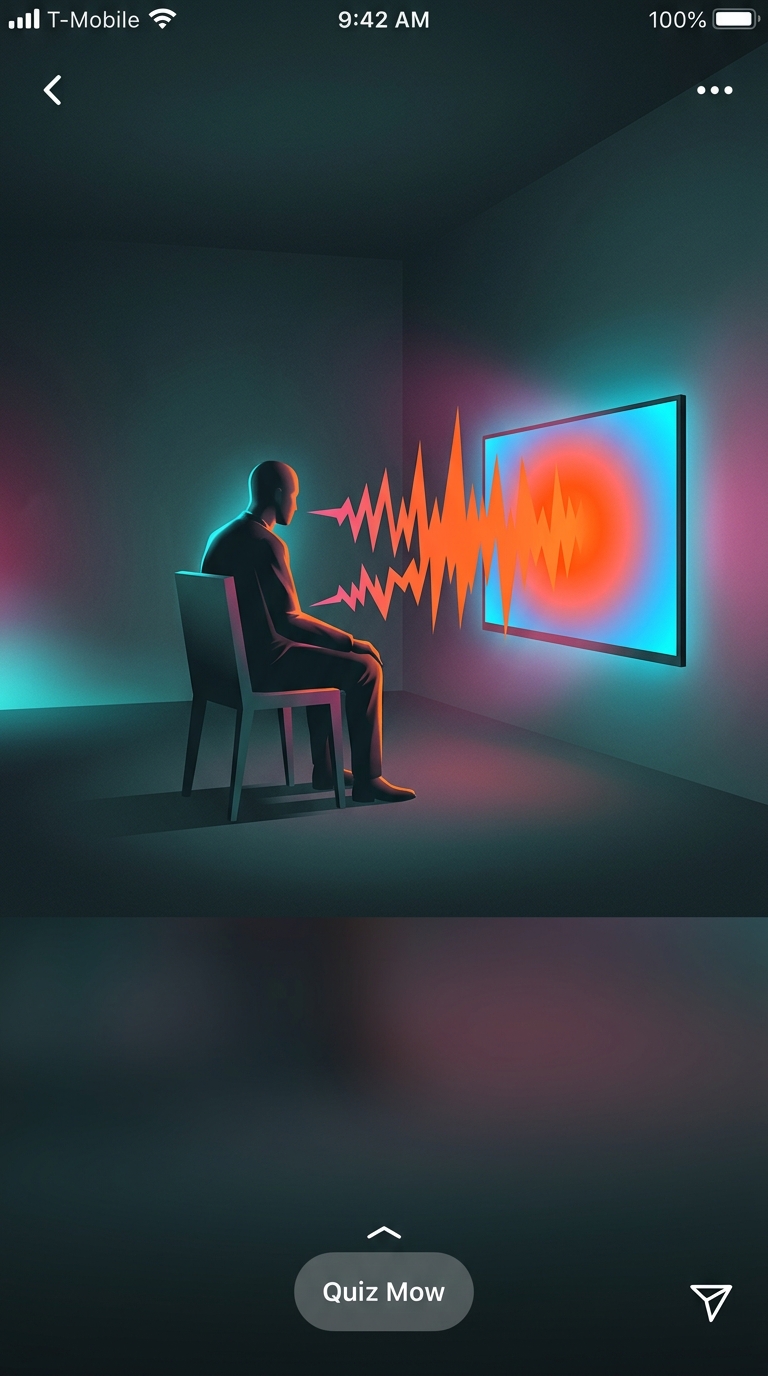
A pop-up is designed to seize attention rather than wait for a reader to notice an ad in the page’s margins. It appears as a separate window or an overlay—a layer placed over the page—so the article may still be open underneath, but the reader cannot comfortably continue until the interruption is dismissed.
That interruption is part of the format’s appeal to advertisers: a prominent message is harder to overlook than a small banner. A site may use the space to promote a product, collect an email address, or invite a subscription. In exchange, the publisher gets another way to earn money from a visit, including when a reader has not clicked anything else.
The attention comes with a cost
The same feature that makes a pop-up conspicuous also makes it disruptive. The reader must stop, find the close control, and return to the point where they were reading. On a small screen, the control can be harder to spot, and an accidental tap may open the ad instead. If the interruption arrives before a visitor has had time to understand the page, it can feel less like an offer than a barrier.
That creates a practical tradeoff for publishers: a more forceful ad can command attention, but it can also make people leave or avoid returning. Browsers and ad-blocking tools may suppress some pop-ups, while publishers can choose less intrusive placements. The format’s defining move is also its risk: it rents attention by interrupting the activity the visitor came to do.