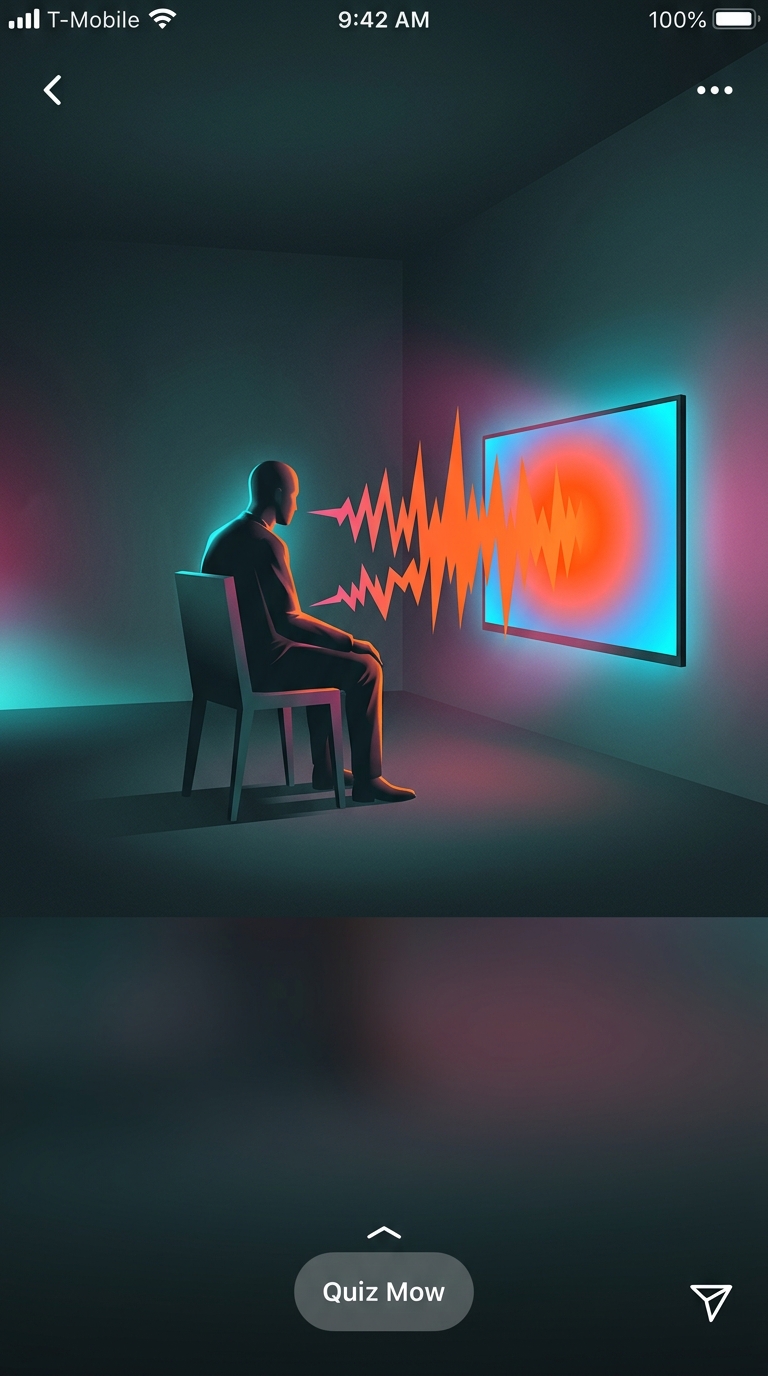
Why a Commercial Can Feel Louder Without Peaking Higher
A TV commercial does not necessarily break the rules—or send a higher maximum signal—to sound startlingly loud. The trick is often how consistently loud it stays. A program may alternate between quiet dialogue, pauses, and brief musical peaks. An ad can compress its sound so that quiet moments rise and loud moments are held in check, leaving nearly every second packed with sound.
That difference is called dynamic range: the gap between a recording’s quieter and louder parts. Compressing that gap makes the ad’s average loudness feel more forceful, even if its brief peaks are no higher than those in the show. Loudness controls commonly assess sound over time, rather than treating every instant as equally important, so a tightly compressed mix can remain within a limit while still seeming more intense.
The Ear Notices More Than a Meter
Perceived loudness also depends on what fills the sound. Bright, sharp sounds—such as crisp percussion or emphatic consonants—can cut through more readily than softer, lower-frequency material. Dense music and tightly delivered voice-over leave fewer quiet gaps for the ear to recover. Then the commercial arrives abruptly after a calmer scene, making the contrast especially noticeable.
The result is a kind of sonic loophole: not necessarily a violation of a volume cap, but a mix engineered to feel continuously present. Turning down the television can help, but the underlying contrast remains. The commercial may not have a higher ceiling; it simply spends much more of its time near it.