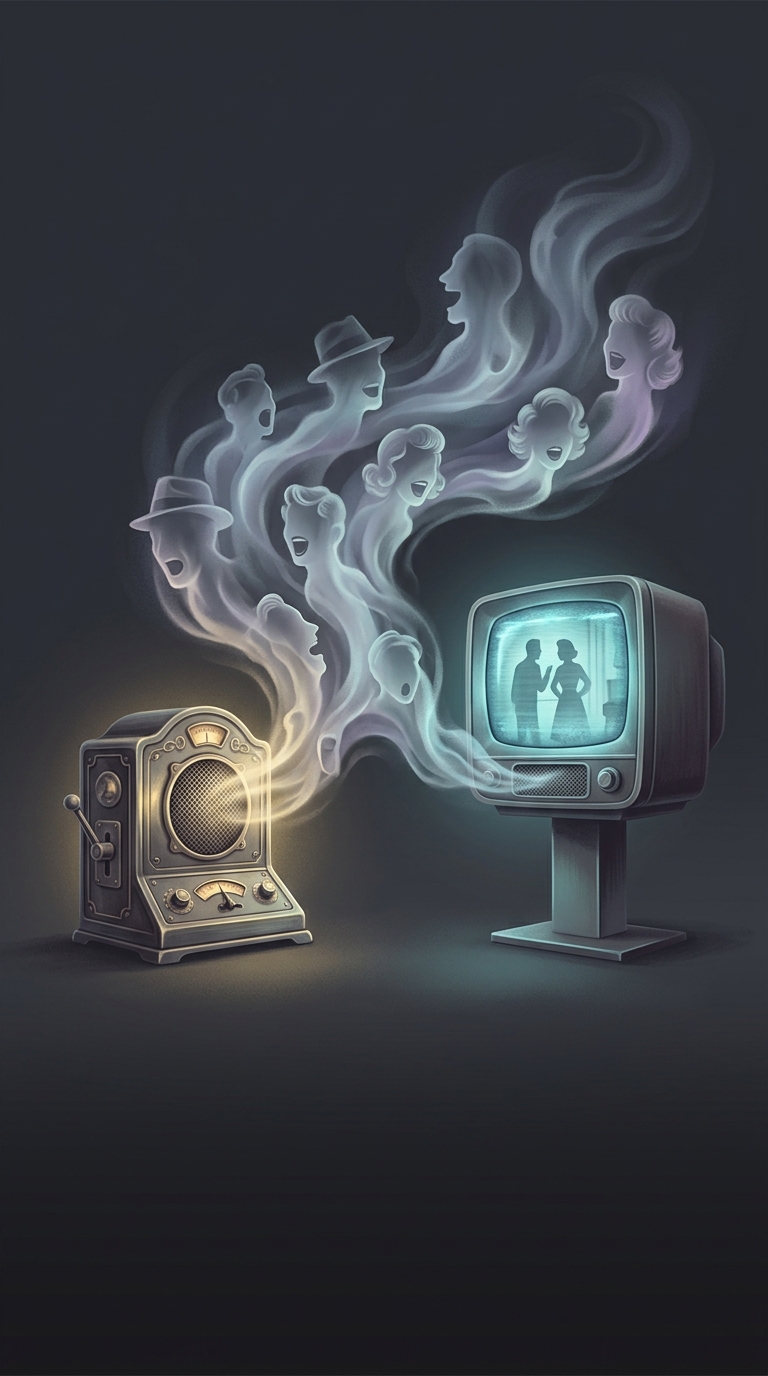
How a roomful of laughter became an editing tool
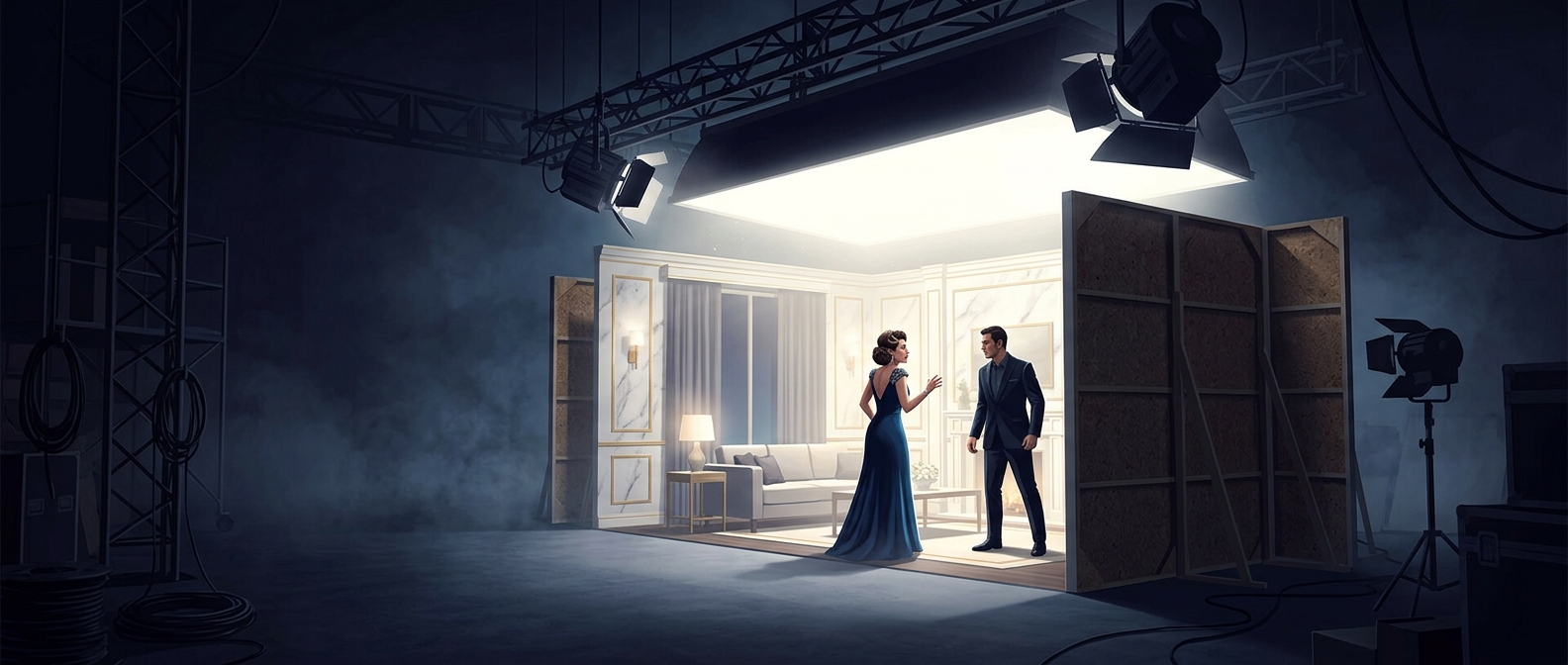
A sitcom joke has to land at a particular moment: after the punch line, before the next line, and without drowning out the actors. When a studio audience laughed too softly—or an edit left a scene feeling abruptly silent—producers could add recorded laughter. That process is called sweetening: supplementing a show’s audience sound to make the reaction feel fuller or better timed.
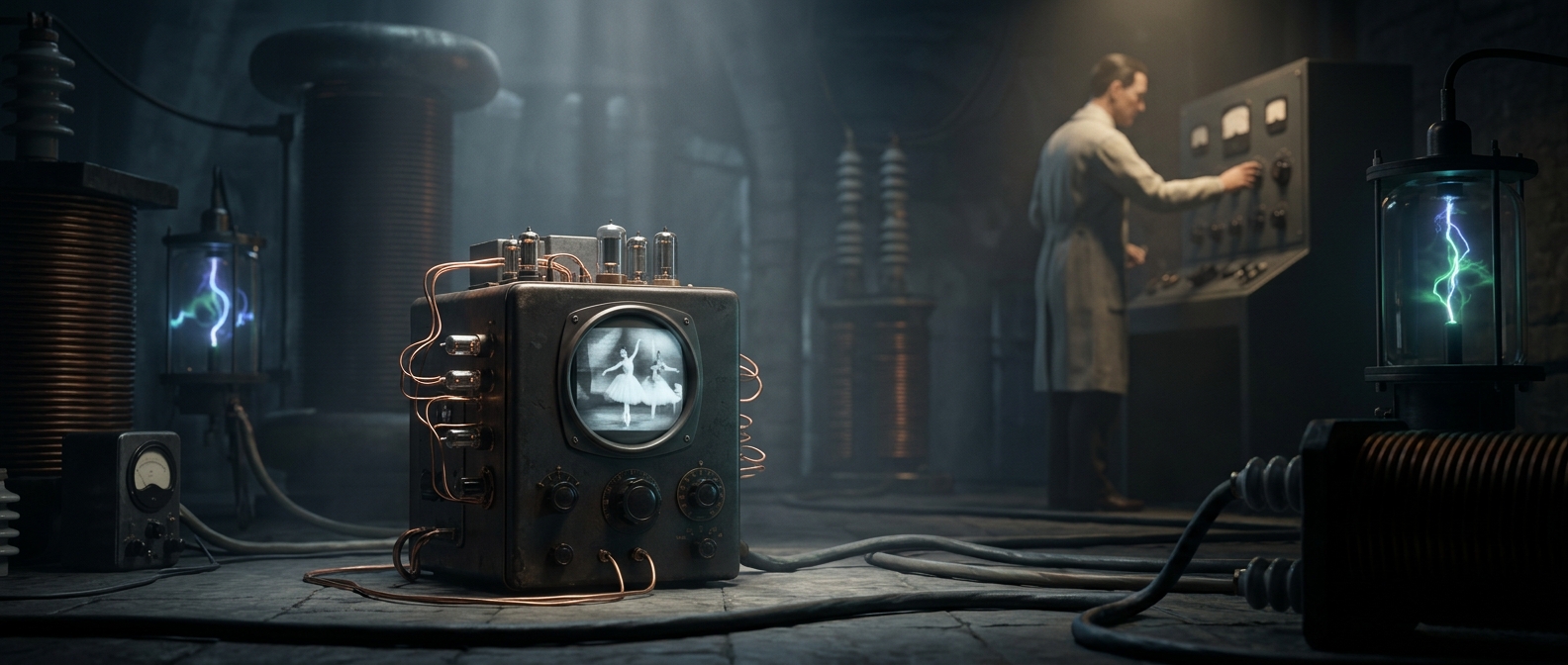
Charley Douglass’s Laff Box made that work practical. It held recordings of audience reactions that an operator could select and play during postproduction. Instead of recording a new crowd for every small adjustment, an editor could choose a laugh and fit it to the scene.
Why old laughter can survive in new shows
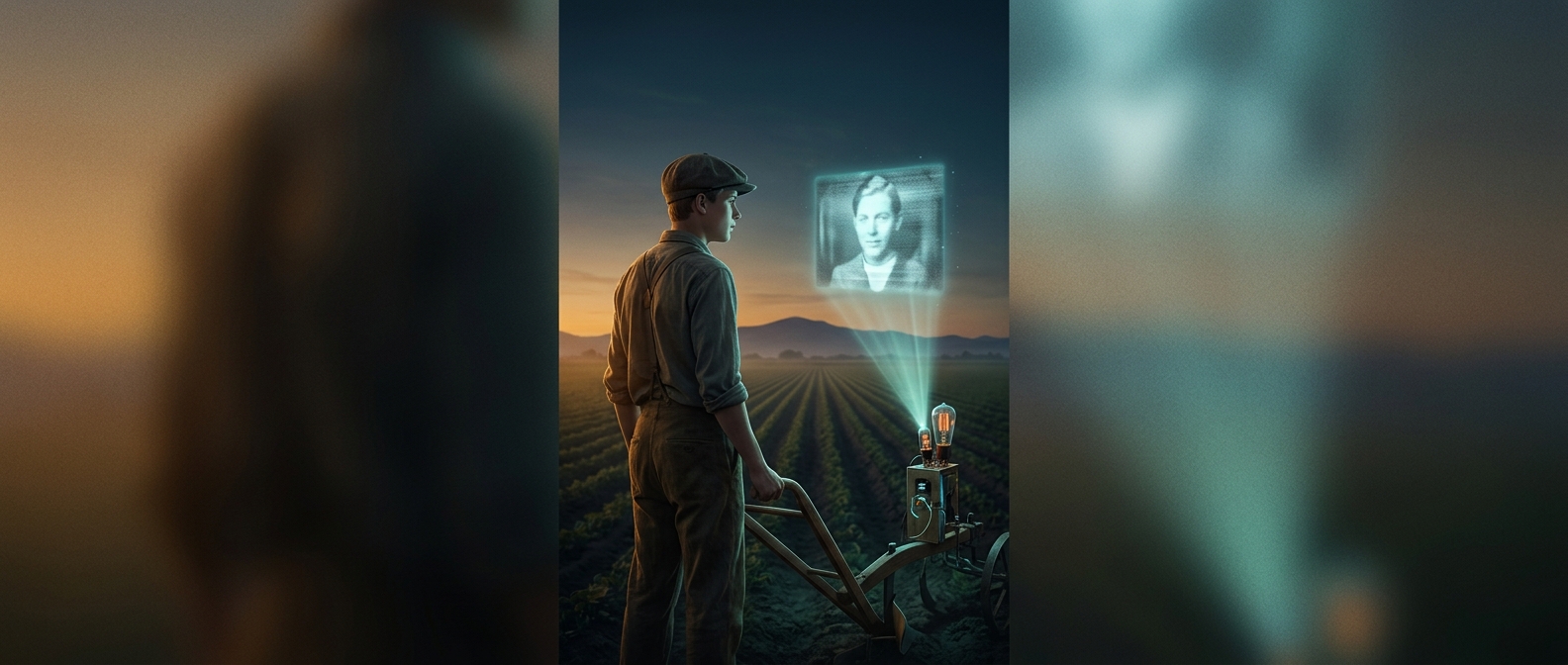
A recording does not age out when the people making it die. Once laughter has been captured, it can be reused, just like other stored audio. So a reaction heard in a later program may come from a crowd recorded decades earlier, even though the performers on screen and the production itself are new.
That does not mean every sitcom laugh is archival: some shows record audiences for their own performances, and others use no laugh track. But when older library laughter is used, the sound carries an odd double history. It responds to a joke made today while preserving the voices—and the collective timing—of people who may have been gone for years.