Music turns ordinary talk into a scene
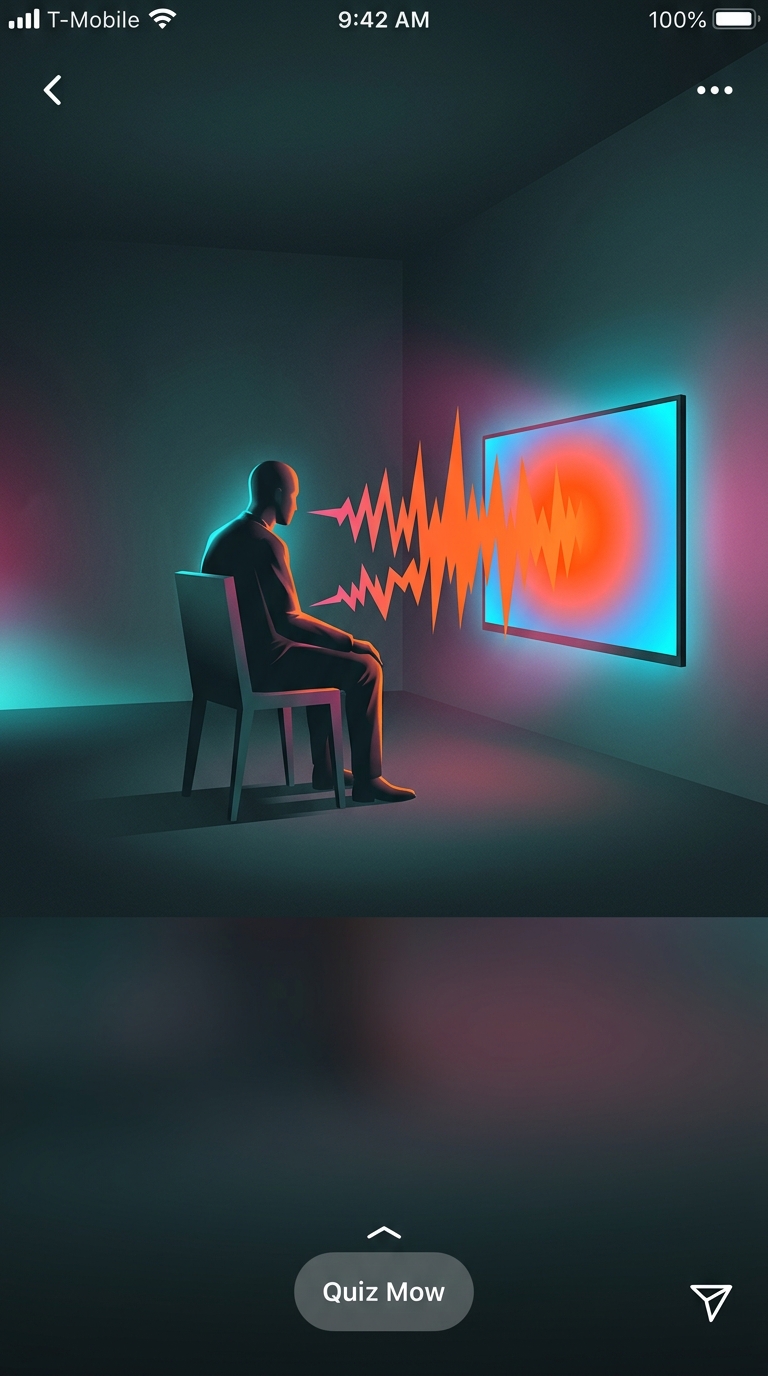
A reality-show conversation may be mundane in the room and suspenseful on screen. A low, pulsing music bed gives the exchange a sense of momentum before anyone says anything dramatic. Its slow thumps can make a pause feel loaded, a glance feel significant, or a disagreement seem as if it is heading toward a showdown.
That is emotional shorthand: viewers hear a cue and begin to anticipate what kind of moment they are watching. The music does not prove that a conversation was tense. It encourages the audience to read it that way.
The soundtrack is part of the edit
Producers shape a scene from selected footage, not from an uninterrupted view of everything that happened. They can trim pauses, rearrange material within editorial constraints, and place reactions beside particular lines. Music helps those cuts feel like one continuous, purposeful scene. A steady pulse can also carry viewers across changes in camera angle or stretches of dialogue that might otherwise feel slow.
The sound bed is especially useful when a scene has no naturally dramatic audio. A kitchen conversation or a quiet exchange in a car may matter to the story, but ordinary room sound alone offers few cues about what to watch for. Music supplies those cues without requiring the participants to act more dramatically.
Why the bass feels so insistent
Low percussion is easy to feel as well as hear, and a repeating beat creates expectation: the next thump is always on its way. That pattern can make a scene feel urgent even when the words remain calm. Change the music, and the same footage can seem ominous, tender, or comic.
The result is a small but powerful reminder that reality TV does not only show events; it packages them for interpretation. Sometimes the most dramatic thing in a “normal” conversation is the soundtrack telling viewers to wait for something to happen.