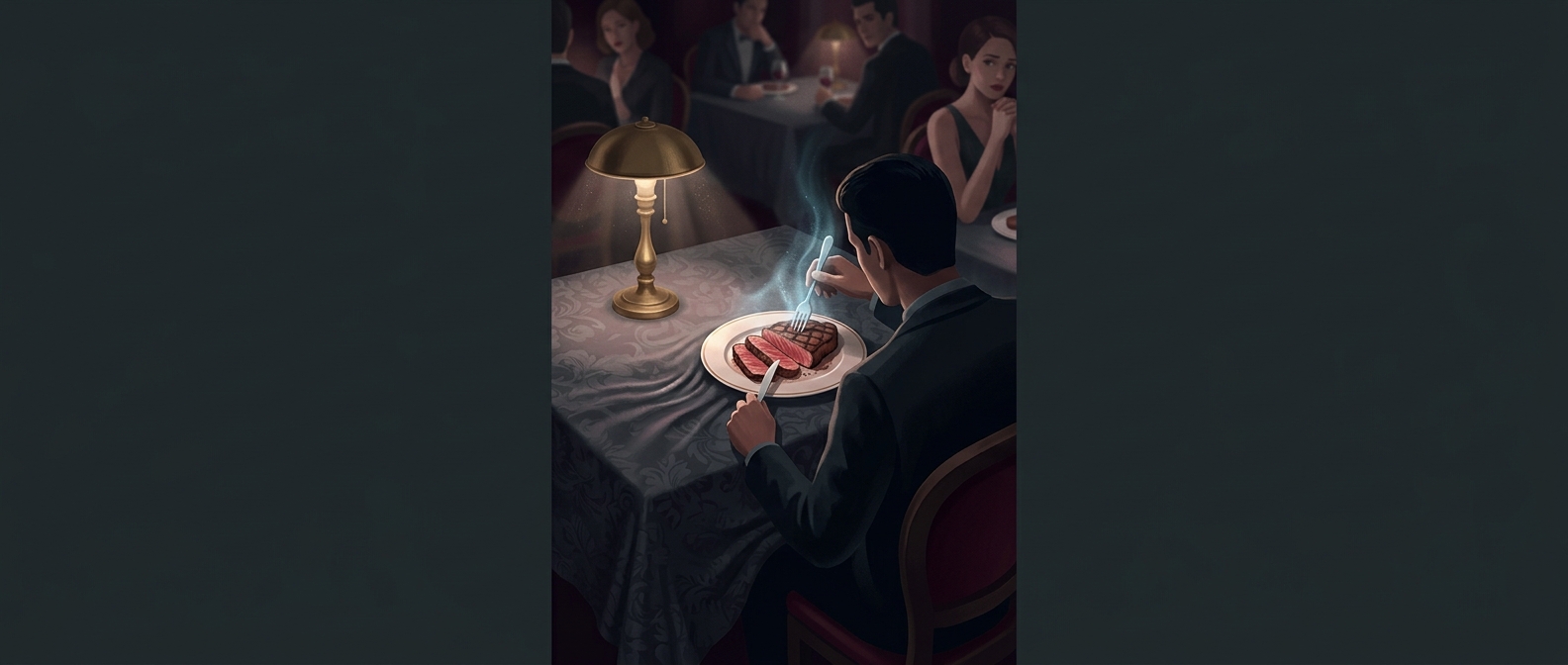
The announcement turns an exit into a new conversation
Saying “I should get going” is meant to signal a departure, but it also gives everyone a cue to respond. A host may ask whether you need anything, someone may bring up one last topic, and the group may revisit plans for next time. Each response is friendly; together, they postpone the moment when anyone actually moves.
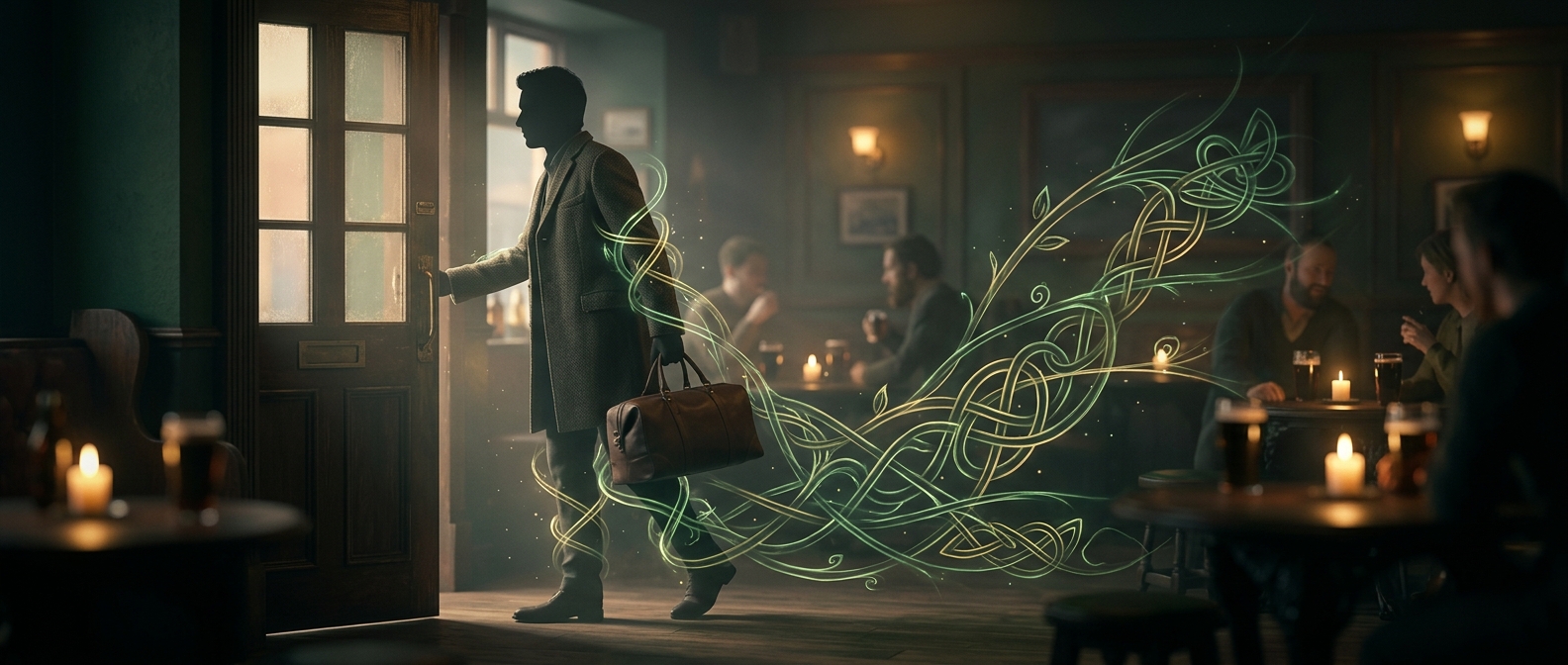
That is the joke in this version of an “Irish goodbye”: instead of slipping away unnoticed, the departing person announces the exit and gets caught in the farewell. The phrase is often used for leaving without a formal goodbye, so here the contrast is part of the humor.
The doorway becomes another stop
Once the conversation shifts toward leaving, it often migrates to the threshold. That’s a natural place to pause: coats and keys come out, people exchange final thanks, and the host can walk a guest to the door. But the doorway is not a clean boundary between gathering and departure. It is still close enough for everyone to keep talking.
Then the walk to the car can extend the goodbye again. Someone comes along, another question arises, or the conversation simply continues while both people are already headed in the same direction. The departure has started physically, but socially it has not quite ended.
Leaving is a sequence, not a single moment
The delay comes from several small, considerate acts stacking up—not necessarily from anyone trying to keep the guest there. A clear final cue, such as naming a concrete next step (“I’m heading out now—thanks for having me”), can make the transition easier. Without one, a goodbye can keep finding one more place to happen.