How Tap Water Becomes a Branded Product
When a bottler uses municipal water, it is buying water that has already been treated to meet public drinking-water standards. The company may then process it further—using methods such as filtration or reverse osmosis, which pushes water through a fine membrane to remove dissolved substances—and add minerals back to create a consistent taste. That processing can improve uniformity, but it does not make every bottle inherently safer or healthier than compliant tap water.
The transformation with the biggest commercial effect happens outside the treatment plant: the water is packaged, branded and made available where customers want it. Bottles, caps, labels, filling equipment, shipping and retail distribution all add costs. Yet the underlying water can remain a small part of the final price.
What the Price Is Really Buying
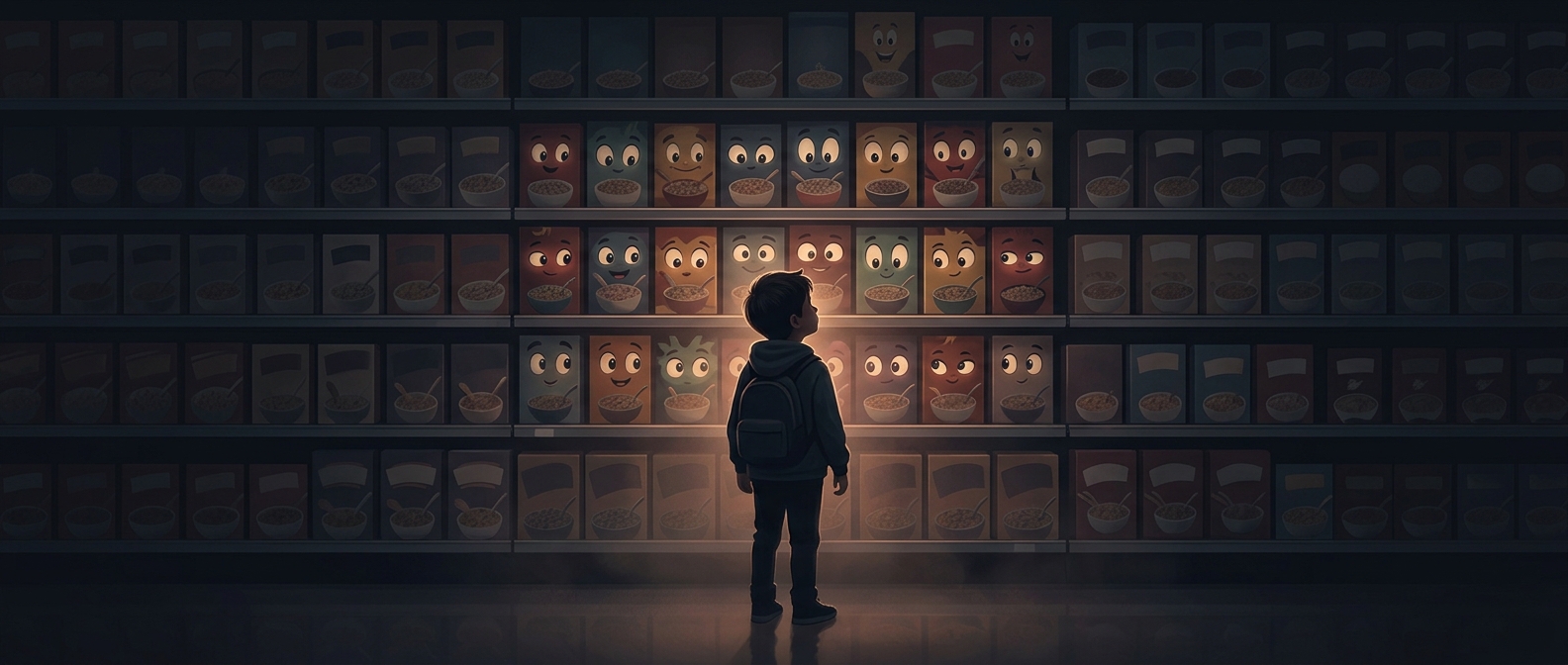
A bottle’s price reflects more than its contents. Customers are paying for a portable container, immediate access, and the convenience of buying a drink in a shop or vending machine instead of filling a reusable bottle at home. Companies also pay to build recognition and position a product as pure, refreshing or tied to a particular landscape. Those associations can make one nearly identical product feel more valuable than another.
This is why a large markup over the cost of municipal water does not mean the seller keeps the entire difference as profit. Packaging and transport are real expenses, and retailers take a share. But branding can support a price far above the cost of the water itself because buyers judge the finished product—not just its source.
The Tradeoff Behind the Bottle
For a customer, the premium may be worthwhile when safe water is inconvenient to access or a sealed container matters. At home, where treated tap water is readily available, much of the extra price may instead pay for packaging and convenience. The bottle’s most valuable ingredient may be the promise attached to it, not the water inside.