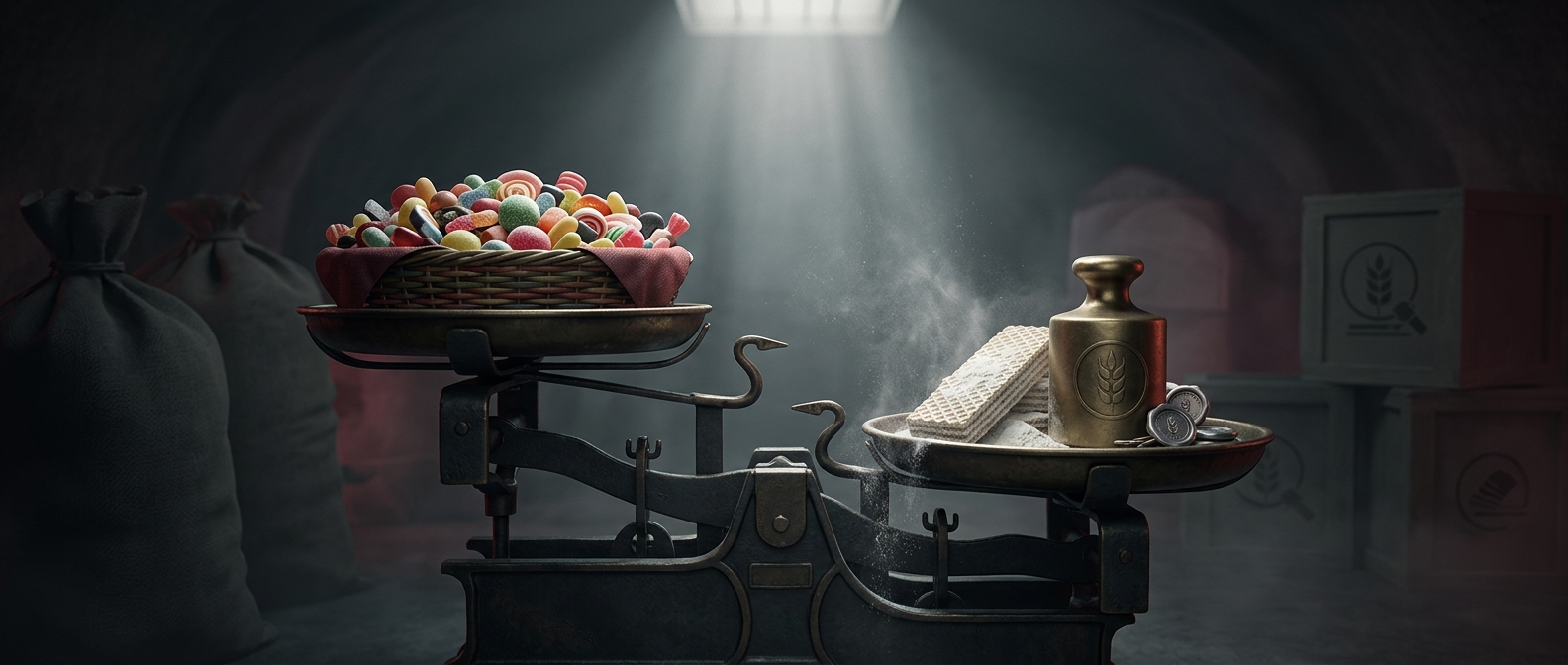
A recipe crossed Ireland’s tax line
Ireland’s bread tax break is not a general exemption for anything sold as bread. Under the rules at issue, bread qualifies for zero-rate VAT only if its ingredients stay within specified limits. One limit concerns sugar: sugar must make up no more than 2% of the flour’s weight.
Subway’s recipe exceeded that threshold. The Irish Supreme Court therefore ruled that the rolls did not qualify for the bread exemption. The key comparison was not sugar as a share of the finished roll, but sugar measured against the flour used to make it.
A tax definition, not a nutrition verdict
That distinction explains the headline’s apparent oddity. The court did not declare Subway bread to be cake, or make a broad judgment about whether it is healthy. It applied a technical definition used to decide which foods receive a tax advantage. A product can be called bread in everyday life and still fall outside the legal category that gets zero-rate VAT.
The rule draws a boundary around a tax benefit intended for qualifying staple foods. Once a recipe passes that boundary, its familiar name does not settle its tax treatment; its ingredients do. In this case, a relatively small detail in the recipe had a practical consequence: Subway could not claim the bread tax break for those rolls.