Shang Tsung’s Youth Is Borrowed From His Victims
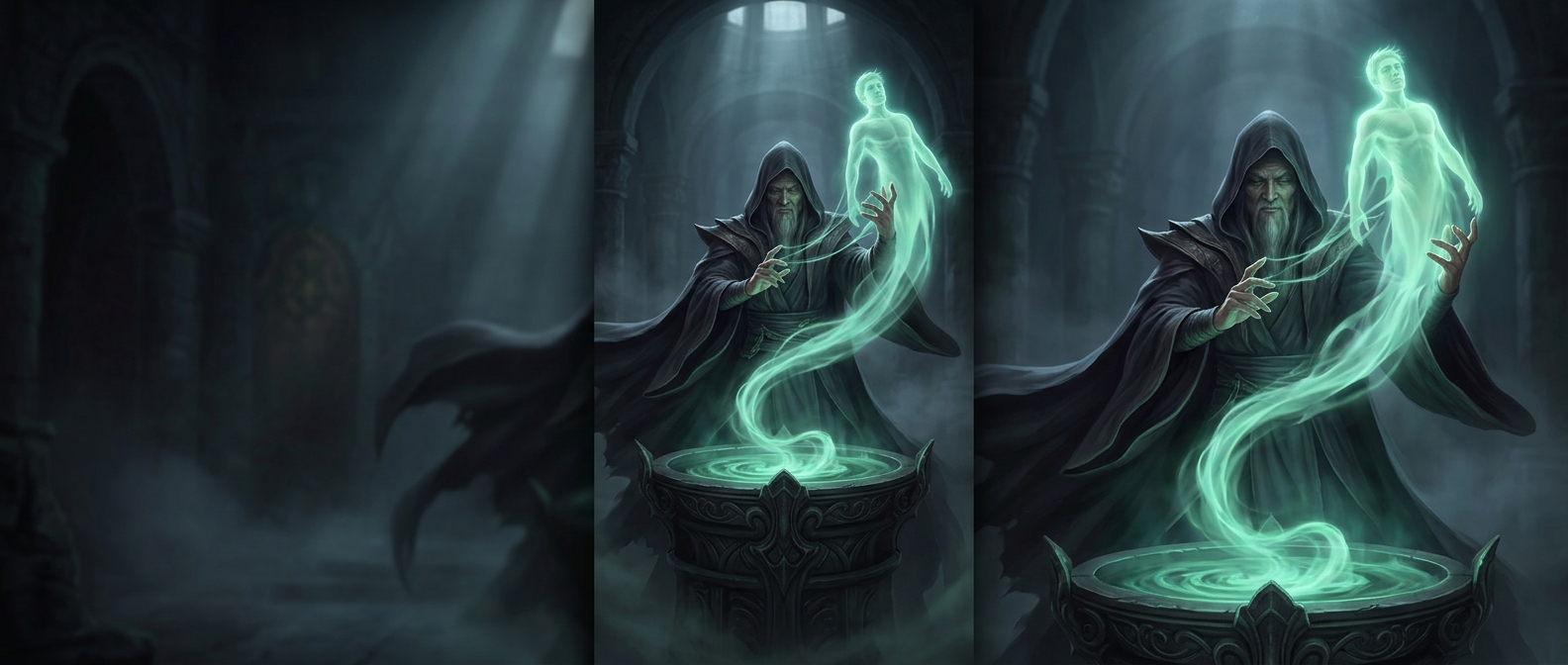
In Mortal Kombat, Shang Tsung’s soul-stealing is more than a gruesome finishing move: it is the sorcerer’s way of keeping age at bay. He takes the life force bound up in a defeated fighter’s soul and uses it to sustain himself. The bargain is stark—his continued youth depends on other people losing their lives.
That makes his apparent vitality a sign of dependence, not health. He does not simply possess a lasting fountain of youth; he must keep finding new victims to replenish what he has taken. The practice turns every defeat into fuel for the next threat.
A Villain’s Power Becomes Part of the Game
The idea also gives Shang Tsung a distinctive place in the series’ conflicts. A victory over him can feel temporary if he can draw strength from those he defeats, while his hunger for souls gives his sorcery a personal cost. The games make that cost visible through the act of draining a defeated opponent, translating an abstract supernatural power into a direct consequence.
Details of his abilities and presentation vary across Mortal Kombat installments, but the core image endures: Shang Tsung’s youth is maintained at someone else’s expense. His smooth appearance is not evidence that he has escaped aging—it is evidence that another fighter has paid for it.