The body has to warm the water
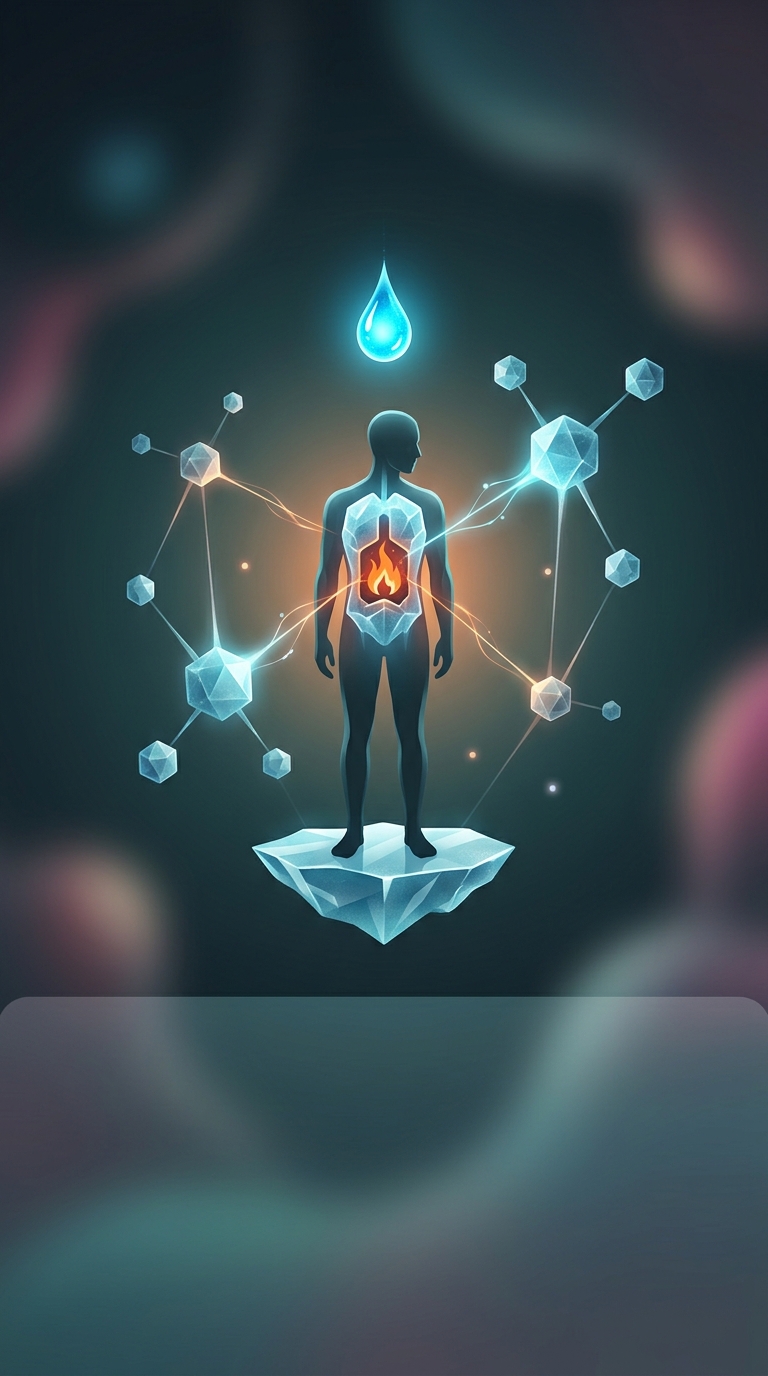
Water entering the body colder than body temperature absorbs heat as it warms. That heat has to come from somewhere, and some of it ultimately comes from the energy the body uses. The colder the water—and the more of it you drink—the more heat it can absorb.
The scale is small. As a rough physics estimate, warming half a liter of water from 5°C (41°F) to 37°C (about 99°F) takes about 16 food Calories. That is the heat required to warm the water, not a guarantee that your body will burn exactly 16 extra Calories: the body regulates its temperature in several ways, and not all heat exchange translates neatly into extra metabolic energy use.
Why it makes little difference
The temperature gap is the key. Room-temperature water is already much closer to body temperature, so it absorbs less heat; ice-cold water absorbs more. But even in the colder case, the extra energy involved is modest compared with the energy used in everyday life. Drinking cold water can slightly increase the body’s heat-handling work, but it does not turn hydration into a meaningful calorie-burning strategy.
The memorable part is the physics: cold water borrows a little heat from your body as it warms up. The amount is real in principle, but too small to make water temperature a practical weight-loss lever.