Why an Astrology Reading Can Feel Uncomfortably Specific
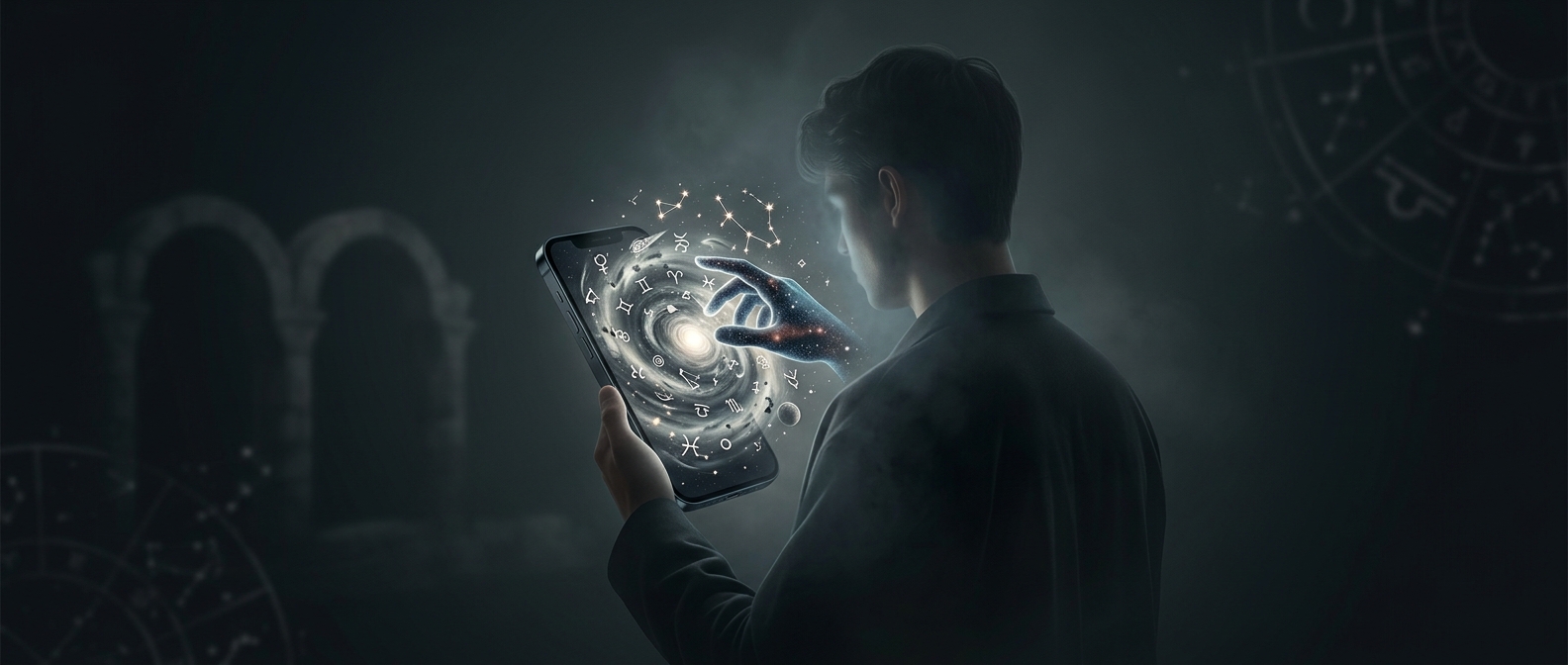
A horoscope can seem to know more than a birth chart if the app has learned about the person using it. Astrology apps may ask for a birth date, time, and place, but they can also collect details users enter into profiles, quizzes, journal prompts, or daily check-ins. Depending on the app and its permissions, device data may offer additional clues about when or how someone uses it. That does not prove an app is secretly tracking a particular routine; it explains how a reading might draw on more than the stars.
Personalization Turns Clues Into a Story
An app can use information a person supplies—such as a relationship concern or mood—to choose which themes to emphasize. Even without a detailed personal profile, a reading can feel tailored by pairing broad language with a timely prompt: a note about communication may land differently on a day when the user is already worried about a conversation.
The effect is also shaped by attention. People tend to notice interpretations that fit what is happening and remember them more vividly than ones that miss. A prediction that connects with a real concern can therefore feel like evidence of unusual insight, even when it reflects a mix of general wording, user-provided context, and coincidence.
The Feeling of Being Seen Can Bring Users Back
When a reading feels personal, a user may return for another one, provide more details, and receive increasingly relevant prompts. This creates a feedback loop: more engagement can give an app more opportunities to tailor its content, while the tailored content can encourage more engagement. The uncanny part may come not from a chart alone, but from the way personal data, familiar concerns, and a well-timed interpretation meet.