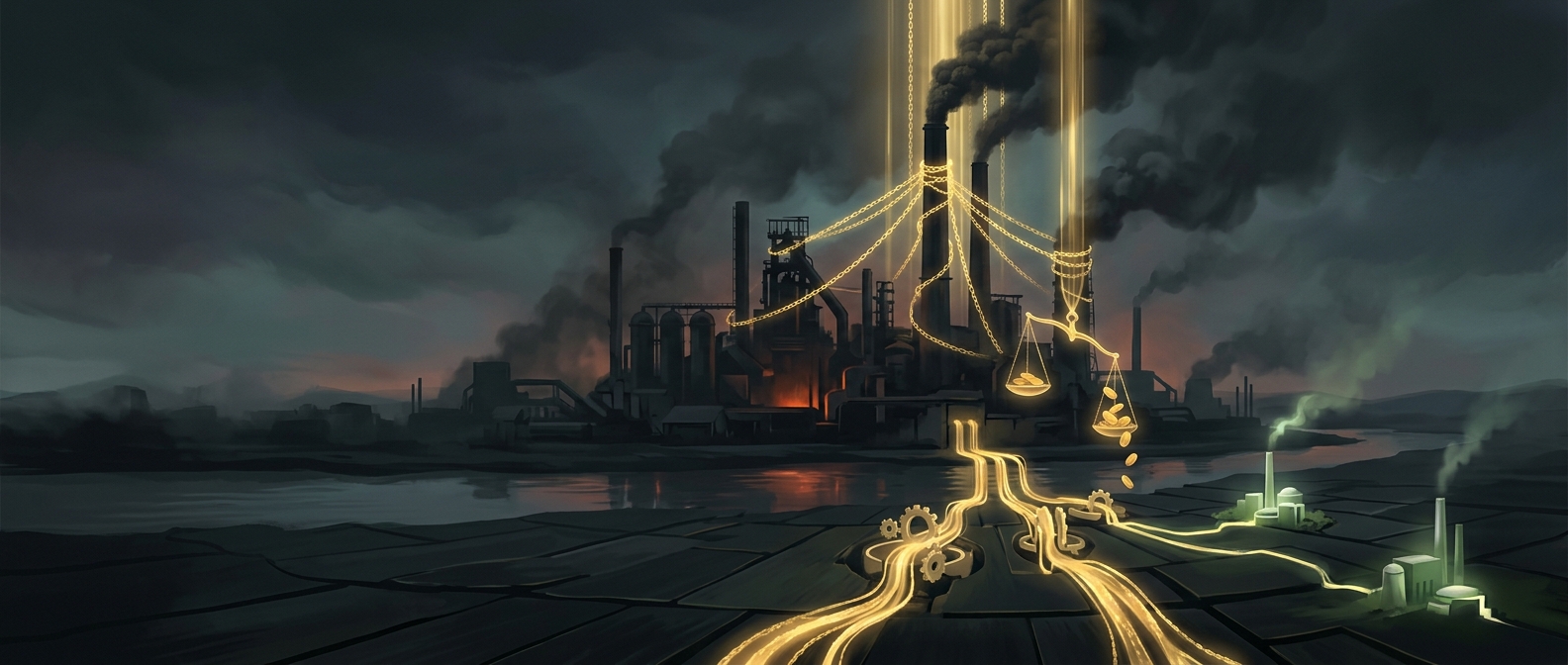
Why an empty lot can become expensive to hold
A land-value tax is assessed on the site itself, apart from the buildings or other improvements on it. That distinction changes the owner’s calculation: putting up a building does not, in principle, increase the tax bill simply because the property has been improved. The charge instead reflects the value of the underlying location—such as its access to jobs, customers, roads, and public services.
If a lot is valuable because others could use it, its owner faces a recurring cost even while it produces no rent or other income. Waiting for prices to rise is no longer costless. The owner may decide to develop the site, lease it, or sell it to someone prepared to put it to use. A buyer who can earn income from the location may be willing to pay more than an owner who is simply holding it.
The incentive has limits
The tax does not make construction automatically profitable. A project still has to cover its building costs and attract tenants or buyers. Zoning rules, financing, construction costs, and demand can all prevent a site from being developed, even when its tax bill is substantial. In those cases, the charge can strain an owner without producing a new building.
The key design choice is what gets taxed: a levy on the land’s value alone treats an empty parcel and an improved one differently from a conventional property tax that also taxes buildings. By making the location costly to leave idle while avoiding an added tax penalty for improving it, a land-value tax aims to shift the owner’s choice from “How long can I wait?” toward “What use can this site support?”