How a 1947 report became Roswell’s signature story
The festival’s appeal begins with a confusing episode, not a confirmed crash of an extraterrestrial craft. In 1947, debris found on a ranch near Roswell, New Mexico, drew attention after the Army briefly described it as a “flying disk.” The military soon changed its account, saying the material came from a weather balloon. Decades later, the Air Force said it was associated with a classified balloon program designed to detect distant nuclear tests.
That sequence left room for suspicion: an arresting announcement, a rapid correction, and an explanation that involved secret military work. As UFO stories spread, Roswell became the name most closely attached to the idea that the government had recovered an alien vehicle. The enduring claim is part of the town’s cultural story, not proof that aliens landed there.
Turning mystery into a local gathering
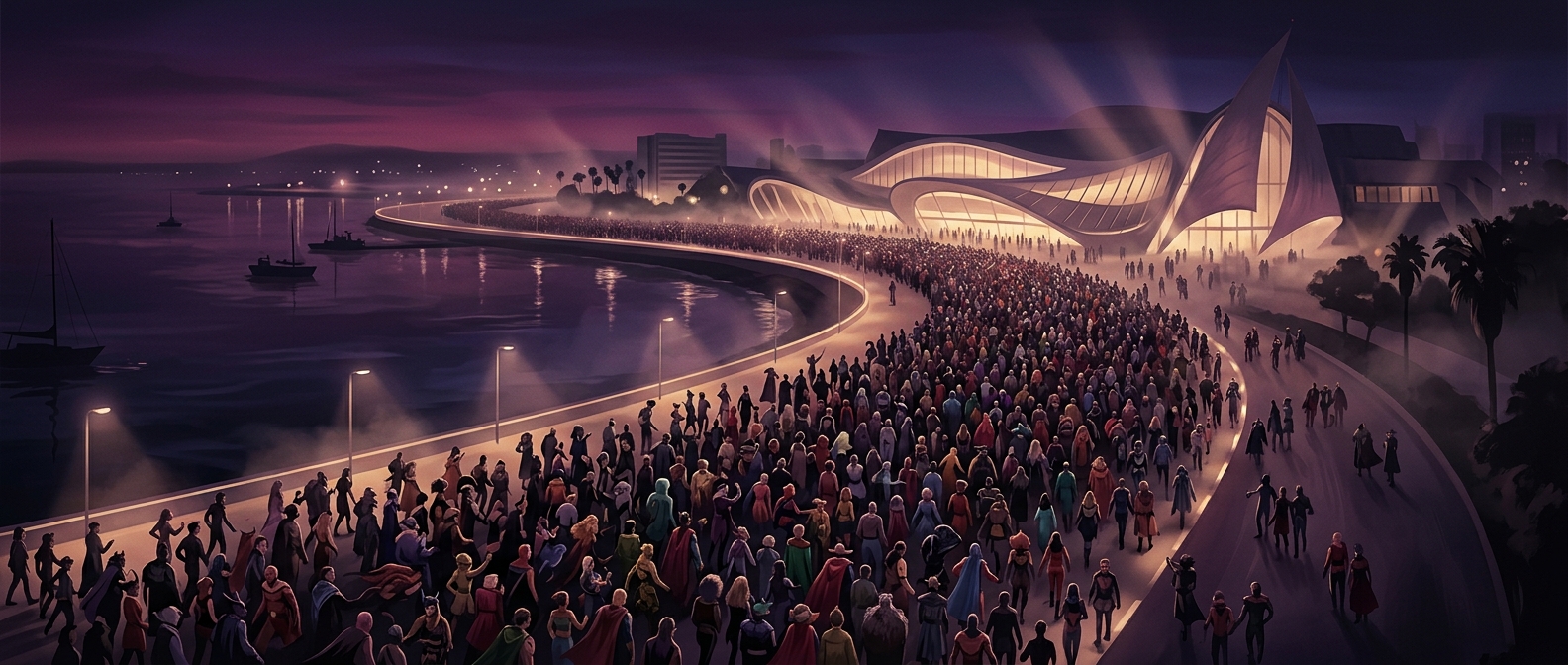
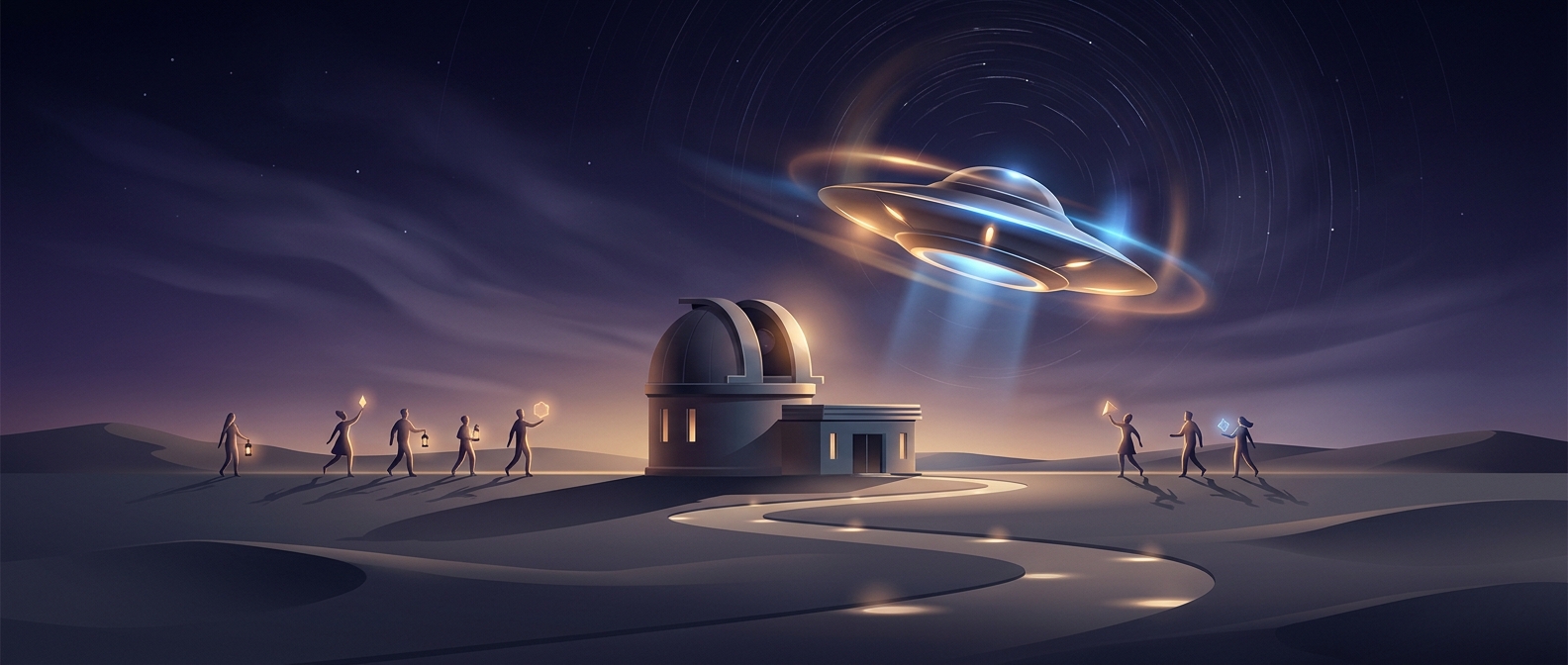
The festival makes that story tangible. Visitors can dress as aliens, wear playful tinfoil hats, and take part in a public celebration of a mystery that has outlasted its original news cycle. The costume is a wink at the familiar image of people trying to shield their thoughts from extraterrestrials; it lets attendees join the legend without needing to settle what happened in 1947.
For Roswell, the tale is also a distinctive way to welcome visitors. A remote military explanation may close one chapter of the investigation, but it cannot erase the story’s place in popular culture. Each summer, the festival turns that unresolved feeling into a shared spectacle: the old question becomes something people can wear, joke about, and experience together.