Why “wasabi” often starts with horseradish
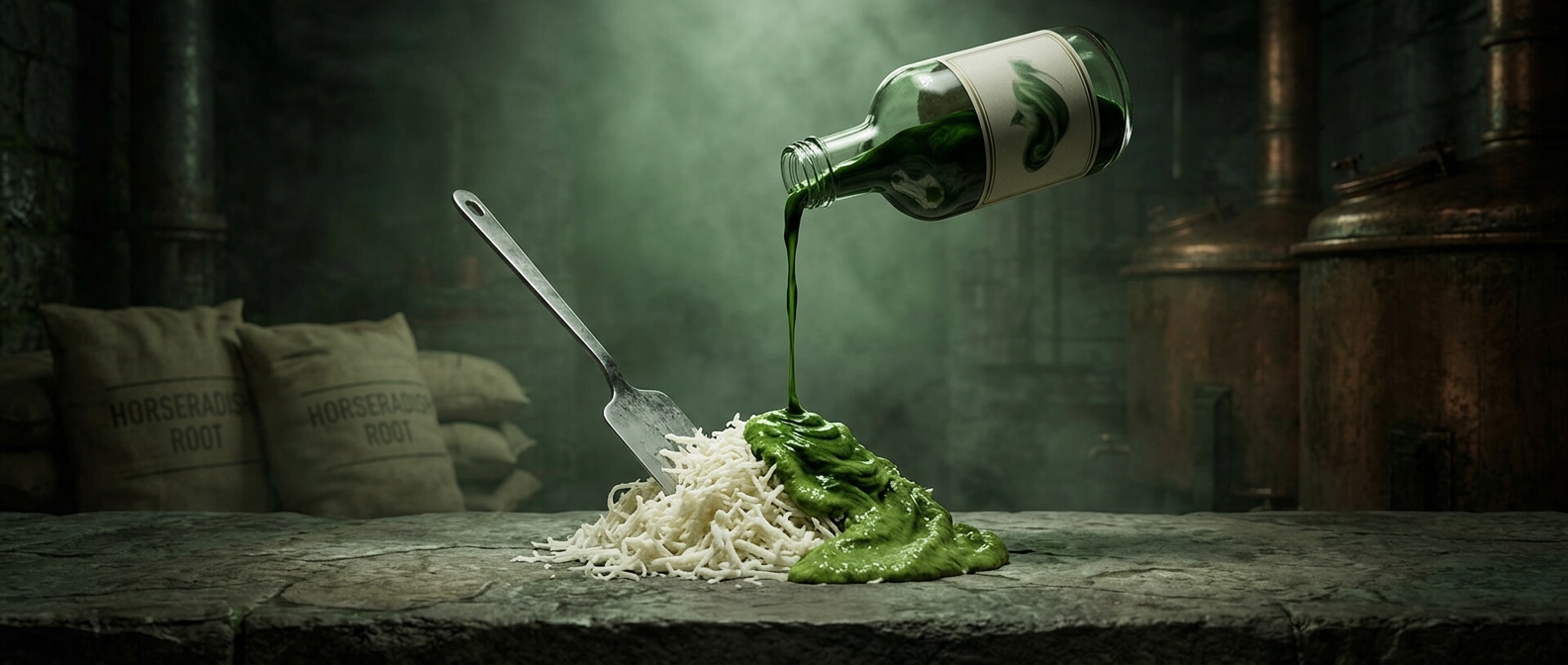
The green paste served with sushi is frequently a wasabi-style substitute: horseradish supplies the sharp, nose-tingling heat, while mustard can add more pungency and green coloring makes the mixture resemble wasabi. The ingredients vary by product, so the label—not the color—is the best clue to what is in the tube or packet.
The plant is harder to supply
True wasabi comes from Wasabia japonica, a plant whose stems are grated into a fragrant, spicy paste. It is fussy to grow commercially: it does best in cool, clean, flowing water over gravel, conditions that are difficult to reproduce at scale. The plant also takes time to mature, tying up growing space and labor before it can be harvested.
That creates a practical mismatch at the sushi counter. Restaurants need a convenient, consistent accompaniment in quantity; fresh wasabi is more demanding to grow, handle, and serve. Horseradish is a more accessible source of similar sharpness, and it can be processed into a paste that is easier to store and portion.
A difference you can taste—and read about
Freshly grated wasabi tends to have a more delicate, fleeting aroma than the forceful burn of a horseradish-based paste. Its flavor fades after grating, which is one reason it is commonly prepared close to serving rather than kept as a ready-made condiment. The substitute preserves wasabi’s familiar role—adding a quick, sinus-clearing kick—without requiring the restaurant to source and prepare the more demanding plant.