Why a Whistle Could Feel Like an Invitation
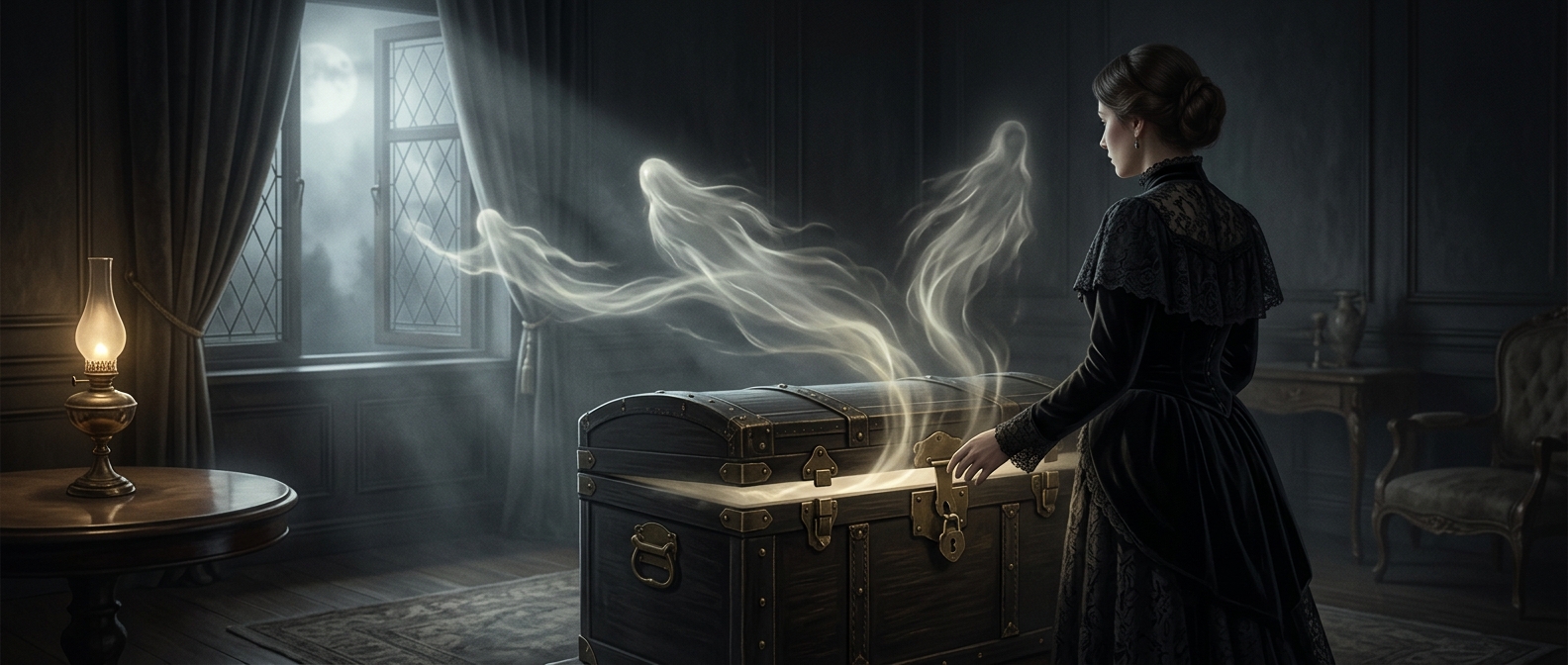
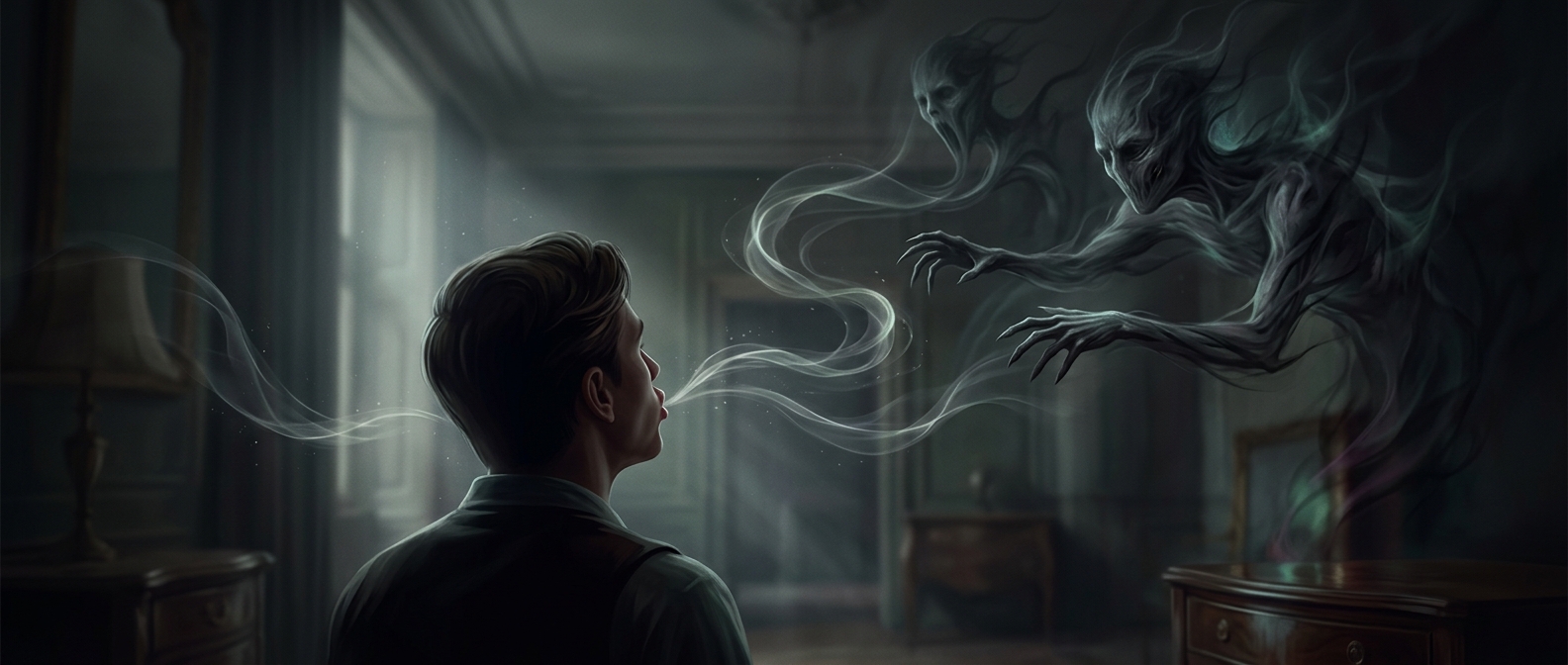
In theatrical and maritime folklore, an indoor whistle was more than an ordinary human sound: it could be heard as a call answered by something unseen. The belief cast malicious spirits as listeners that communicated in shrill tones, making a whistle seem less like harmless noise than an opening for a reply.
That idea gives the taboo its particular edge. A sudden sound in an enclosed room or below deck can be difficult to locate; it may seem to come from elsewhere, even when a person made it nearby. Folklore turned that uncertainty into a story about presence and response: whistle, and something might answer.
The Sound of a Call—and an Answer
Whistling is distinctive because it carries clearly through spaces where speech may not. In a theater or aboard a vessel, a thin, sharp note can cut across other noise. The same quality that makes it noticeable also makes it easy to imagine as a signal. In the folklore, spirits’ supposed use of shrill sounds blurred the line between a human whistle and a supernatural one.
The belief is best understood as a tradition about danger and interpretation, not evidence that whistling summons spirits. Its memorable warning rests on a simple exchange: make a sound in a place where you cannot easily see or identify its source, and an unseen presence may seem to answer. That is why the taboo could turn an ordinary whistle into an act with imagined consequences.