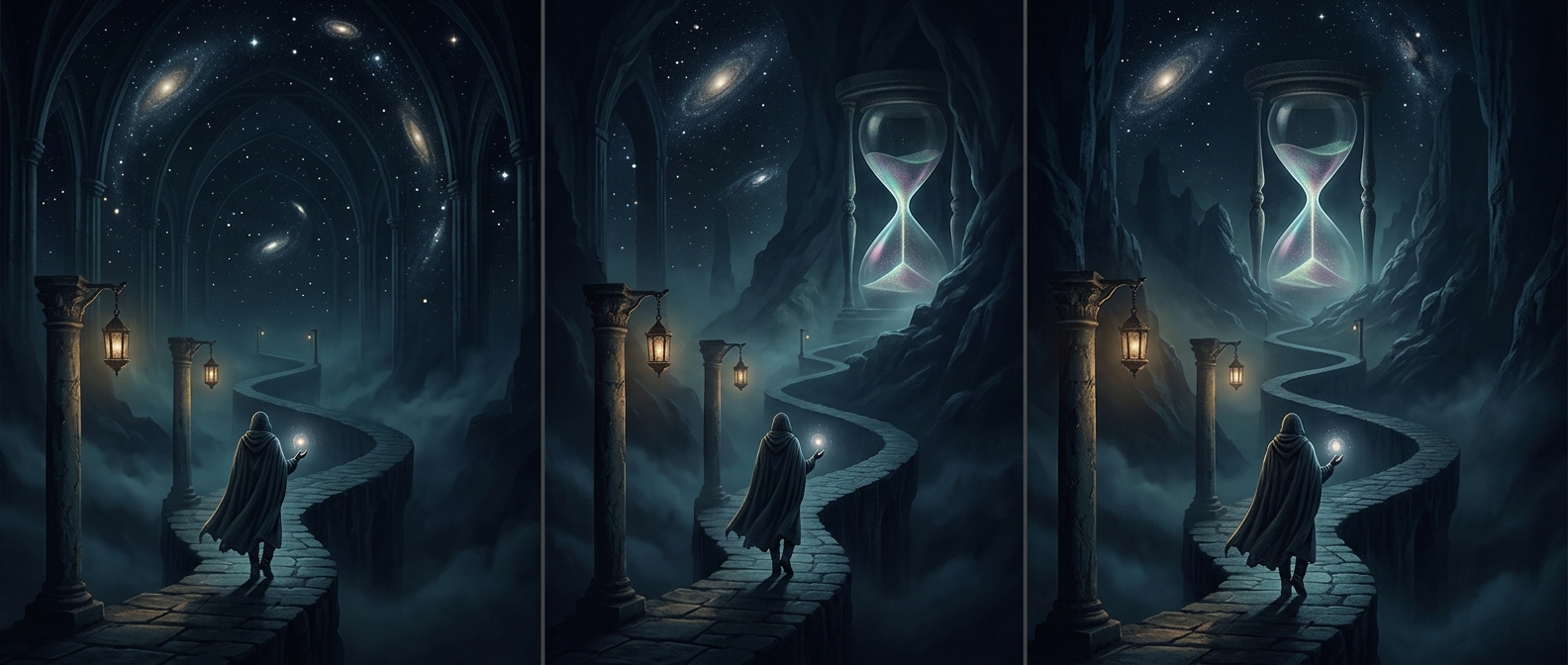
What a “dark night” means in mystical writing
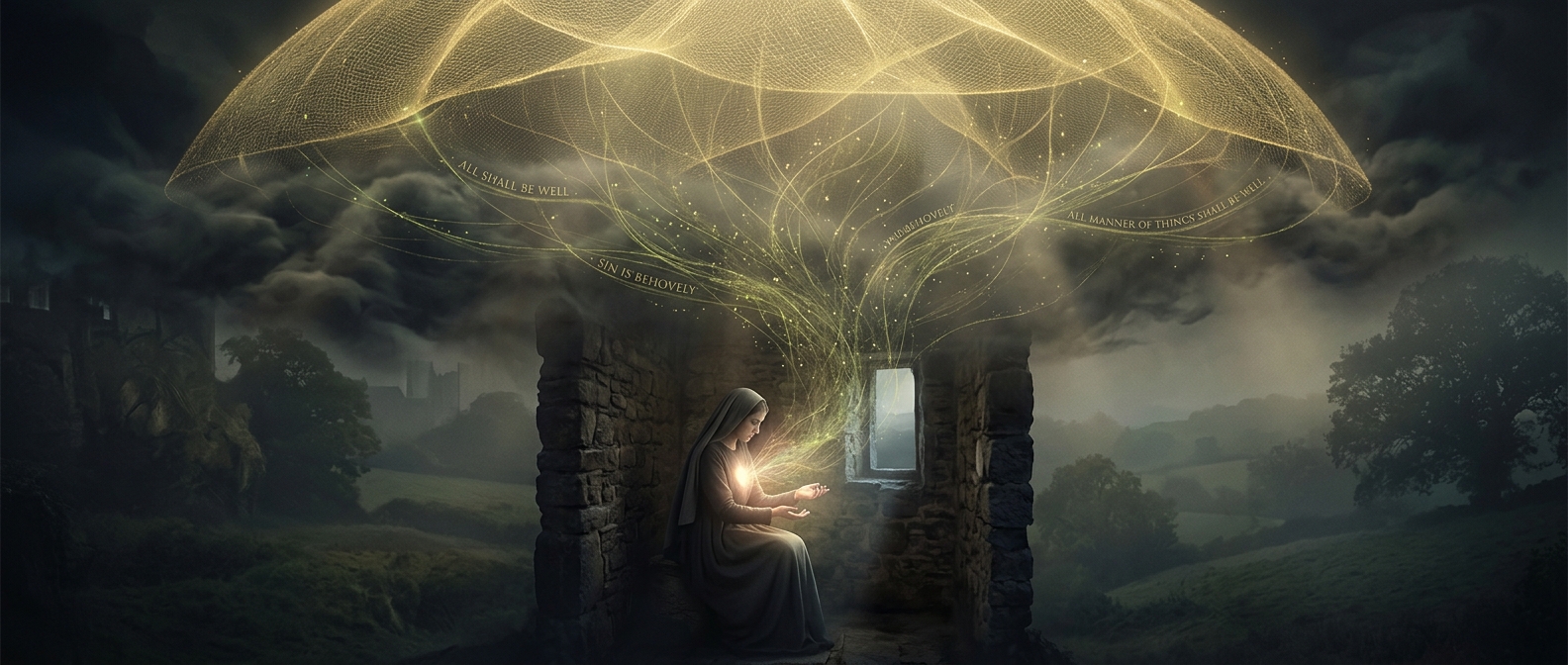
In Christian mysticism, a “dark night” is a metaphor for a prolonged period when prayer and spiritual life feel empty or painful. The phrase is especially associated with the writings of the sixteenth-century Spanish mystic John of the Cross. It does not mean literal darkness, and it is not simply a bad day or a passing doubt.
Why the experience can seem to last for years
Mystical accounts describe the struggle as a drawn-out change in a person’s inner life. Practices that once brought comfort may stop doing so; familiar beliefs can feel distant, while uncertainty and a sense of spiritual absence persist. In this tradition, that loss of consolation is interpreted as part of a difficult movement toward a less dependent, more enduring form of faith—not as proof that the person has been abandoned.
The “years” in such accounts point to the scale of the ordeal, not a fixed timetable. Writers describe spiritual experience through personal testimony and religious interpretation, so the duration and meaning are not a standard measure that applies to everyone.
A crisis measured by its meaning
The striking feature is the reversal: what had once felt like evidence of closeness to God can disappear, leaving the person to continue without that reassurance. That is why mystical accounts treat the dark night as more than ordinary sadness. Its defining hardship is the persistence of spiritual absence—and the effort to remain faithful through it.