Growth happens beneath the scalp
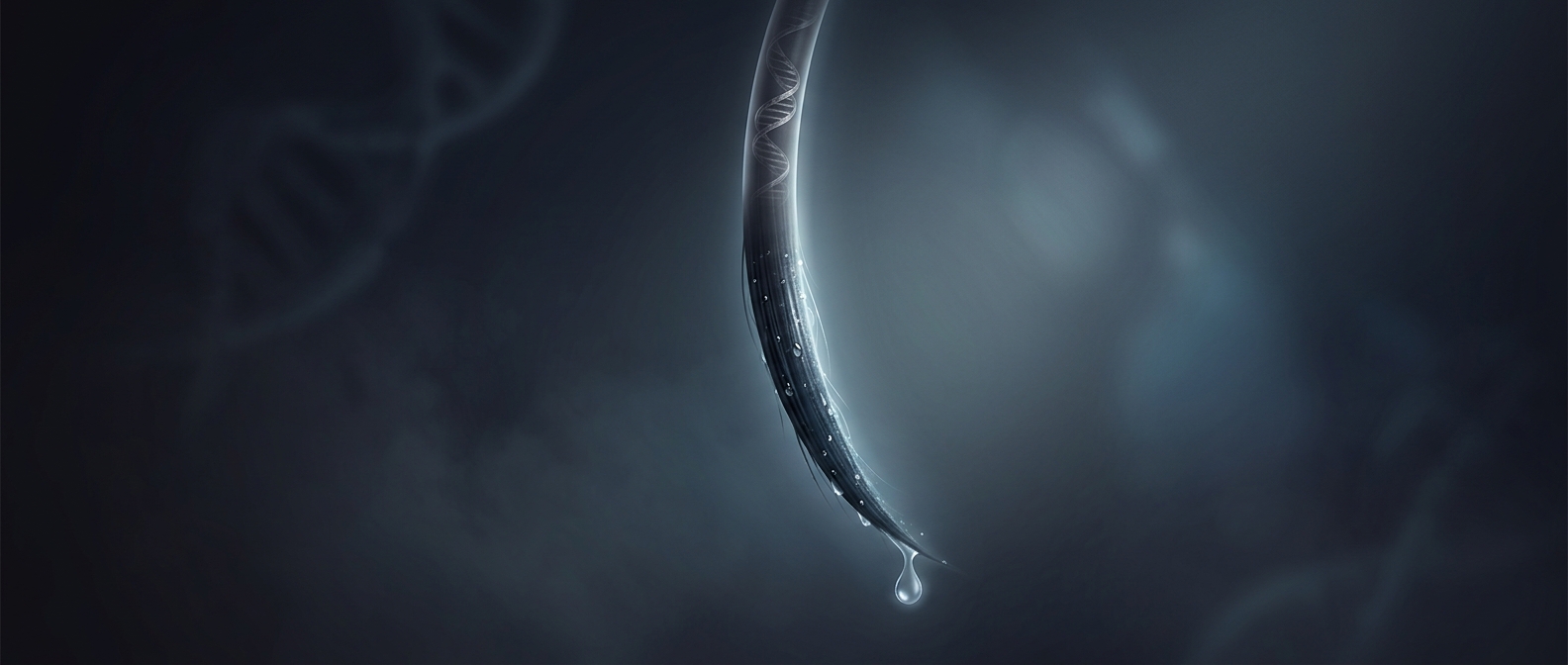
A hair strand is built inside a follicle, a small pocket in the skin. At its base, cells multiply and move upward. As they go, they fill with keratin—the tough protein that makes up hair—and eventually die. The compacted cells form the shaft we can see. That is why cutting the exposed strand cannot signal its root to grow faster: the shaft is not living tissue.
Each follicle follows its own schedule
Scalp hair spends years in an active growing phase, but follicles do not all start or stop together. After growth pauses, a strand may shed and the follicle can begin a new cycle. This staggered timing is why people do not lose all their hair at once—and why daily shedding is part of normal turnover.
The familiar yearly estimate describes new length, not necessarily how much longer hair will look. Breakage can erase some of that gain, while the length of the active growth phase helps determine how long a strand can become before it sheds. A trim can remove damaged ends and make hair look neater, but it does not change the cycle operating below the skin.