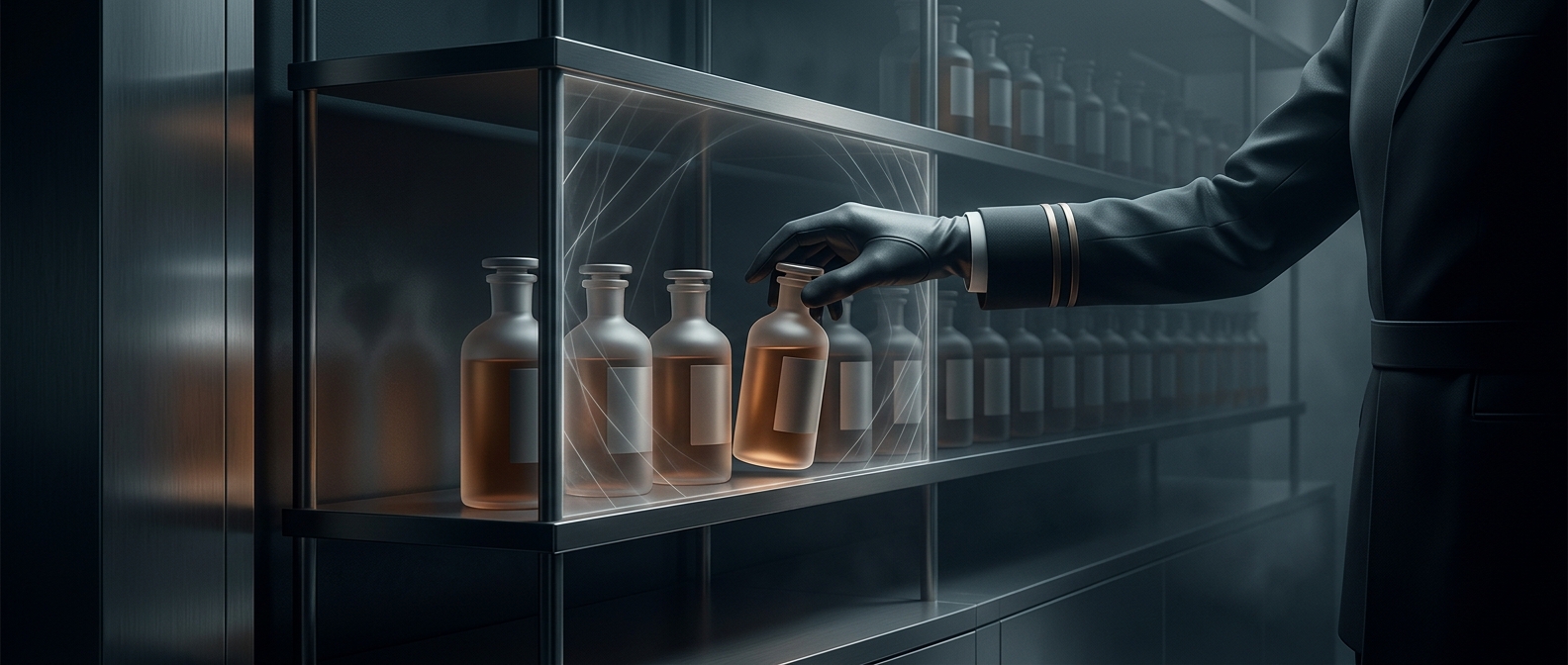
Why a cold medicine is kept behind the counter
Pseudoephedrine is a decongestant: it narrows swollen blood vessels in the nasal passages, making it easier to breathe. But the same molecule can also serve as a chemical starting point in the illicit production of methamphetamine. That dual use is why buying it is treated differently from picking up many other nonprescription medicines.
The limit targets supply, not symptoms
In the United States, sales rules generally require pharmacies to keep pseudoephedrine products behind the counter, check a buyer’s identification, and record purchases. Limits apply across products containing the ingredient, rather than allowing someone to buy up large quantities by choosing different brands. Exact limits and procedures can vary by law and location.
These checks do not assess whether a customer has a cold or how severe it is. They are meant to make repeated or unusually large purchases harder, reducing the amount of a useful precursor that can be diverted into illegal drug production. The restriction acts at the retail point, before the medicine enters a chain of supply that could be misused.
A public-safety tradeoff at the pharmacy
The policy creates friction for ordinary customers, too: a person seeking relief may need to ask a pharmacist, show identification, and remain within purchase limits. That inconvenience is part of the tradeoff. The medicine remains available without a prescription in many places, while sales are monitored more closely than those of ordinary cold remedies.
The distinction is easy to miss: the cap is a safeguard on access to a dual-use chemical, not a judgment about the buyer’s health or intentions.