When a New Face No Longer Matches the Photo
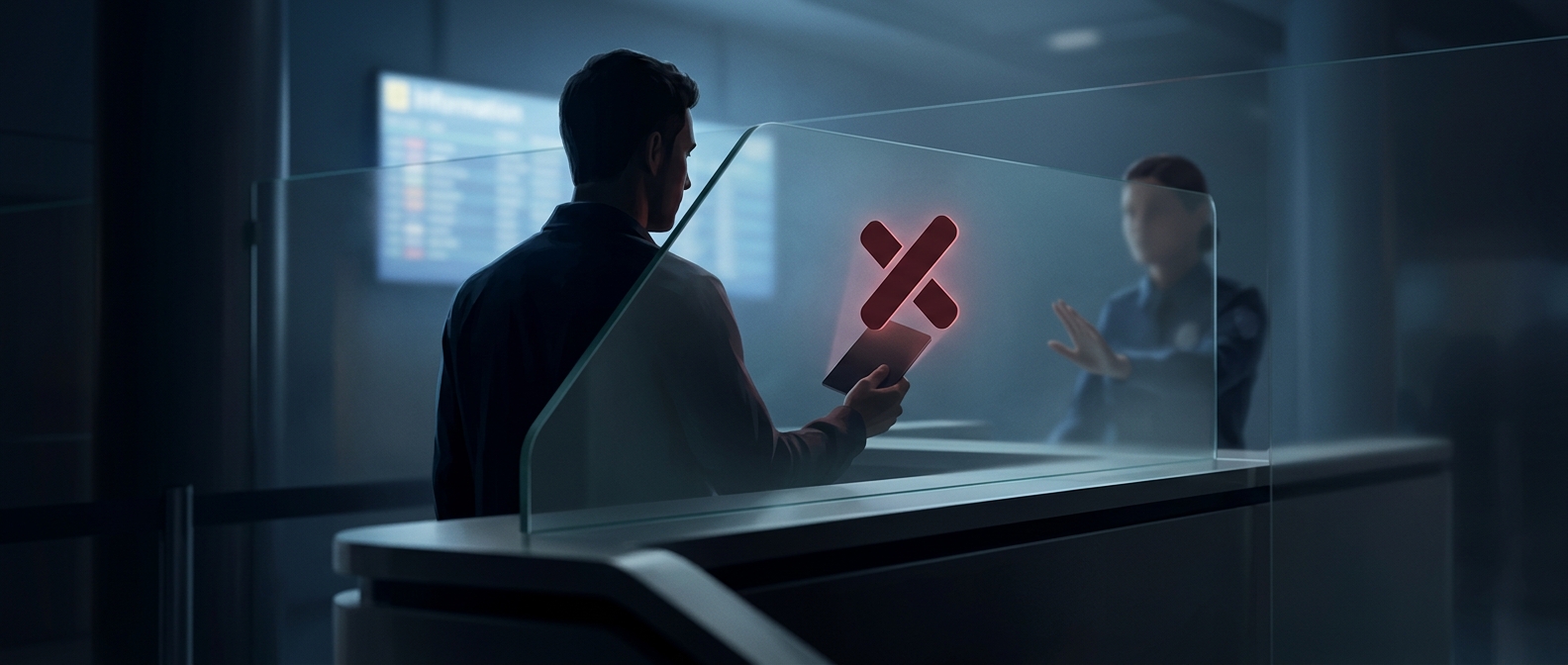
An identity document works as a comparison tool: an officer checks whether the person presenting it resembles the photograph and whether the document appears genuine. A major change—such as facial tattoos, extensive reconstructive surgery, or another lasting alteration—can make that comparison less straightforward, even when the document is valid and belongs to its holder.
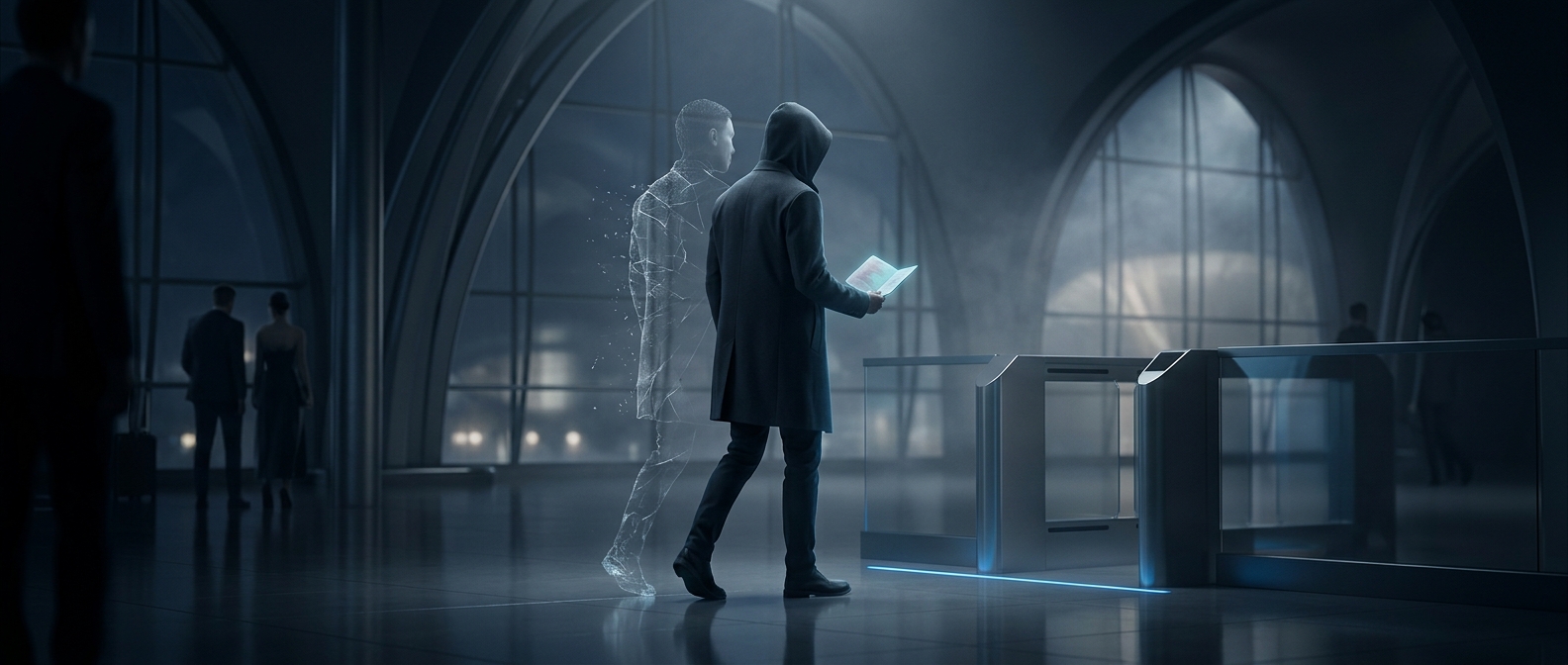
The difficulty is practical, not simply cosmetic. Staff may need to distinguish a genuine change in appearance from a mismatch that warrants closer checks. Automated gates also compare facial features with the stored image, and a substantial difference can prevent a quick match. That may mean additional questions or a manual review rather than an automatic refusal of travel.
Check Before You Travel
Document rules differ by country and by document type, so a significant change does not automatically mean every ID must be replaced. The relevant issuing authority can explain whether the existing photo remains acceptable or whether a new document is needed. Checking before a trip is more useful than discovering a mismatch at an airport, border crossing, or other checkpoint.
If an update is required, allow time for the issuing process and use the authority’s current photo instructions. The practical goal is simple: make the image a reliable picture of the person who will present the document, so identity checks do not depend on explaining a transformation at the counter.