Why a Child’s Passport Has a Shorter Life
A passport is useful only if officials can connect the document to the person holding it. At a border, an officer may compare the traveler’s face with the photograph, checking the overall shape and the placement of features such as the eyes, nose, and mouth. A child’s face can change enough over a few years that an accurate old picture becomes a less reliable match.
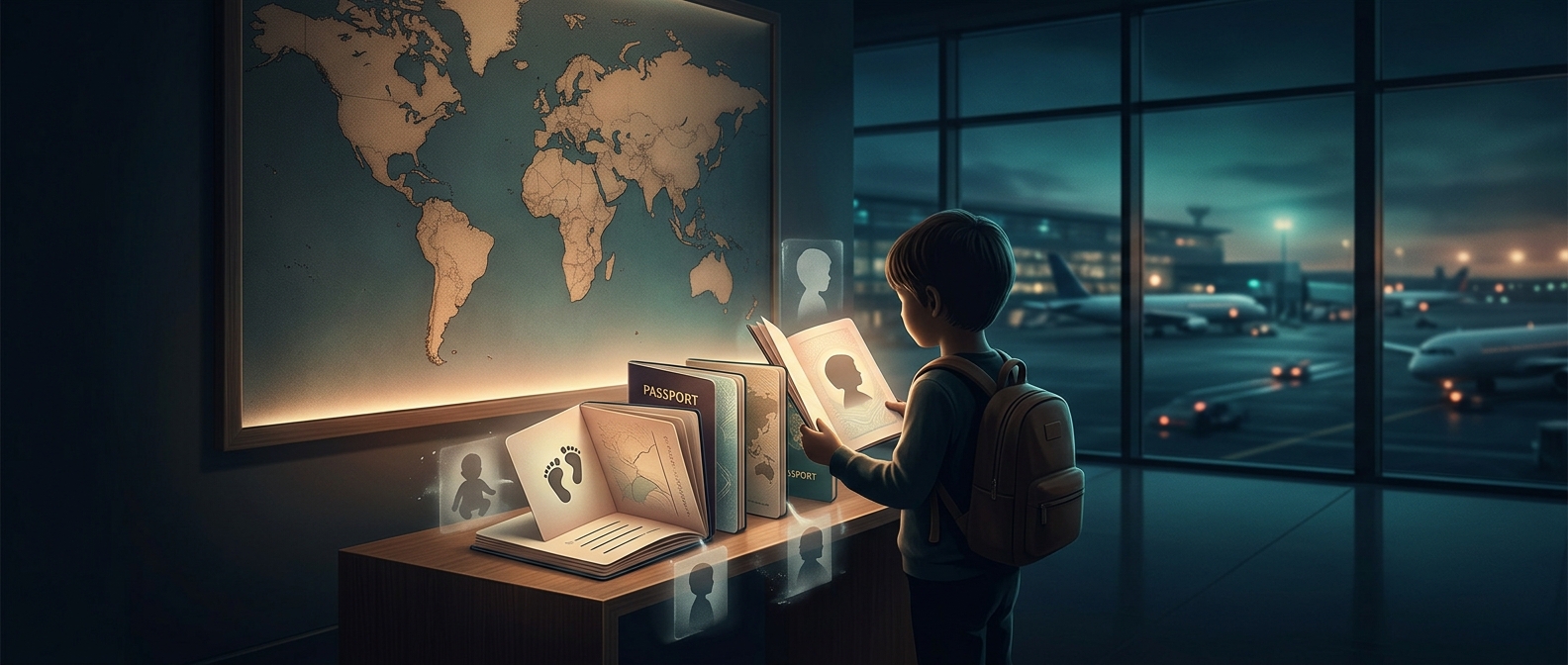
The issue is especially noticeable in young children: cheeks, jawlines, and facial proportions shift as they grow. The passport’s expiration date therefore limits how long officials must rely on a photograph made during a rapidly changing stage of life.
The Practical Cost of Growing Up
In the United States, passports issued to children under 16 are generally valid for five years, rather than the longer period given to adults. That means families need to plan for a replacement even when the child has not lost the document and it looks perfectly intact. The booklet’s condition is not the point; the likeness inside it may no longer be current.
For a family planning a trip, the useful detail is that a child’s passport can become unsuitable for travel simply because the child has grown. Checking its expiration date—and allowing time to obtain a replacement—helps avoid discovering the mismatch just before departure.