How Passport-Page Perforations Expose a Swap
A passport’s visa pages are useful precisely because they are easy to fill with stamps and visas—and tempting to tamper with. Someone trying to make a stolen or altered passport appear legitimate might remove a page bearing an important visa and insert a page from another booklet.
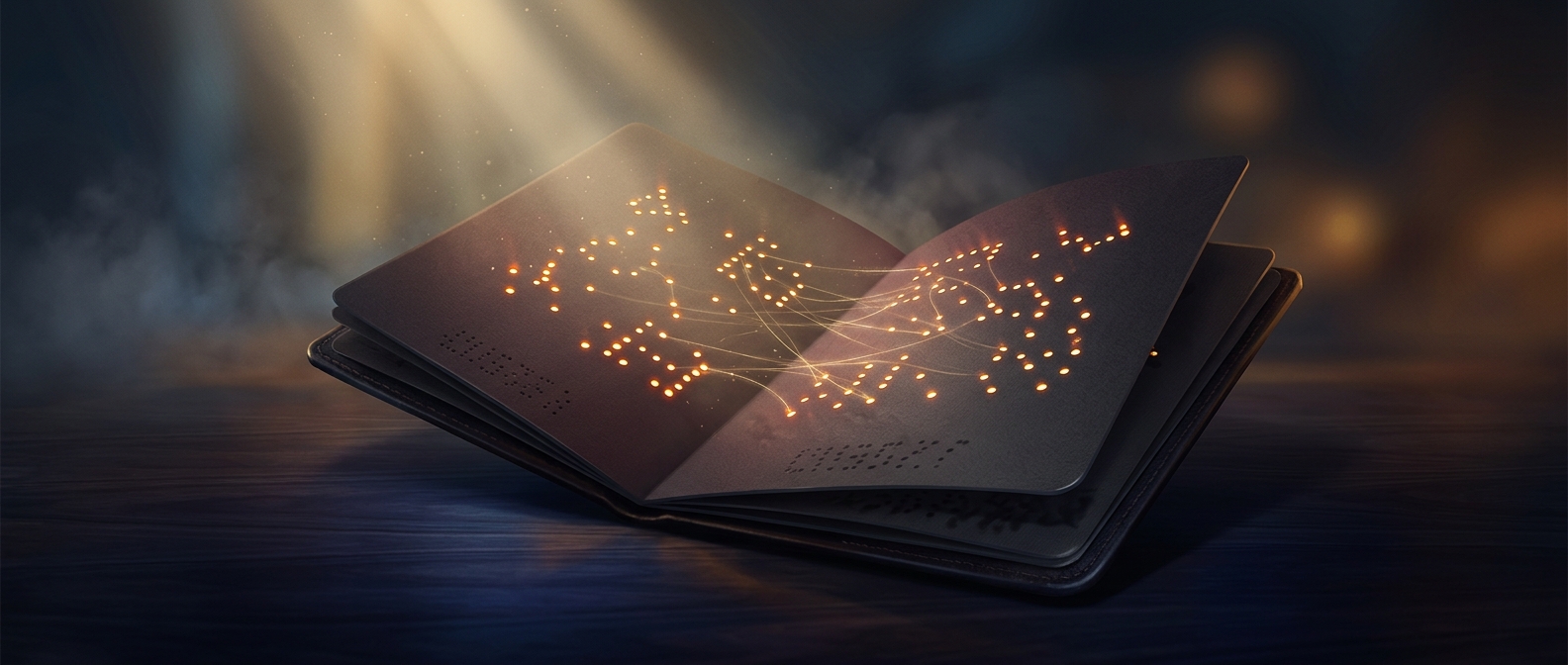
Many passports make that substitution harder by perforating the passport number through the pages. The tiny holes form a pattern tied to that particular document, rather than an ordinary printed number that can be copied onto replacement paper.
The Booklet Becomes Its Own Check
The holes pass through the stacked pages, so their positions can be compared from one page to the next. If a page is cut out and replaced, its perforation pattern may not line up with the booklet’s pattern. Removing a page can also leave visible damage around the binding or edges.
That does not make tampering impossible: a determined forger might try to imitate the holes or conceal damage. But the perforations add a physical clue that a border officer or document examiner can check, alongside the passport’s other security features. A visa page is therefore not just a loose surface for stamps; it is part of a booklet whose pages carry evidence of belonging together.