A banking menu in an ancient language
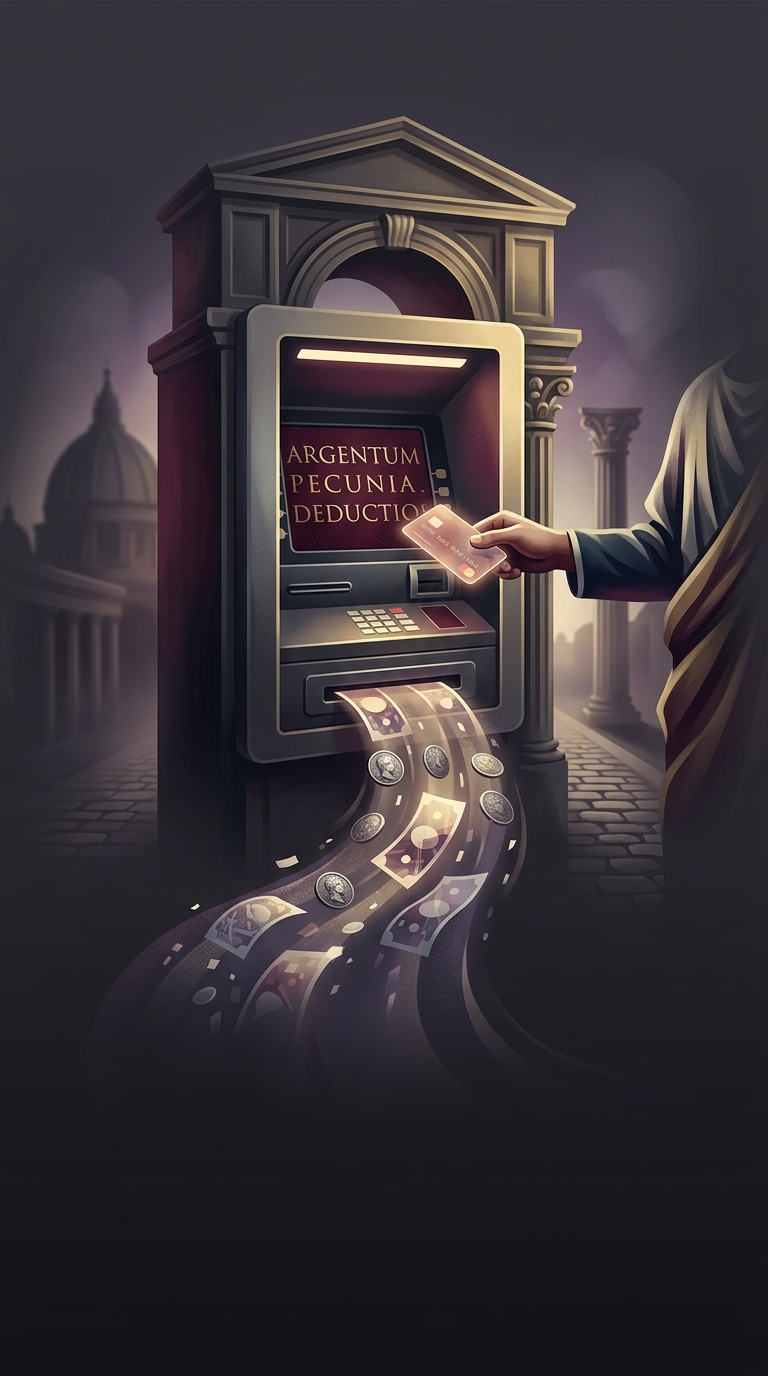
At an automated teller machine in Vatican City, Latin is one of the language options for carrying out a transaction. Choosing it changes the words on the screen—not the banking process underneath. The machine still asks the user to make the same selections and enter the same information; only the instructions and menu labels appear in Latin.
That distinction makes the feature more than a decorative greeting. A language setting has to cover practical prompts, from choosing a transaction to confirming what the machine is about to do. Latin is rarely used for everyday conversation, so a customer selecting it may recognize familiar words from study or church settings while encountering financial terms in a more unusual context.
A living use for a classical language
Latin has no large community of native speakers, but it remains visible in the Catholic Church’s formal life and in the institutions of the Vatican. An ATM menu gives it a distinctly modern job: helping users navigate a routine financial service. It does not mean that cash machines or banking are conducted in Latin generally; it is an option on a particular machine.
The striking contrast is practical as well as symbolic. A four-digit PIN is entered through the same keypad whatever language is selected, while the screen can present the surrounding transaction in a language associated with texts centuries old. The result brings an ancient language into an unmistakably contemporary moment: standing at an ATM and deciding what to do with your money.