Summer Heat Can Make the Tower Slightly Taller
The Eiffel Tower is built from iron, which expands when it warms. In summer, sunlight heats the metal and makes the structure grow a little taller—often described as a change of roughly 15 centimeters from cooler conditions. As it cools, it contracts again.
That change is real, but it is tiny compared with the tower’s height. It is not a dramatic seasonal transformation; rather, it gives a returning visitor a genuine physical difference to point to.
Sunlight Can Shift Its Outline, Too
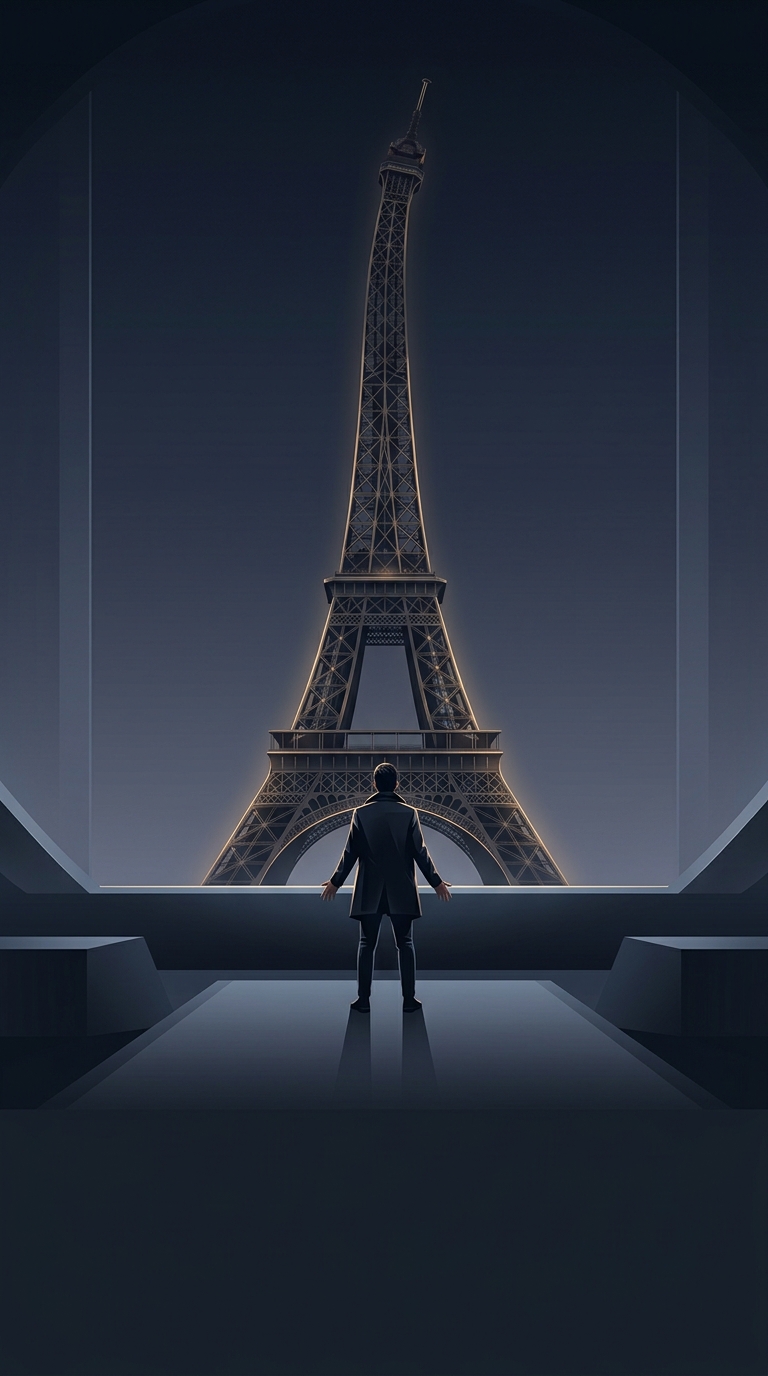
The metal does not warm evenly. The side facing the sun heats more than the shaded side, so it expands more. That uneven expansion can make the tower lean slightly away from the sun, shifting the tip’s position as the day progresses. The tower remains stable, but its outline is not perfectly fixed in place.
From the ground, a person judges height against nearby buildings, streets, and the apparent position of the top. A small change in the tower’s dimensions or tilt can add to the impression that its silhouette has changed—especially when the visit is separated from the last by months or years.
So the summer impression has a modest engineering basis: the iron responds to heat, and sunlight can nudge the tower’s shape. The Eiffel Tower is not suddenly transformed, but it does subtly change with the weather.