Why standing still can drain your energy
When you rise, gravity pulls blood toward your abdomen and legs. Your body normally counters this within seconds: blood vessels tighten, and the heart adjusts its rate so enough blood keeps reaching the brain. After some viral illnesses, that automatic response can falter. The resulting problem may be dysautonomia, a disruption in the nervous system’s regulation of involuntary functions such as heart rate and blood pressure.
The hidden work of staying upright
If vessels do not tighten effectively, or the circulation otherwise fails to compensate, less blood returns to the heart with each beat. The heart may speed up to help maintain blood flow. That extra effort can bring a pounding heartbeat, lightheadedness, weakness, or nausea. Even without walking, the body is working harder to keep circulation steady; standing in one place can therefore feel surprisingly strenuous.
This is not simply ordinary tiredness. Symptoms are tied to posture: they may worsen while upright and ease when lying down, which lets blood redistribute without the same gravitational challenge. The exact pattern varies, and not everyone who feels weak after an infection has dysautonomia.
Why recovery can take more than rest
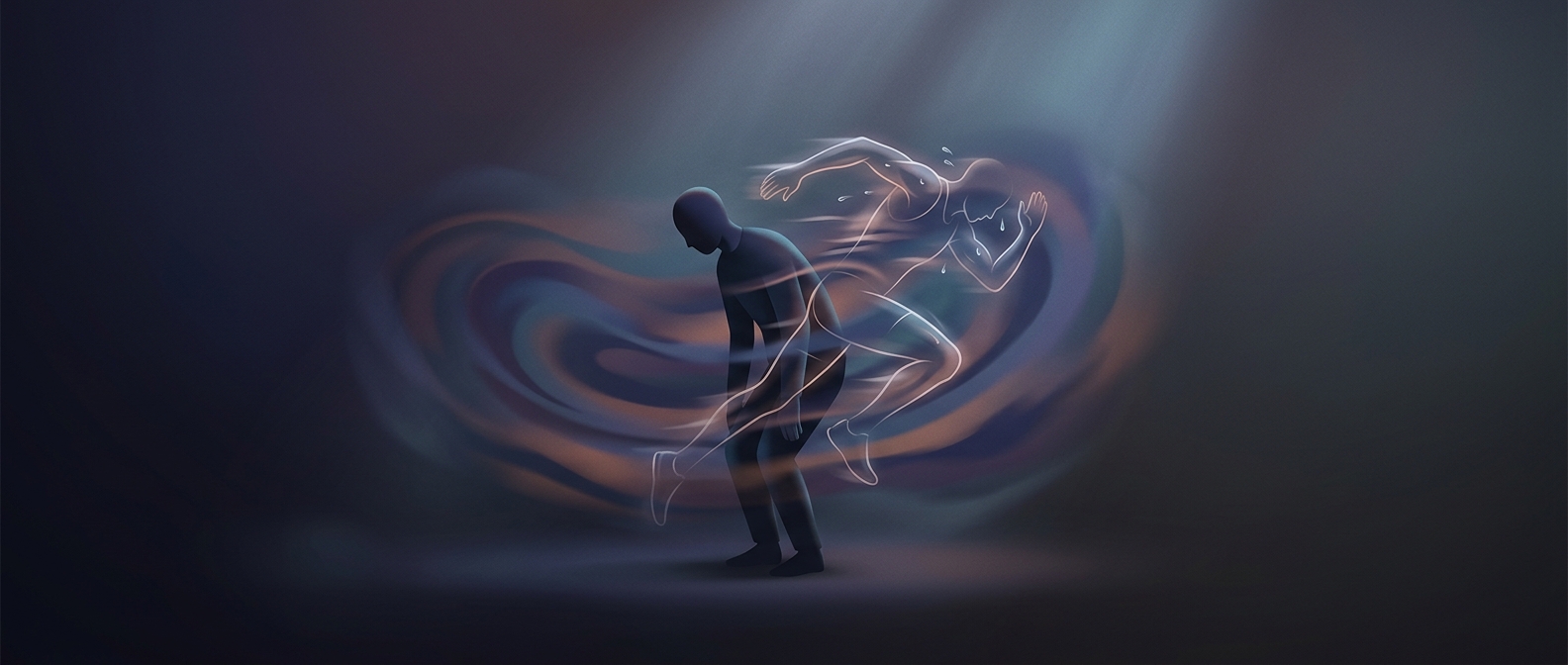
A viral illness can precede problems with the body’s automatic regulation, but the precise pathways are not always clear. The practical consequence is that everyday tasks—showering, cooking, or waiting in line—can impose a real physical load. Someone may appear to be doing very little while their cardiovascular system is straining to adapt to gravity.
That mismatch helps explain why getting upright can feel like an endurance event: the effort is happening inside the circulation, not in the distance traveled.