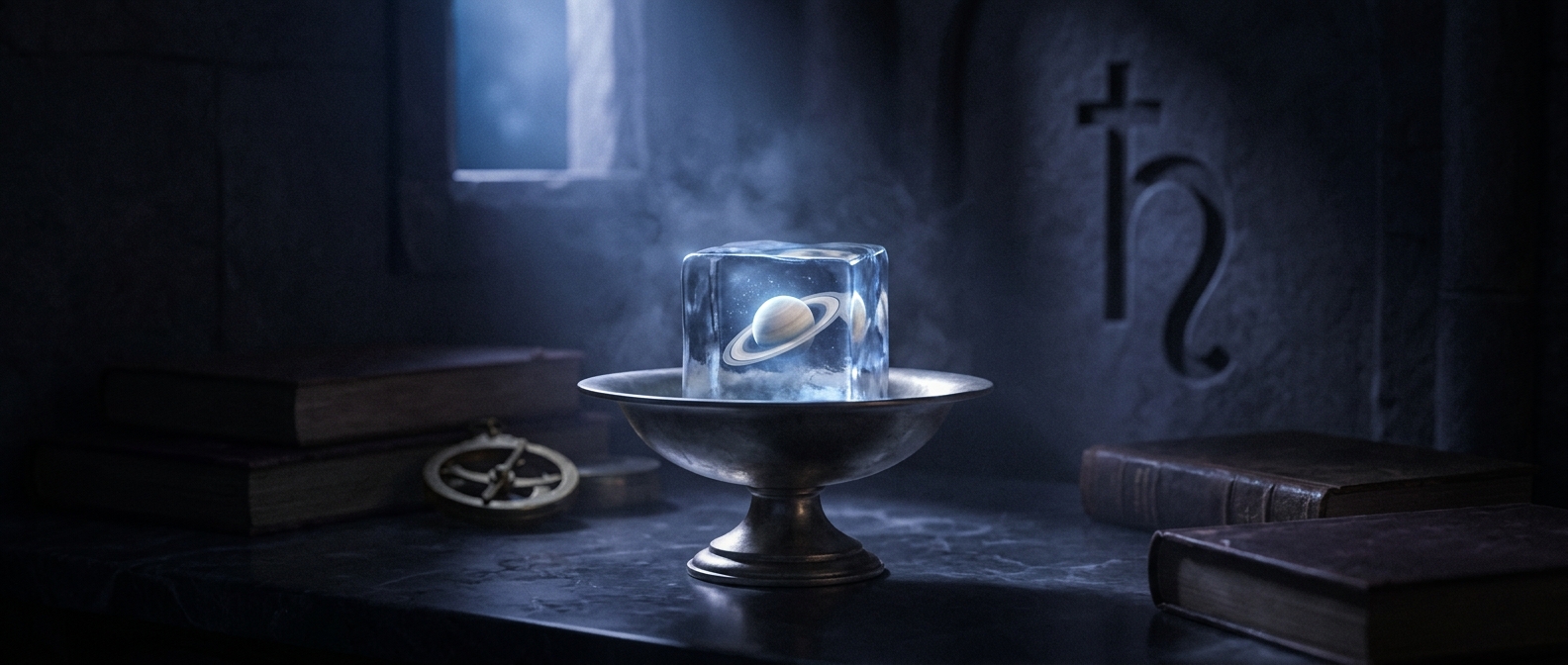
Why astrologers call these houses “cadent”
A stellium is a cluster of three or more planets or other chart placements in one area of a birth chart. The third, sixth, ninth, and twelfth houses are called cadent: in traditional astrology, they follow the angular houses, which are associated with more direct, visible action. Cadent houses are instead linked with processes of learning, adjusting, and making sense of experience.
The specific house gives that inward emphasis a different subject. The third is associated with communication and everyday learning; the sixth with work, habits, and service; the ninth with broader ideas and belief; and the twelfth with solitude and what is less readily seen or understood.
“Trapped in your own mind” is a metaphor
Astrologers may read a cadent stellium as a strong tendency to think things through, gather information, revise plans, or adapt to circumstances before making a move. A person with the cluster in the sixth house, for example, might be described in astrological terms as preoccupied with organizing daily responsibilities; in the ninth, with testing ideas or seeking a larger framework.
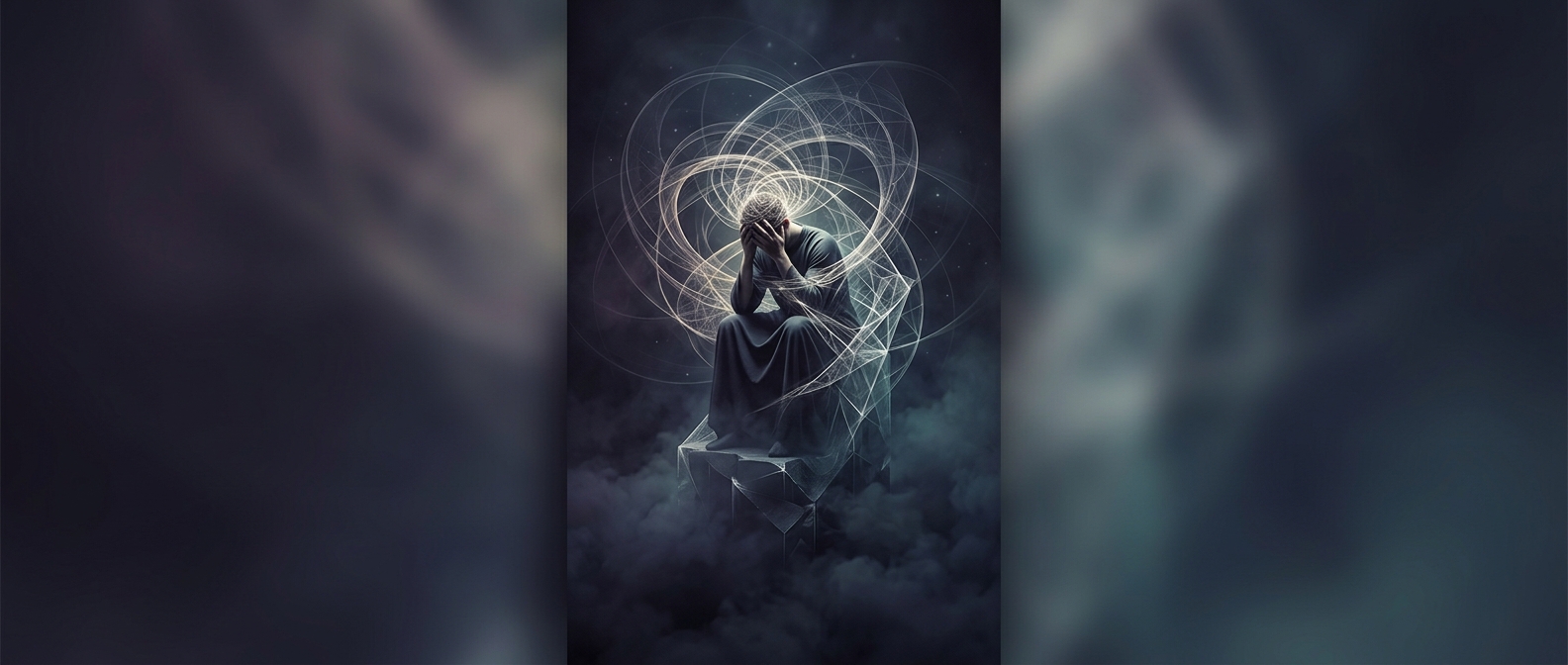
That is an interpretive reading, not a diagnosis or a literal prediction of inaction. The phrase “trapped in your own mind” captures a possible downside of concentrated mental energy: reflection can become rumination, and preparation can keep postponing action. In this framework, the useful question is not whether the chart prevents someone from acting, but where repeated thinking might need a practical outlet.