A name built for a space-age toy
Early in Toy Story’s development, Pixar called its space-ranger character Lunar Larry. The eventual name, Buzz Lightyear, kept the lunar-and-space association but gave the character a sharper identity. “Buzz” was a nod to astronaut Buzz Aldrin, one of the first people to walk on the Moon. “Light-year” supplies a grand, cosmic-sounding surname: a light-year is the distance light travels in a year, not a measure of time.
Why the change mattered
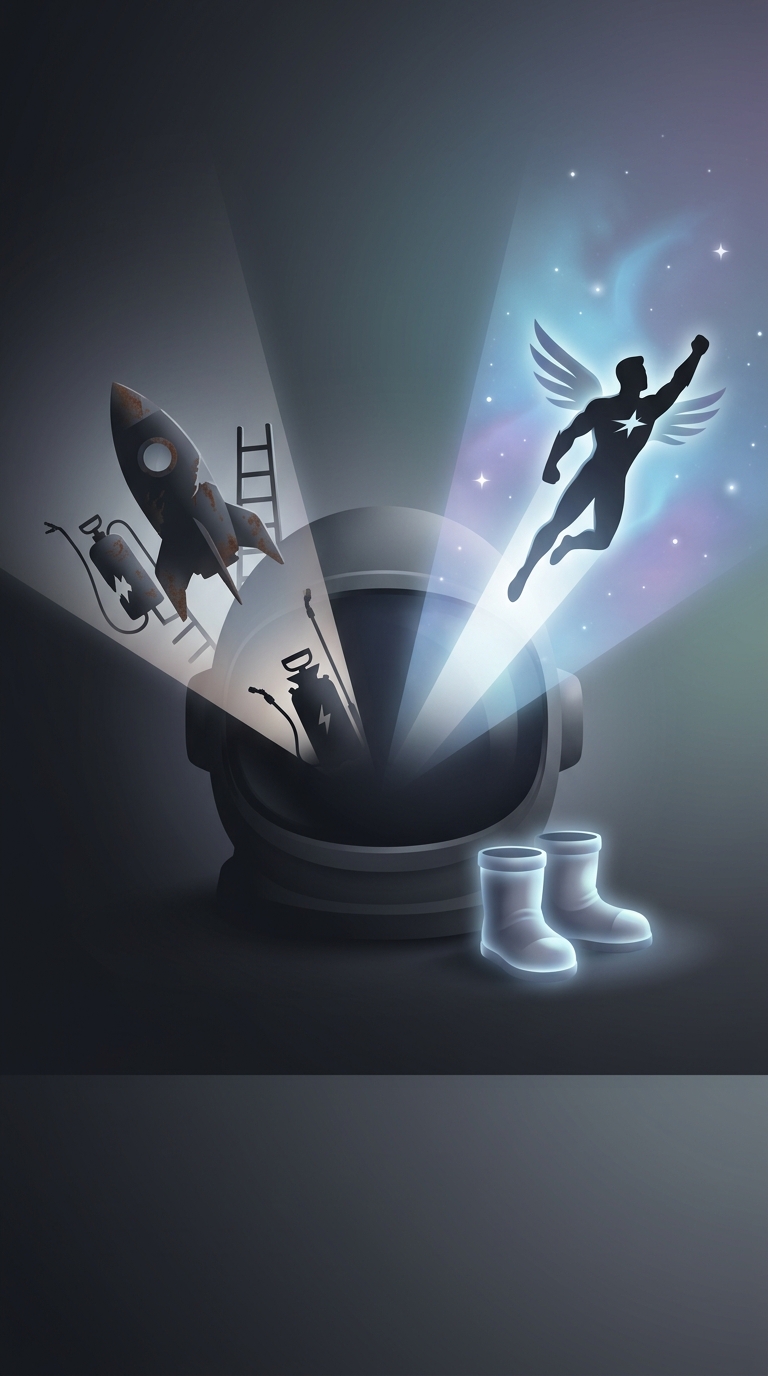
Buzz had to work in two ways at once: as a convincing action hero to himself and as a plastic toy in Andy’s room. His name helps sell the space-explorer fantasy, while its bold, futuristic sound sets him apart from Woody, whose name and cowboy outfit belong to a familiar Western world. That contrast is central to the film’s setup: two toys with competing ideas about what makes them special must learn to share a child’s attention.
The name also lets the film play with the gap between Buzz’s heroic self-image and his ordinary toy status. He thinks he is a space ranger; Woody and the audience can see the toy features he cannot. A name that sounds ready for an interstellar mission makes that mismatch especially funny—and helps turn a once-working title into the identity of a character who could anchor stories far beyond Andy’s bedroom.