Why Movie Phone Screens Are Often Added Later
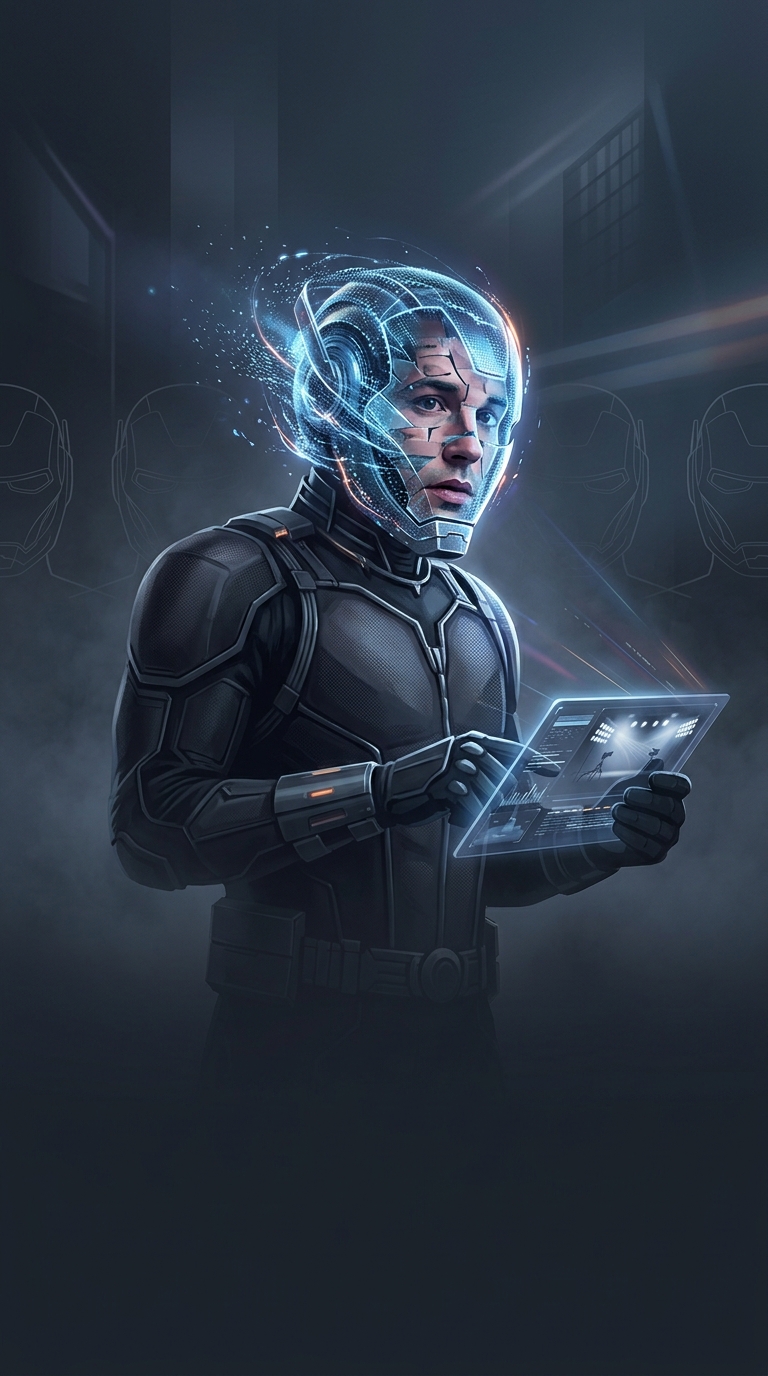
A phone may look like the most ordinary prop in a superhero film, but what appears on its screen is often created digitally. Filmmakers can shoot the actor holding a phone with a blank, dim, or tracking-marked display, then add the messages, map, or app interface during visual-effects work.
That lets the production decide later exactly what the audience should see. A message can be made readable in a quick shot, updated to match a changed line, or adjusted so it stays aligned as the phone tilts and moves. The same process can put a screen image onto a laptop or control panel.
A Small Detail With a Big Production Advantage
A real screen can flicker on camera, reflect lights or crew members, and display content that is too bright or too small to read. Filming it blank avoids those problems and gives the editors control over the image. Effects artists track the screen’s movement and perspective, then composite the graphic into the shot—meaning they layer it over the filmed image so it appears to belong there.
The result is a tiny digital effect with an unusually practical purpose: the actor can perform naturally with a real device, while the production keeps control of every pixel the audience sees. In a film crowded with spectacular computer-generated action, even an everyday text message may be a visual effect.