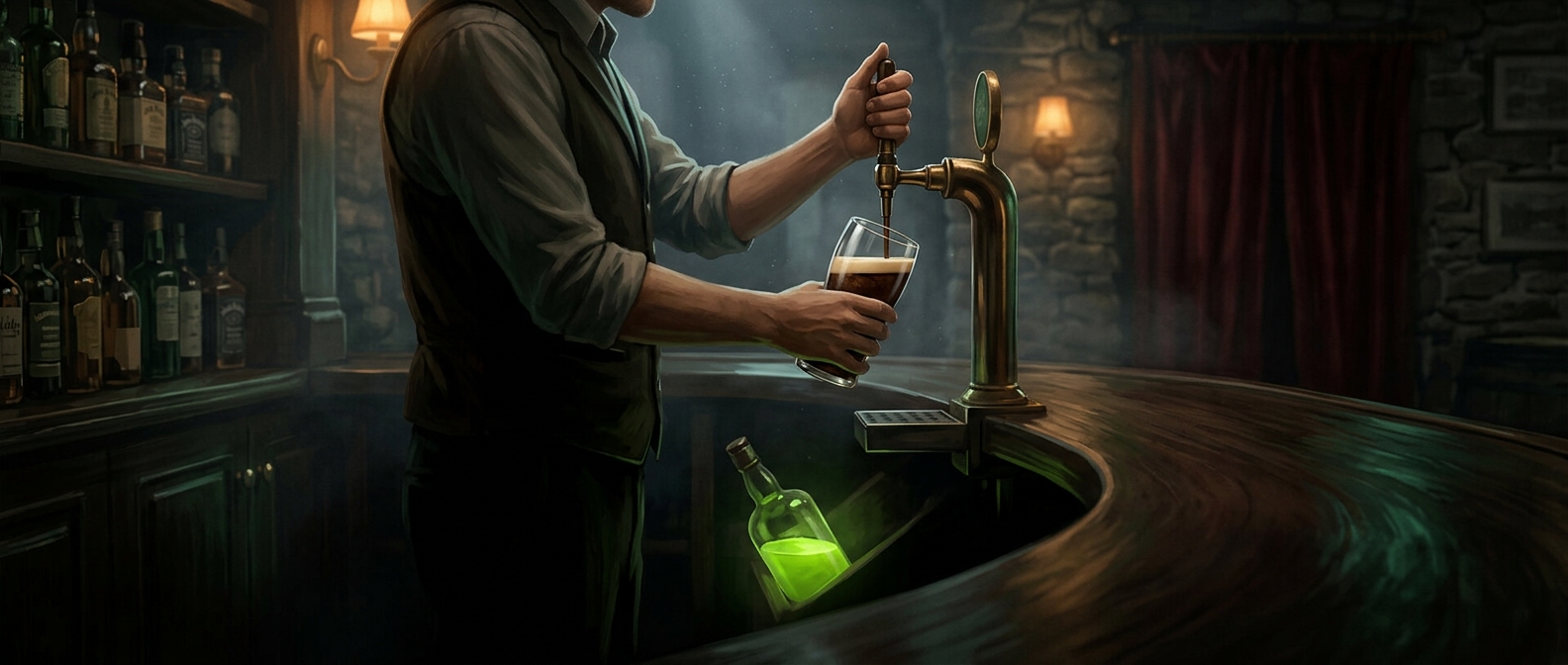
Why a St. Patrick’s Day pint often stays dark
Green beer is chiefly a festive visual trick: food coloring tints a pale lager so it looks different for the holiday. In Ireland, that custom is much less central to pub life than it is in parts of the United States, where green drinks became a conspicuous way to mark the day. A pub that skips the dye is not necessarily making a statement against celebration; it may simply be serving the beer its customers came in expecting.
The pint is part of the pub’s identity
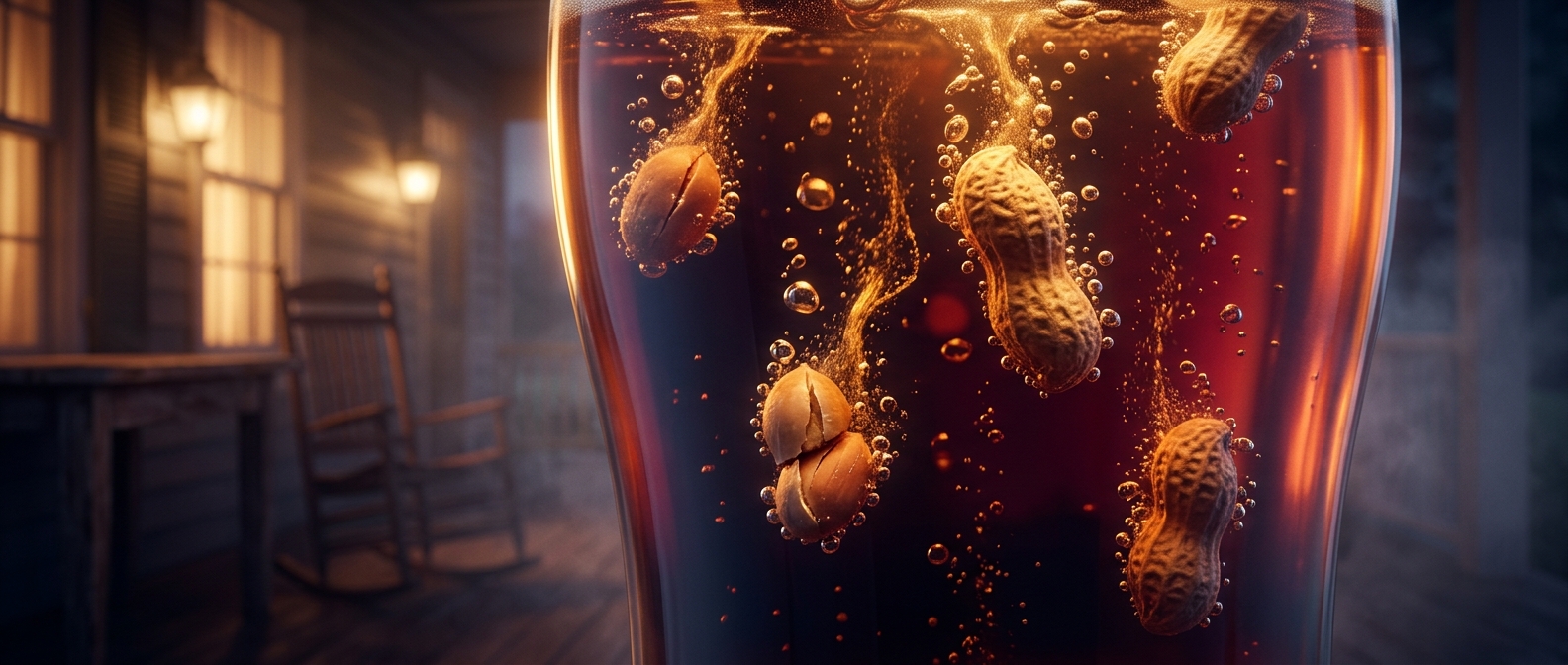
For a pub known for stout, the dark pour is the point. Stout gets its deep color from roasted grains, which also contribute toasted, coffee-like flavors. Coloring it green would obscure the appearance people associate with the drink, without changing what is in the glass in any meaningful culinary way.
That choice also reflects a difference in emphasis: some celebrations make the holiday visible through decorations and novelty drinks, while many traditional pubs keep the focus on familiar beer, conversation, and the ordinary rhythm of the room. Practices vary from pub to pub, so green beer is not unheard of in Ireland. But when the stout arrives black, its color is more than a seasonal costume—it is part of what makes that pint recognizable.