Why Ireland’s post-Ice Age wildlife stayed cut off
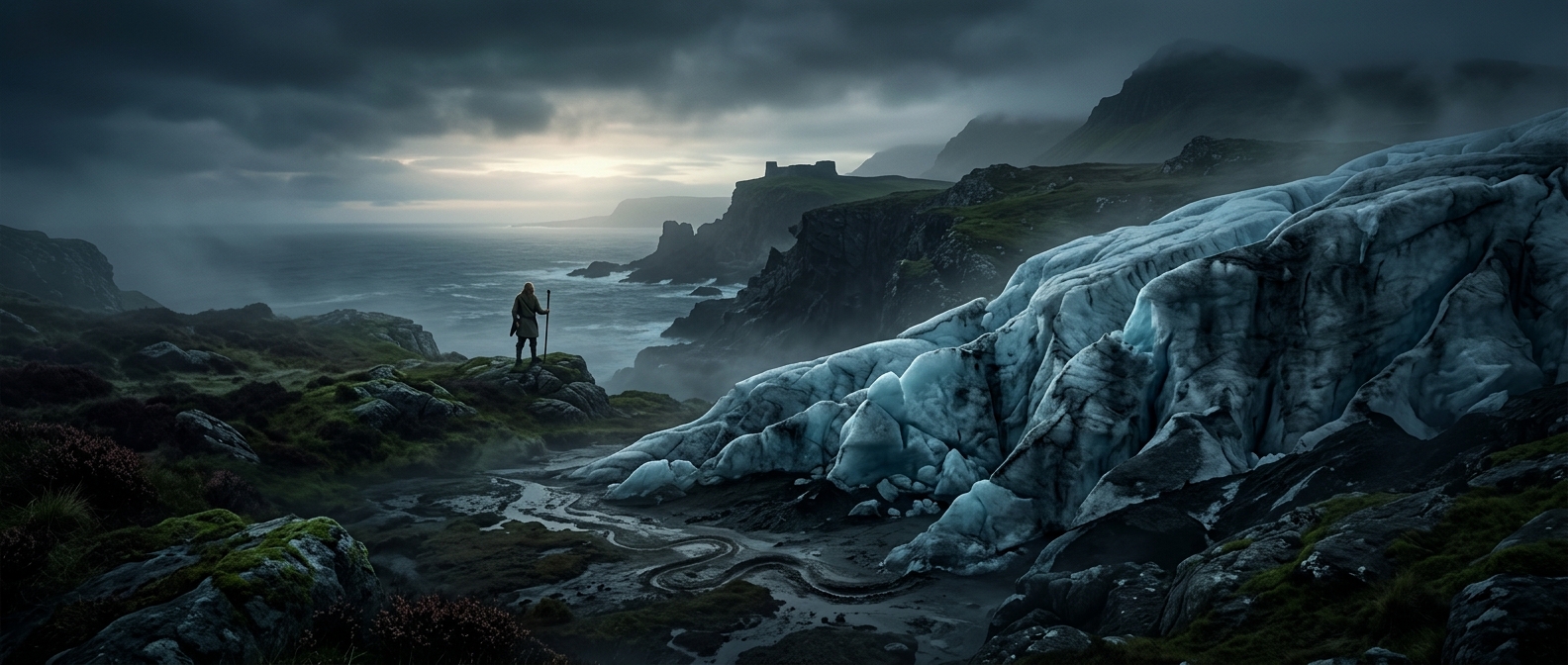
During the last Ice Age, thick glaciers covered much of Ireland and northern Europe. The cold, recently glaciated landscape offered snakes little suitable habitat. As the climate warmed, snakes could spread into parts of Britain from continental Europe—but Ireland’s route was closing: rising seas flooded the low ground that had once linked the islands.
A narrow sea became a lasting barrier
Snakes do not migrate across open water the way flying animals do. Once Ireland was separated from Britain, a snake population on the mainland could not simply expand westward over land. Ireland’s isolation therefore mattered as much as the earlier cold: suitable conditions returned, but the natural land route did not.
That history helps explain why Ireland has no native snake species, even though snakes live in Britain. “Native” means a species arrived and established itself without people introducing it. Snakes kept as pets or found in captivity do not change that distinction. The result is a visible reminder that a relatively small stretch of sea can shape an island’s wildlife for thousands of years.