Why Feeding the Flock Became a Preservation Problem
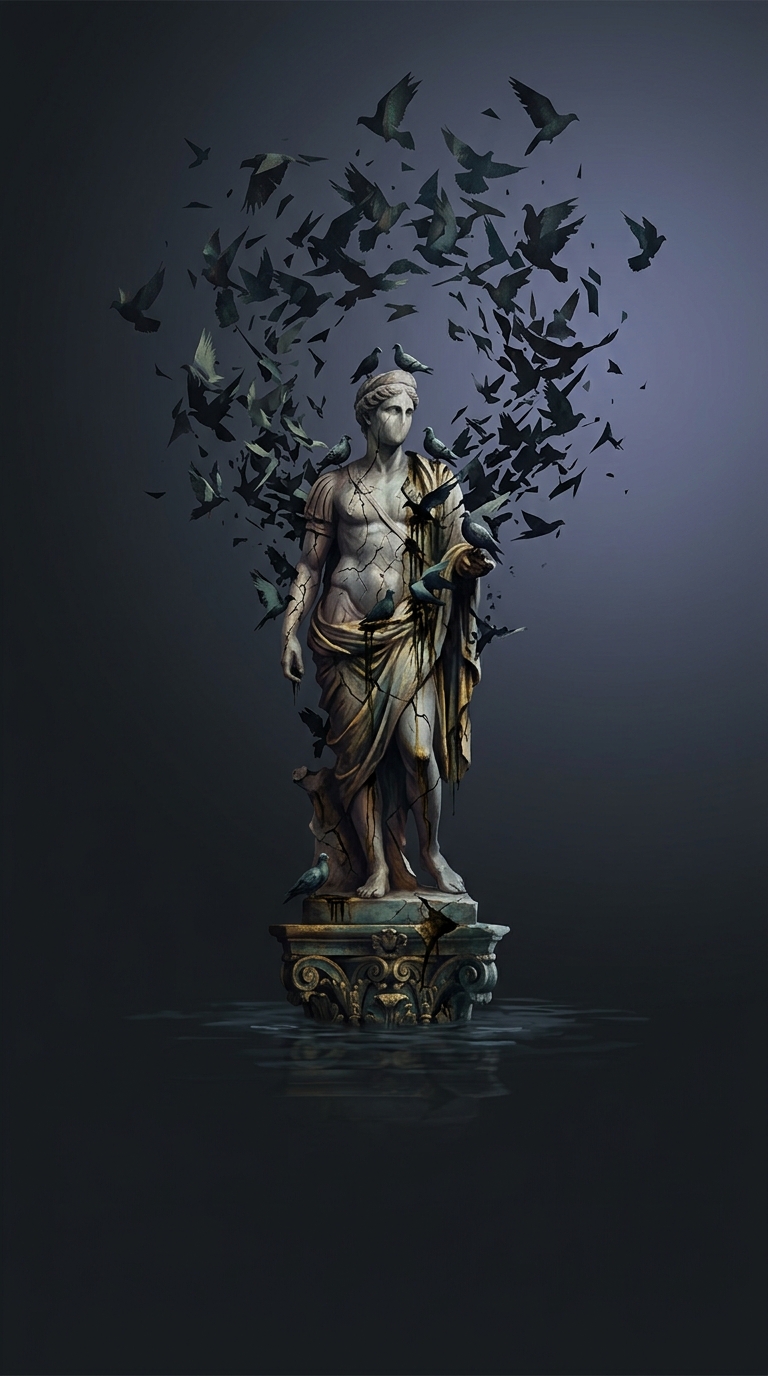
A crumb tossed into St. Mark’s Square does more than feed one pigeon. It draws birds together around a predictable food source, encouraging them to linger where visitors gather and historic stonework is exposed. When many pigeons repeatedly roost on the same buildings and statues, their droppings accumulate on the surfaces people come to see.
Droppings can harm stone as they build up: moisture and corrosive compounds penetrate the surface, while repeated cleaning can also wear delicate details. On marble façades and carved sculptures, even gradual damage matters because lost surface detail is difficult to restore.
A Small Act, Multiplied Across the Square
The feeding ban addresses the behavior that helps concentrate the birds in the busiest, most vulnerable place. Its practical consequence is a tradeoff familiar in heavily visited historic sites: a custom that feels harmless to an individual visitor can create a maintenance burden when thousands of people repeat it.
Without bread scattered across the square, pigeons have less reason to crowd around tourists and monuments. The rule is therefore not simply about keeping birds away; it is an attempt to protect the stonework from the cumulative effects of a flock encouraged to stay.