Wildlife Does Not Run on a Visitor Schedule
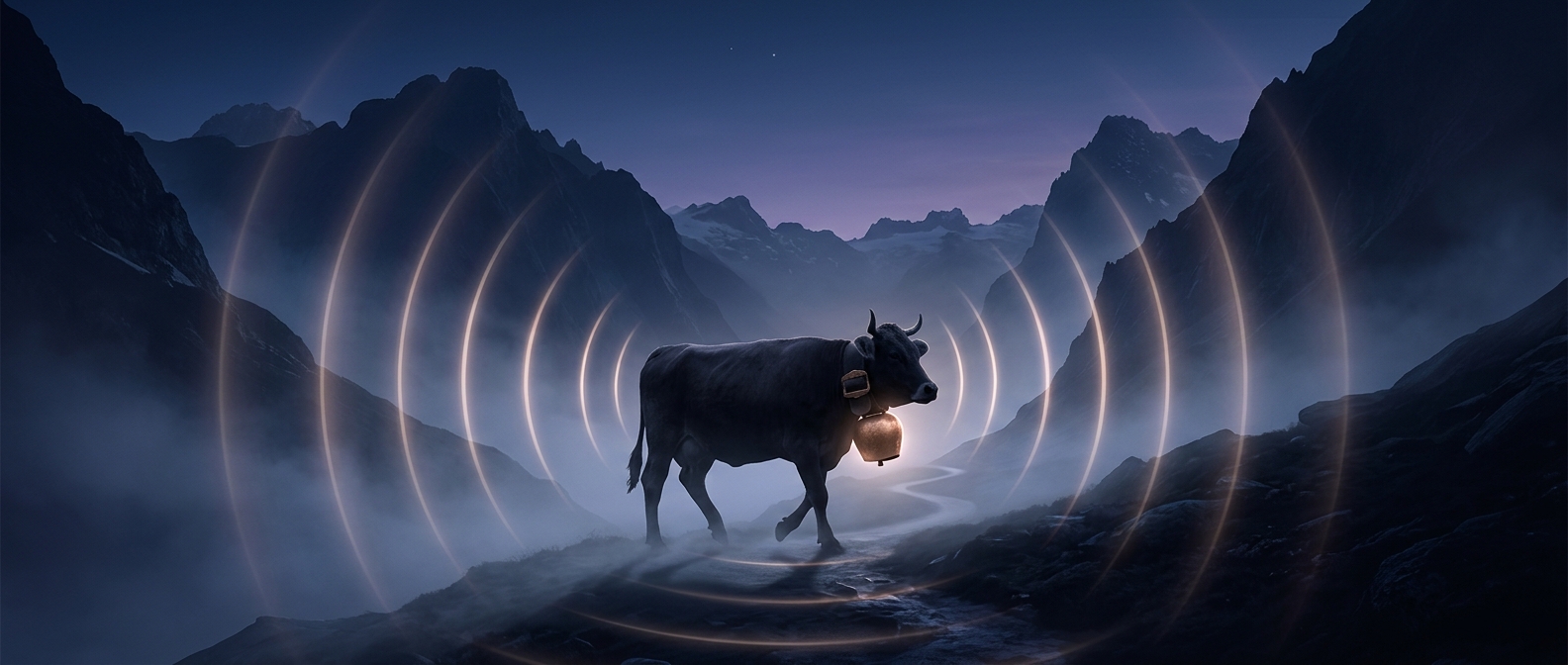
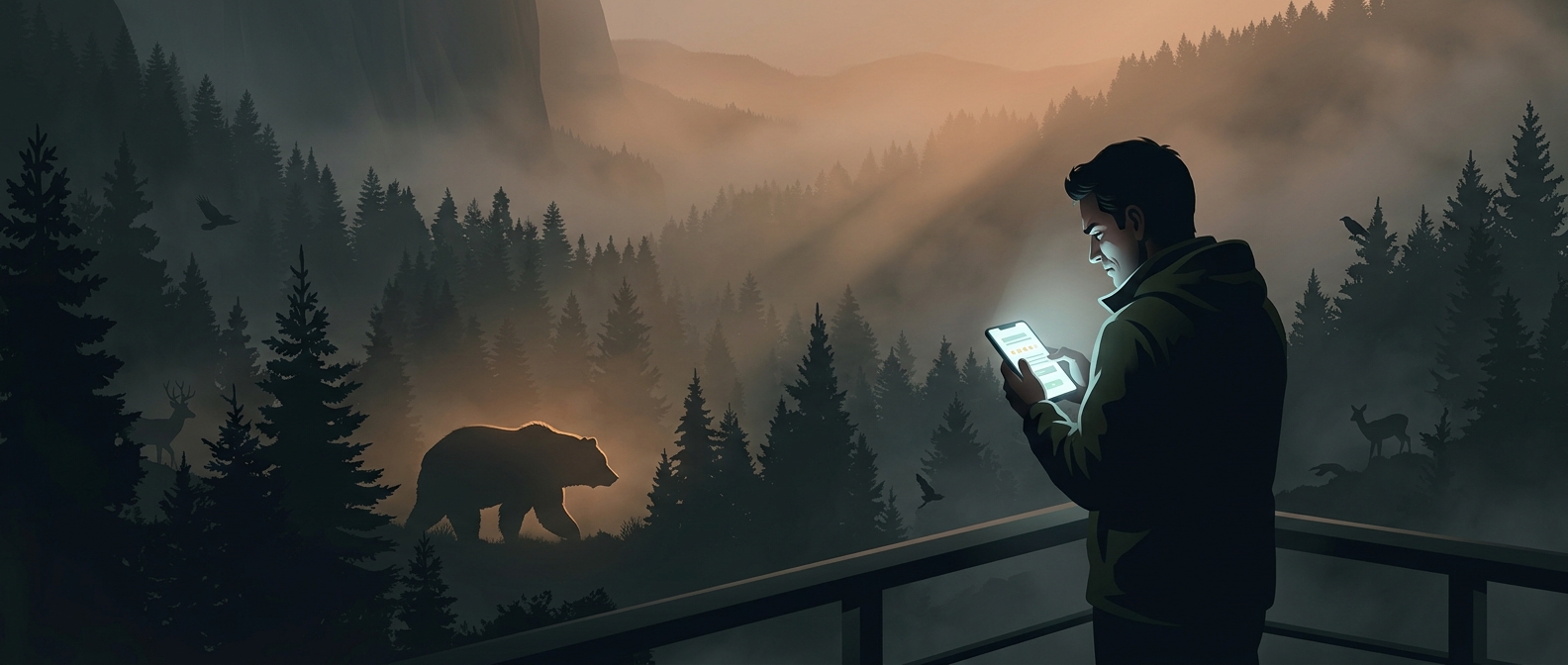
A national park is not a wildlife show with animals waiting at marked spots. Animals move to find food, water, shelter, and mates, and their routines shift with weather, season, and disturbance. A bear may stay out of sight because it is resting or avoiding people; deer may simply keep feeding rather than react to a shout. Even a place known for frequent sightings offers chances, not appointments.
That unpredictability is part of what visitors are entering: a living habitat whose inhabitants have their own priorities. The same conditions that make a park attractive to travelers—open landscapes and visible animals—do not make those animals tame or obligated to approach.
Why Trying to Get a Reaction Can Backfire
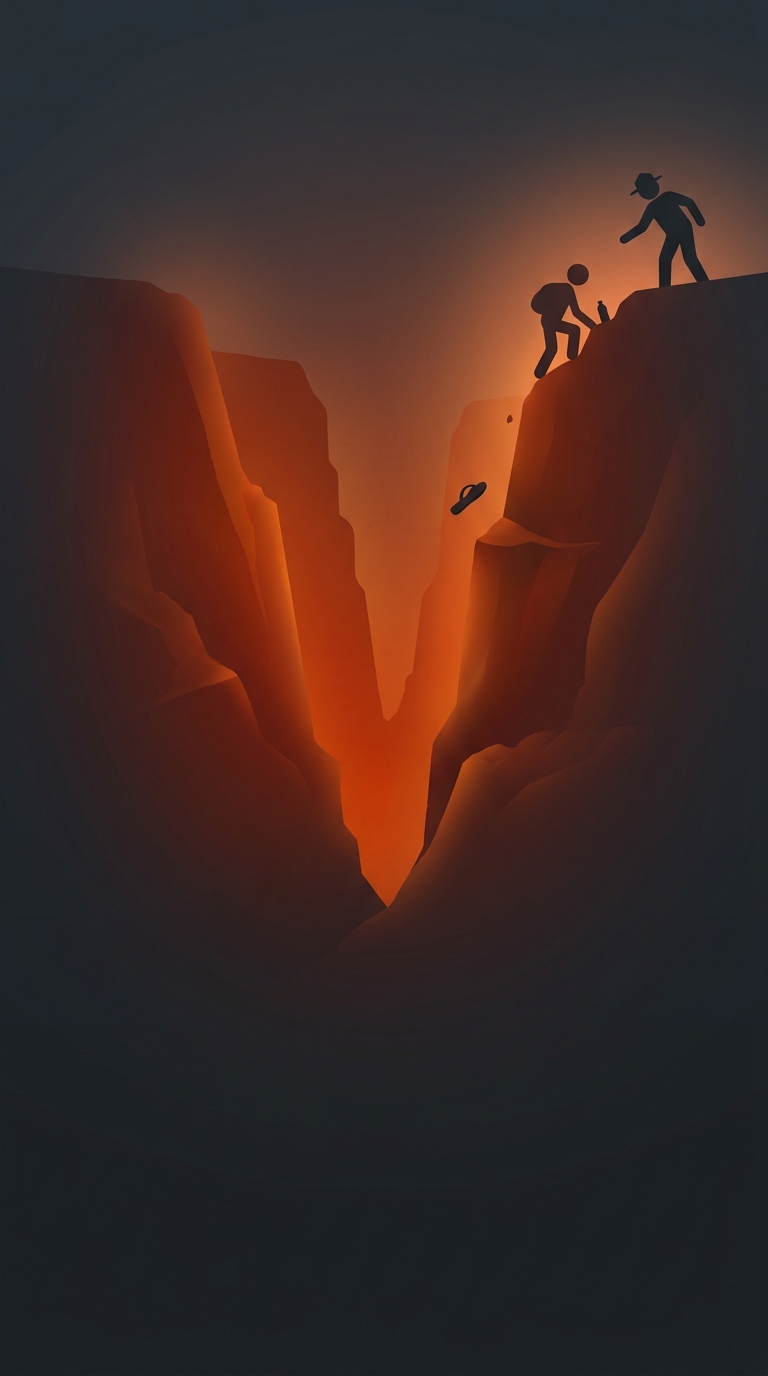
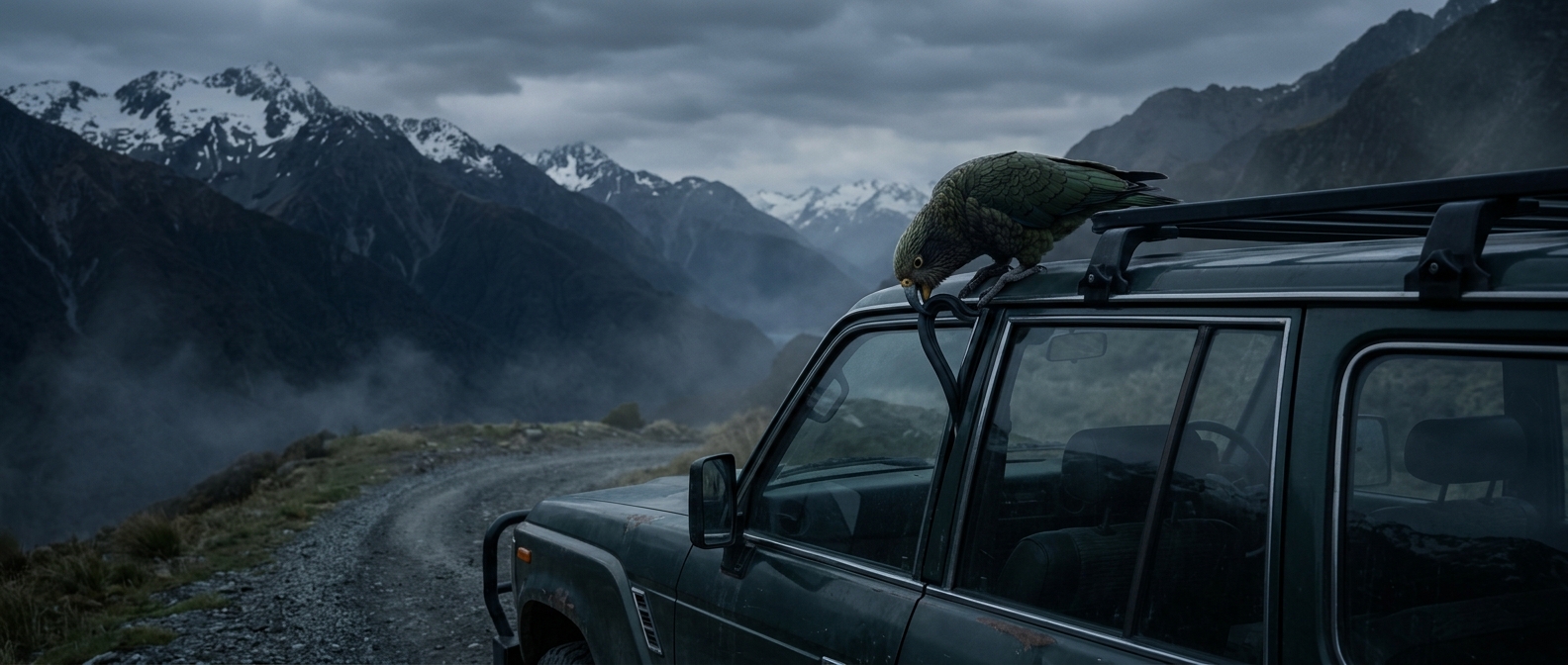
Calling, approaching, or feeding an animal can change its behavior. If wildlife repeatedly associates people with food, it may begin seeking out visitors, bringing animals and humans into closer contact. That can be dangerous for both, and an animal that becomes a persistent safety problem may have to be managed or moved. Even without food, pressure from people can interrupt feeding or push animals away from useful habitat.
Keeping distance and watching quietly gives an animal more room to behave naturally—and often gives visitors a better chance of seeing something genuine. Binoculars can make a distant sighting rewarding without turning it into a confrontation.
The Experience Is the Encounter, Not the Performance
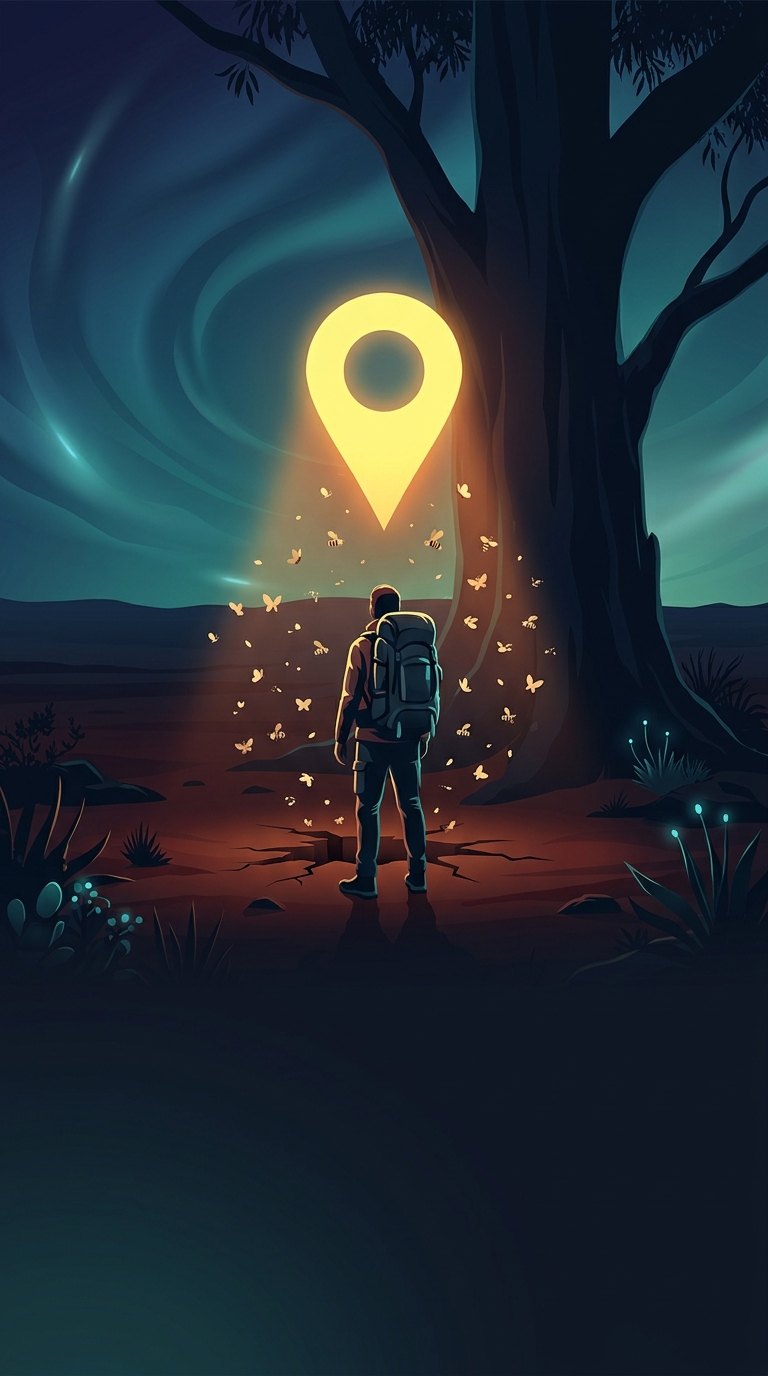
A fleeting glimpse, tracks in the mud, or a herd grazing far across a valley may be all a day’s wildlife viewing produces. Those signs can still reveal how animals use a place; they just do not guarantee a dramatic close-up. In a park, the most memorable sighting may be the one visitors allow to remain entirely on the animal’s terms.