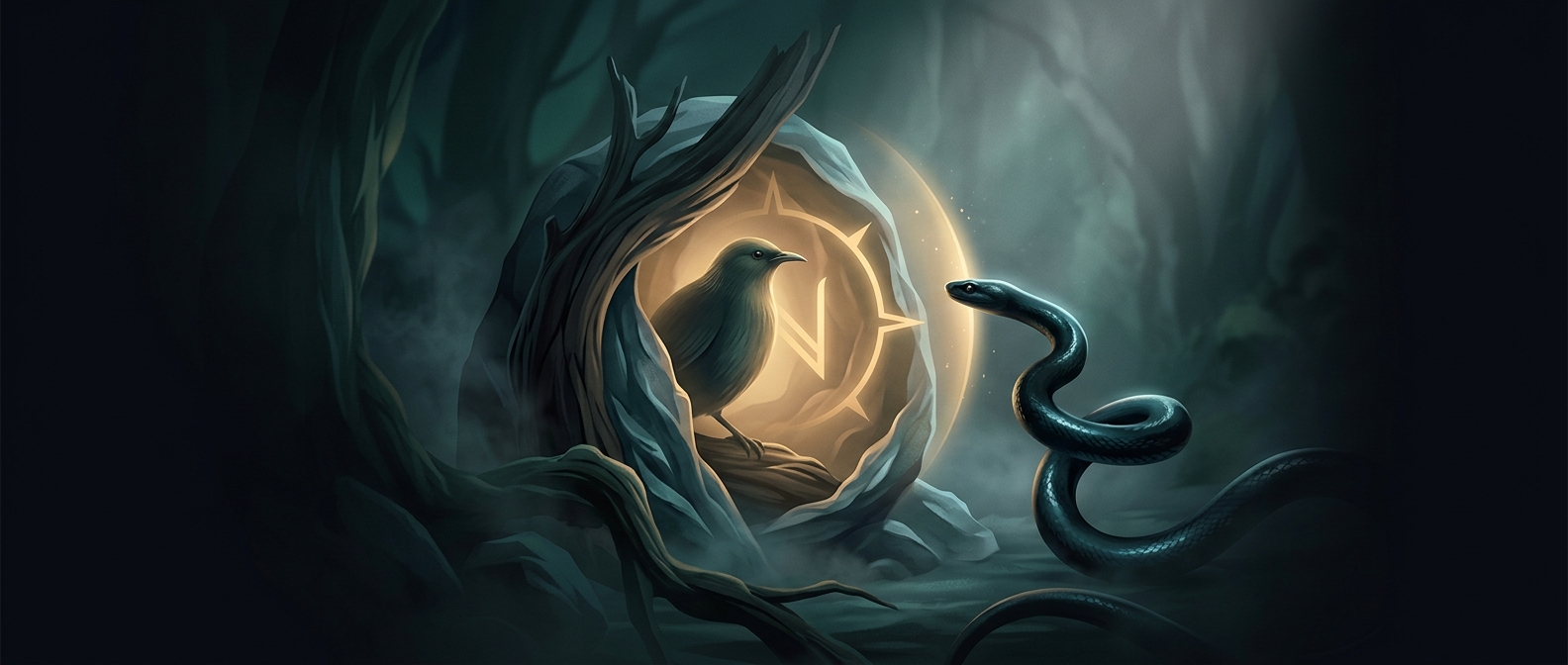
Why a single pet snake can matter in New Zealand
New Zealand’s isolation has left it with an unusual set of native animals—and a wildlife system with few defenses against newly introduced predators. Many native birds evolved without land snakes or land mammals hunting them. Some nest on the ground, and their eggs and chicks can be especially vulnerable to predators they have never had to evade.
A released pet would not automatically become an invasive population. But if escaped animals survived and bred, they could prey on wildlife or compete with native species. The risk is hard to reverse: once a predator spreads through suitable habitat, finding and removing every individual can be difficult.
Prevention starts at the border
New Zealand’s biosecurity system aims to stop risky organisms from arriving in the first place. That means snakes are not treated as ordinary pets that can simply be brought in and registered. Keeping them out avoids the possibility of escapes, deliberate releases, or later attempts to establish a population.
The policy reflects a broader island problem: a species that is harmless or manageable in one place can have very different effects in an ecosystem that developed without it. For New Zealand, preventing a snake population is far easier than trying to remove one after it has taken hold.