How an efficiency upgrade turns the bakery uncanny
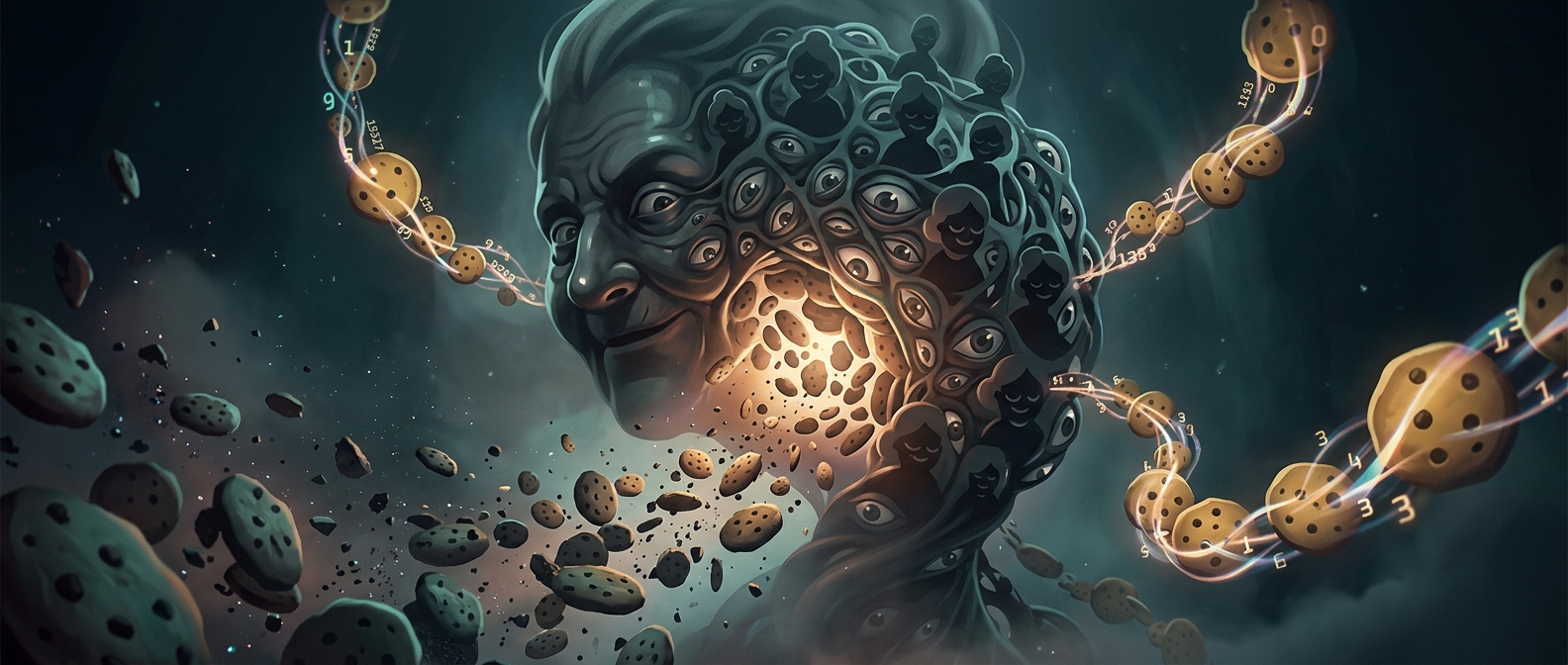
In Cookie Clicker, the Grandmapocalypse starts with a research purchase called “One mind.” The name sounds like a tidy productivity breakthrough: the grandmas are no longer merely baking in parallel but acting together. That shift gives the game’s familiar upgrade loop a darker edge. The player has not stumbled into a horror plot by accident; they have chosen the research that makes the bakery’s workforce feel increasingly alien.
The joke is built into the progression
The game first trains players to treat upgrades as straightforward gains. More production means faster progress, so the natural impulse is to buy the next available improvement. The Grandmapocalypse uses that habit against them: research continues to intensify the event, and each step makes the cheerful cookie operation feel more like a collective organism taking over.
That contrast is the punchline. The grandmas are still part of the same production system the player has been optimizing, but the language of coordination turns efficiency into something unsettling. The player’s ambition supplies the plot’s cause—and its complicity.
Wrinklers make the horror affect the numbers
The transformation is not only cosmetic. During the Grandmapocalypse, wrinklers interfere with cookie production by attaching to the cookie-generating process and drawing cookies away from the amount being produced. They make the event a practical tradeoff as well as a mood change: the player can pursue the escalating research while accepting a disruption to immediate output.
That is what makes the gag stick. The game’s horror story grows out of the same decision that usually feels safest in an idle game: spending resources to make production more efficient. The grandmas become disturbing because the player asked them to become better at working together.